
Naturhaus Magazin

Schlagwort: Bodenfruchtbarkeit

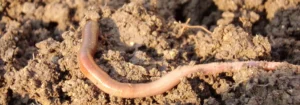
Soil fertility Soil fertility plays a decisive role in sustainable agriculture and the production of healthy food. A fertile soil contains sufficient nutrients, has good water-holding capacity and a vibrant population of microorganisms. Here are some key aspects of soil fertility: Soil composition Soil composition includes components such as sand, silt, clay, organic matter and soil organisms. A balanced proportion of these components is important for soil structure and fertility. Soil organisms Soil organisms such as bacteria, fungi, worms and insects play an important role in the decomposition of organic matter and the release of nutrients. They improve soil structure and promote plant growth. Nutrient content A fertile soil contains sufficient quantities of essential nutrients such as nitrogen, phosphorus, potassium and trace elements. These nutrients are indispensable for plant growth and development. Soil moisture The ability of the soil to retain water and to release it evenly to plants is critical. A well-moistened soil supports plant growth and prevents drought stress. Soil management To maintain soil fertility in the long term, careful soil management is required. Measures include the application of organic fertilizers, crop rotation, tillage techniques and erosion control measures. Preserving soil fertility is of great importance to enable sustainable agriculture and to conserve resources for future generations.