
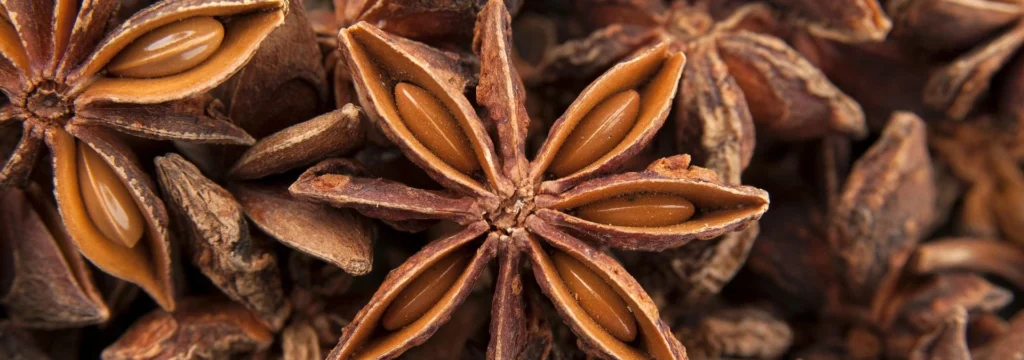
Anise, also known as Pimpinella anisum, is a traditional medicinal and spice plant appreciated worldwide for its characteristic, slightly sweet flavor. Originally from the eastern Mediterranean region, anise has established a firm place in the kitchen, in medicine and in cosmetics. With its unmistakable aroma and numerous beneficial properties, anise is a true all-rounder. In this article you will learn everything about its origin, health benefits and versatile uses..
What is Anise?
The plant belongs to the Apiaceae family and is closely related to plants such as dill, fennel and caraway. The plant reaches a height of up to 60 cm and produces small white flowers from which the characteristic anise seeds later develop. These seeds contain the essential oil anethole, which is responsible for the typical licorice-like taste.
History
It is one of the oldest known spice plants and was used over 3,000 years ago in Egypt and ancient Greece. The Romans spread the spice throughout Europe, where it was especially valued in medicine. In the Middle Ages it was a sought-after trade good and was used as an ingredient for remedies, perfumes and culinary creations.
Nutrients and Benefits of Anise
Anise is not only a flavorful spice but is also rich in nutrients and health-relevant constituents:
1. Essential oils
Anise contains up to 90% anethole, which has antibacterial, anti-inflammatory and expectorant properties. It is frequently used in natural medicine to alleviate colds and digestive problems.
2. Digestive support
It is known for its digestive-supporting properties. It can help with flatulence, a feeling of fullness and stomach cramps.
3. Respiratory conditions
The expectorant effect of anise oil makes it a popular remedy for coughs and colds. It soothes the airways and promotes mucus clearance
4. Antioxidant effects
The antioxidant compounds in anise can support overall health.
Culinary uses
Anise is valued in many cuisines worldwide and is used in sweet and savory dishes. Here are some common applications:
1. Baked goods
In Germany it is a classic ingredient in Christmas pastries such as anise biscuits or Springerle. Its sweet aroma gives baked goods a distinctive note.
2. Beverages
Anise is used in liqueurs such as Ouzo, Pastis or Sambuca. It also provides a spicy, pleasant aroma in teas.
3. Spice blends
Anise is an ingredient in many spice blends, particularly in Indian, Arab and Chinese cuisine. It pairs excellently with meats, curries and stews.
4. Jams and preserves
A pinch of anise gives fruit jams a distinctive spice.
Recipe idea: Anise tea
Anise tea is a popular drink that is especially soothing for colds. Pour 1–2 teaspoons of anise seeds with hot water, then let the tea steep for 10 minutes. Sweeten afterward to taste with honey.
Anise in naturopathy
The plant has a long tradition in natural medicine. Here are some common applications:
1. Relieving cold symptoms
Use anise oil for inhalations. This helps clear the airways. It can alleviate cough.
2. Treating digestive issues
Use anise tea or anise drops. This can help with stomach complaints and support healthy digestion.
3. Calming and relaxation
Anise has a calming effect and can help in stressful situations or with sleep problems.
4. Baby care
Anise is used in some cultures to relieve colic in infants, for example in the form of a mild tea.
Anise in cosmetics
Thanks to its antibacterial and antioxidant properties, anise is also used in cosmetics:
- Skincare: Anise oil is used in creams and lotions to soothe the skin and combat minor blemishes.
- Perfumes: The sweet, spicy scent of anise oil is valued in many perfumes and fragrance blends.
- Hair care: Use anise oil to strengthen the scalp and hair.
- Toothpaste: Anise oil is also often used in toothpaste – for example in the Apeiron Auromère herbal toothpaste, which provides fresh breath.
Sustainability and cultivation
Anise is a comparatively low-maintenance plant that requires few resources. It grows in temperate to warm climatic zones and is cultivated sustainably in many regions worldwide. When buying, opt for organic quality to support pesticide-free and environmentally friendly production.
Tips for handling anise
- Storage: Anise seeds should be stored in an airtight container in a cool, dry place to preserve their aroma.
- Grind fresh: Grind anise seeds only shortly before use to retain their full aroma.
- Dosage: Anise has an intense flavor — use it sparingly so as not to mask other flavors.
Conclusion
Anise is a versatile plant that offers numerous applications in the kitchen, in natural medicine, and in cosmetics. Its sweet-spicy flavor enhances a wide range of dishes, while its health benefits make it a valuable component of traditional medicine. Whether as a tea, spice, or essential oil — anise is a multipurpose ingredient that should be present in every household. Make use of the benefits of this time-honored plant and enjoy its beneficial effects on body and mind.