
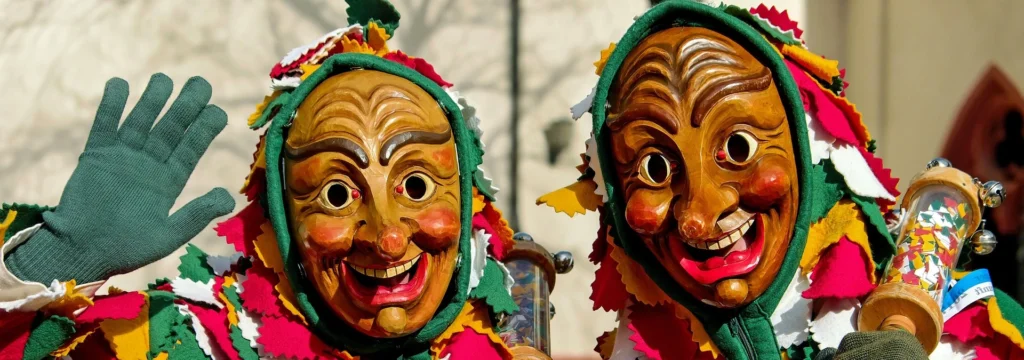
Carnival, also known as Fastnacht or Fasching, is one of the most colorful and joyful festivals of the year. With its vibrant processions, creative costumes and celebrations, Carnival captivates millions of people. Behind the festivities, however, lies a centuries-old tradition. In this post you will learn everything about the origins of Carnival. You will also become familiar with common customs and receive tips on how to mark this special period.
The Origins of Carnival
The roots of Carnival go back to antiquity. The Romans already celebrated exuberant festivals in honor of the god Saturn. These were characterized by merriment, disguises and an inversion of social roles. With the spread of Christianity, these pagan customs were incorporated into the church calendar and developed into the Carnival we know today.
The term „Carnival“ derives from the Latin „carne vale“, which roughly means „farewell to meat.“ The name thus refers to the start of Lent, which is traditionally ushered in with Ash Wednesday. Carnival therefore offers the last opportunity to celebrate before the Lenten fast.
When Does Carnival Take Place?
Carnival is celebrated in the period before the Christian Lent. The main days begin with the so-called „Weiberfastnacht“ on the Thursday before Ash Wednesday and end with Ash Wednesday itself. The highlight of the festivities is Rose Monday, followed by Shrove Tuesday.
Regional Differences: Carnival, Fastnacht and Fasching
Depending on the region, Carnival is referred to and celebrated differently:
- Carnival: Especially common in the Rhineland (e.g. Cologne, Düsseldorf). Large processions, sessions and a wide range of costume events dominate here.
- Fastnacht: In southern Germany and parts of Switzerland, Fastnacht is more commonly celebrated. It often has a traditional and partly mystical character with wooden masks and fools‘ guilds.
- Fasching: In Austria it is known as Fasching. Colorful processions and convivial Fasching balls are the main focus here.
Typical Customs and Traditions
1. Costumes and masks:
Dressing up is among the oldest customs. As early as antiquity, masks were worn to drive away evil spirits. Today, dressing up primarily stands for creativity and enjoyment. From costumes such as clowns and TV characters to original creations, anything goes.
2. Parades and Processions:
The Rosenmontag parade is the highlight. In cities such as Cologne, Düsseldorf and Mainz, colorfully decorated floats, music groups and costumed ensembles move through the streets and throw “Kamelle” (candies) to the crowd.
3. Carnival sessions
In many regions there are sessions featuring Büttenreden, dance troupes and music. These events are characterized by humor, satire and traditional carnival music.
4. “Weiberfastnacht” – the Day of Women:
On the Thursday before Rosenmontag, women traditionally take the lead. Each year on the Thursday before Rosenmontag, women symbolically take the scepter and create atmosphere with colorful costumes, celebrations and customs.
5. The Nubbel:
In the Cologne carnival the so‑called Nubbel is burned. This is a straw effigy that serves as a scapegoat for the excesses of the carnival season. The burning symbolizes the conclusion of the festive days.
Carnival worldwide
Not only in Germany is Carnival celebrated. Worldwide there are fascinating traditions:
- Rio de Janeiro, Brazil: Rio’s Carnival is famous for its parades with elaborate costumes, samba schools and a massive street carnival.
- Venice, Italy: The Venetian Carnival is distinguished by its elegant masked balls and ornate masks that shape the cityscape.
- New Orleans, USA: Mardi Gras in New Orleans is known for its colorful parades and the throwing of sweets.
Sustainable Carnival:
Carnival is a colorful celebration. Unfortunately, large events also produce a lot of waste. Here are some tips on how to celebrate more sustainably:
- Reusable costumes: Instead of buying new outfits every year, costumes can be homemade or purchased secondhand.
- Environmentally friendly decorations: Use decorations made of paper or fabric. Avoid plastic. After the celebration much can be reused or recycled.
- Sustainable confetti alternatives: Traditional confetti often contains plastic. Choose biodegradable alternatives such as flower petals or paper confetti.
- Public transport: Use buses, trains or trams. Especially in cities with large parades it makes sense to use public transport. This way you avoid traffic jams and searching for parking..
Tips for a successful Carnival season
- Plan ahead: Carnival is a major event in some regions. Hotels, train tickets and places at popular events sell out quickly.
- Creative costumes: Whether alone, as a couple or in a group – homemade costumes will make you stand out.
- Safety first: Especially at large parades it is important to pay attention to safety. Keep distance from the floats and watch out for children.
- Proper provisions: Long days at Carnival make you hungry. A small packed lunch and water are always helpful.
- Carnival for children: Many cities offer special parades for children. This is a great experience for the little ones.
The period after Carnival: Ash Wednesday and Lent
Carnival ends abruptly with Ash Wednesday. Traditionally, the 40-day period of Lent until Easter begins on that day. In many regions it is customary to eat fish on Ash Wednesday. Approach the Lenten season intentionally. Refrain from meat, alcohol, sweets, or digital media.
Conclusion
Carnival is much more than a costume party – it is a cultural event with traditions and customs. Whether parades, joyful celebrations or elaborate masked balls – Carnival offers something for everyone. At the same time, Carnival demonstrates how important community, humor and creativity are in everyday life. With a little preparation and an awareness of sustainability, the Carnival season becomes an unforgettable experience. Helau, Alaaf and a joyful Carnival season!