
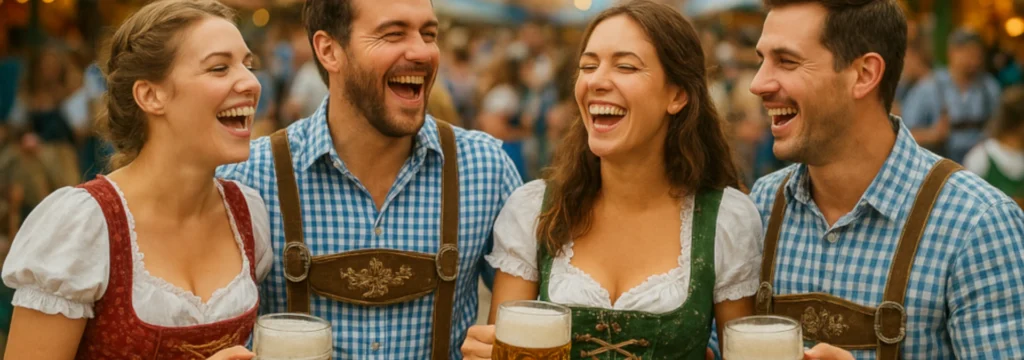
Oktoberfest is far more than a folk festival: it is an experience with history, culture, culinary enjoyment and also community. Year after year it draws people from around the world to Munich – and the festival is celebrated in many regions beyond that as well. Between Maßkrügen, Dirndl and Lederhosen, brass bands and delicacies, a sense of joy is always present. Those who prepare well can fully enjoy the Oktoberfest – and do so more sustainably. In this article you will learn where the Oktoberfest comes from, what is typical, and how to remain sustainable while attending.
Origin and significance of the Oktoberfest
The Oktoberfest began in 1810 with the wedding of Crown Prince Ludwig of Bavaria and Princess Therese of Saxe-Hildburghausen. The population of Munich was invited to take part in the celebrations – a horse race was held and a tradition was born that has endured to this day. Originally the festival took place in October; today it usually starts in September and ends in early October.
The festival symbolizes Bavarian culture and customs: traditional attire such as Dirndl and Lederhose, brass music, folk dance and regional cuisine shape the atmosphere. For many visitors the Wiesn experience is a fixed appointment in the annual calendar.
Typical elements of the Oktoberfest
At the Oktoberfest tradition and celebratory mood meet. Typical elements include:
- Traditional costume: Dirndl & Lederhosen
- Beer tents with several hundred to a thousand seats
- Rides, carousels, Ferris wheel
- Regional dishes such as Brezn, Hendl, Schweinshaxe, Steckerlfisch
- Market rides and passing festival processions
These elements make the Oktoberfest unique – and ensure that visitors do not come only to drink, but seek a comprehensive cultural experience.
Sustainability at the Oktoberfest
The Oktoberfest can represent a significant environmental burden – through waste, single-use tableware, disposable items and long journeys to and from the event. However, many people and providers are now adopting more sustainable solutions:
- Use of reusable tableware in the tents
- Waste separation and waste avoidance
- Arrival and departure by public transport
- Avoidance of plastic cutlery
Naturhaus – sustainable companions for your Oktoberfest
If you’re going to Oktoberfest, you probably want to look good, be well-groomed, and enjoy yourself. Naturhaus is an online shop specializing in natural, sustainable care products, fragrances, and gift ideas. Some suitable products or categories might be:
- Care products without synthetic fragrances or unnecessary additives
- Soaps or shower gels from natural cosmetics, ideal for cleansing and refreshing after a long day of festivities
- Gift sets – gift ideas filled with natural care items, as a nice present or souvenir
This way, the Oktoberfest day becomes not only a celebration for the senses but also associated with thoughtfully chosen care.
Preparation for your Oktoberfest day
To make sure your Wiesn day runs smoothly, good preparation helps. Here are practical tips:
- Select your Tracht and try on your shoes in advance – comfort and stability are crucial.
- Check the weather: it can be sunny, but also rainy or cool, especially in the evening. A light jacket can help.
- Pack a bag with useful items: umbrella or rain poncho, a small first-aid kit, wipes for cleaning.
- Take hygiene items – e.g., hand sanitizer that fits in your festival bag.
- Plan your journey: use public transport, leave early so you can reach the better tents.
Food, Drink & Cultural Experience
The culinary part of Oktoberfest is central. Besides beer, there’s much to discover:
- Typical Wiesn dishes such as Hendl (roast chicken), Schweinshaxe (pork knuckle), Weißwurst, and Brezn (pretzels).
- Sweets like Apfelkücherl, Krapfen, or Lebkuchen hearts.
- Live music in the tents, brass bands and traditional folk music.
- Rides and fair attractions that are especially fun with friends.
Make use of the different offerings – not only the large tents, but also smaller stalls and market booths often offer more authentic experiences.
Evening Program & Atmosphere
In the evening, the atmosphere at Oktoberfest becomes particularly magical:
- The festival tents light up, lights glow, music grows louder, and the celebration becomes more lively.
- A change of clothes provides warmth – a jacket or scarf is advisable in the evening.
- People dance, sing along, share in community – the social aspect is a major part of the festival.
After the festival – Care & Regeneration
After a long Oktoberfest day, the body benefits from some rest and care:
- Shower with a mild body wash or natural soap, e.g. from Naturhaus, to wash off the smell of beer, smoke or food.
- Care products that contain herbs or natural oils soothe the skin after sun, heat or exertion.
- Warm, comfortable clothing – a warm sweater or scarf helps when temperatures drop.
Conclusion
Oktoberfest is a unique blend of tradition, enjoyment, community and festive spirit. Those who prepare well, whether with traditional costume, comfortable shoes or a practical bag, can enjoy the day from start to finish. Not only good mood and sociability matter, but also thoughtful equipment. With sustainable companions you are also well prepared to handle long festival days in a relaxed way. Especially when you choose natural products, the festival can be enjoyed twice over – for the environment and for your own well‑being.
Experience Oktoberfest consciously: celebrate, be courteous, enjoy locally and make sure your outing is sustainable and pleasant. Then the visit to the Wiesn will not only be a highlight of the year, but an experience you will remember fondly.