
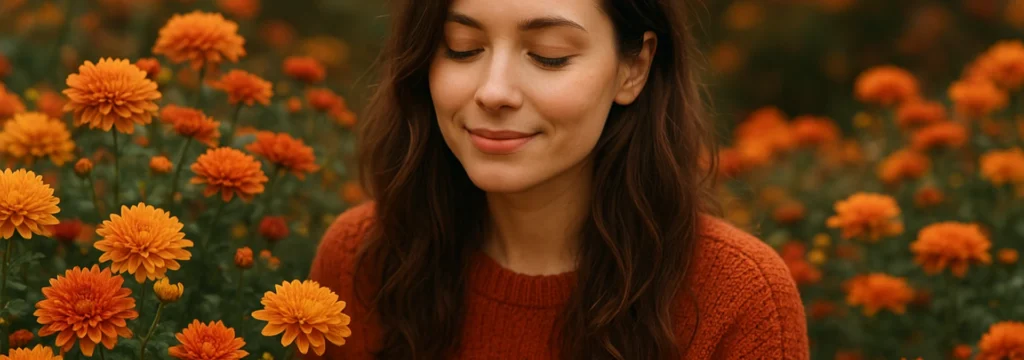
The chrysanthemum is far more than a popular autumn flower. It stands for elegance, longevity and cultural depth. Whether in Japanese gardens, on European balconies or in traditional medicine – chrysanthemums captivate with their wealth of colour, variety and symbolism. In this article you will learn everything about the origin, care and meaning of the chrysanthemum – ideal for garden enthusiasts and florists.
Origin and botanical classification
The chrysanthemum belongs to the family Asteraceae and originates from Asia, primarily China and Japan. It has been cultivated and valued there for more than 2,000 years. In Europe it was introduced in the 17th century and today ranks among the most popular ornamental plants.
The botanical name Chrysanthemum is derived from Greek: “chrysos” means gold, “anthemon” means flower – thus “golden flower”. This designation refers to the earliest known wild forms, which were mostly yellow-flowering.
Variety: colours, forms and sizes
Worldwide there are over 40 species and more than 10,000 cultivated varieties of chrysanthemums. The plants vary considerably in flower shape, colour and height. There are single, double, pompon-like, spidery-flowered and anemone-like blossom forms.
The colour palette ranges from classic white through yellow, orange and red to pink, violet and even greenish tones. Depending on the variety, chrysanthemums grow compactly in containers or, as garden plants, can reach heights of over one metre.
Particularly popular are varieties such as Chrysanthemum morifolium (autumn chrysanthemum), Chrysanthemum indicum (smaller wild form) and edible varieties like Chrysanthemum coronarium, which are used primarily in Asian cuisine.
Site and care
Chrysanthemums are comparatively easy to care for and robust. With the right site and appropriate care they thrive in the home garden or on the balcony.
A sunny to partly shaded site is ideal. The soil should be loose, nutrient-rich and well-draining. Chrysanthemums do not tolerate waterlogging well, so container-grown plants require adequate drainage.
During the flowering period chrysanthemums need regular watering, but without water pooling around the roots. Fertilising every two weeks with a flowering-plant fertiliser supports growth and flower development (recommended here are the Universal Garten Dünger or the vegan fertiliser from ARIES).
In late autumn a cutback to about 10 to 15 centimetres is advisable. Many varieties are winter-hardy; for others a layer of mulch or overwintering in a frost-free location provides protection.
Flowering period and use throughout the year
Most chrysanthemums bloom from late summer into late autumn, typically between August and November. They are therefore among the most important late bloomers and provide colorful accents when other plants have already faded.
Some varieties even persist until the first frost, making them an ideal choice for late-autumn balconies and terraces.
Symbolism and cultural significance
The chrysanthemum is deeply rooted in many cultures and carries a range of meanings. It enjoys particular esteem in East Asia.
In Japan it is regarded as a symbol of the sun, light and life. It is the official emblem of the imperial household and is celebrated annually on September 9 as the ‚Festival of the Chrysanthemum‘. In Japanese culture it represents purity, constancy and good fortune.
In China the chrysanthemum is revered as one of the four noble plants — alongside bamboo, orchid and plum blossom. There it symbolises autumn, old age, wisdom and withdrawal into silence. It is also used in traditional Chinese medicine.
In many European countries, including France, Poland and Italy, the chrysanthemum, by contrast, is associated with remembrance of the dead. Especially on All Saints‘ Day (1 November) it is used as a cemetery flower. In Germany it is also known as a typical autumn grave plant, but it is increasingly gaining importance as a garden and ornamental plant.
Chrysanthemums in floristry
Thanks to their long durability and wide range of colours, chrysanthemums are indispensable in modern floristry. As cut flowers they last in a vase for up to two weeks and are suitable for bouquets, arrangements and floral decorations of all kinds.
Whether as a traditional funeral flower or as part of contemporary autumn arrangements, chrysanthemums offer floristic flexibility for numerous occasions.
Tips for purchase and plant selection
When purchasing chrysanthemums, choose healthy, vigorous plants. Leaves should be a deep green without spots or withered areas. Ideally the flower buds are already formed but not fully open — this ensures a longer flowering period.
For balconies, compact, frost-resistant varieties are recommended. For gardens, robust, winter-hardy types are especially suitable. Particularly popular are varieties such as ‚Savanna Pink‘ (romantic-rose), ‚Anastasia‘ (large-flowered and elegant) or ‚Yellow Spider‘ (with a striking flower form).
Conclusion
The chrysanthemum is a plant with impressive diversity and cultural depth. As a late bloomer it brings color to autumn; its symbolism ranges from good fortune and wisdom to remembrance and eternity. In garden and balcony design, in medicine and in floristry it has established a firm place. Its low-maintenance characteristics and long flowering period make it an ideal choice for hobby gardeners and plant enthusiasts.
With proper care and selection of varieties, the chrysanthemum not only brings color to the garden but also history, significance and a piece of East Asian culture.