
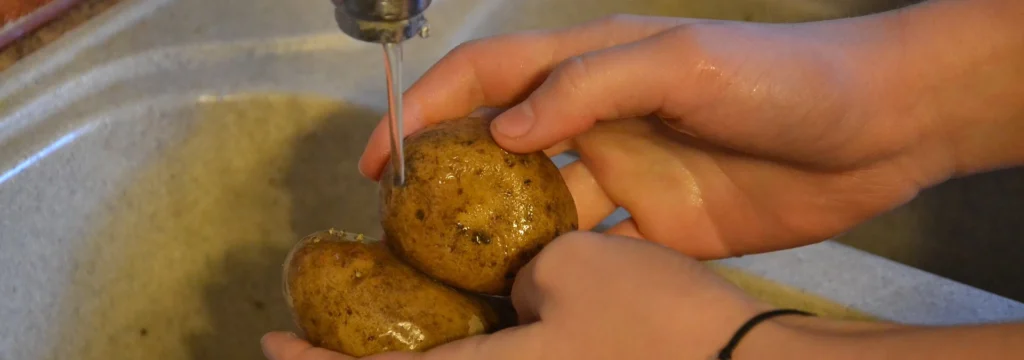
Vegetables are an important part of a healthy diet and provide many valuable vitamins, minerals and dietary fiber. But before they are processed in the kitchen, vegetables should be thoroughly cleaned to remove dirt, pesticide residues and any microorganisms. Whether organic vegetables or conventionally grown produce — proper cleaning ensures a safe and clean product. In this article you will learn how to optimally clean different types of vegetables and which tips are particularly helpful.
Why cleaning vegetables is important
Vegetables often grow outdoors and are exposed to various influences such as soil, dust, pesticides and sometimes microbes. Even organically grown vegetables can have bacteria, dirt or possible residues on their surface. Thorough cleaning before consumption or processing ensures hygiene and safety and prevents possible transfer of contaminants or pathogens. Especially for vegetables that are eaten raw, proper cleaning is particularly important to remove unwanted microbes.
Basic rules for cleaning vegetables
Before you focus on the specific cleaning of different types of vegetables, here are some general basic rules to observe:
- Wash your hands thoroughly before you begin cleaning vegetables.
- Remove visible dirt by rinsing under running water before applying specific cleaning methods.
- Use cold water for cleaning, as hot water can affect the texture and flavor of vegetables.
- Avoid soap or detergents, as residues can be harmful to health. Water and appropriate techniques are sufficient to clean vegetables thoroughly.
- Use a vegetable brush for produce with thick or uneven skins such as carrots or potatoes to scrub the surface thoroughly.
Methods for thoroughly cleaning vegetables
There are various methods to clean vegetables thoroughly. Depending on the type of vegetable, some methods are more suitable than others. Below are the main cleaning methods and which types of vegetables they are best suited for.
1. Cleaning with water and vinegar
Vinegar is a natural agent that acts against bacteria and pesticides and is frequently used to clean fruit and vegetables. This method is particularly effective for vegetables with a soft skin that may be sensitive to scrubbing, such as tomatoes or peppers.
Application:
- Mix water and vinegar in a 3:1 ratio in a bowl.
- Place the vegetables in the solution and let them soak for 5–10 minutes.
- Rinse the vegetables thoroughly with clear water afterward to remove the vinegar odor.
2. Cleaning with a baking soda solution
Baking soda (bicarbonate of soda) is another home remedy that is ideal for cleaning vegetables, particularly to remove pesticide residues. It works well for vegetables such as cucumbers, courgettes and peppers.
Application:
- Add 1–2 teaspoons of baking soda to a bowl of water.
- Place the vegetables in it and let them sit for about 10–15 minutes.
- Rinse the vegetables under running water to remove any baking soda residue.
3. Scrubbing with a vegetable brush
Vegetables with hard or uneven skins such as potatoes, carrots, beets and pumpkins are best cleaned with a vegetable brush. This mechanically removes stubborn dirt without damaging the produce.
Application:
- Hold the vegetables under cold, running water.
- Use a clean vegetable brush and scrub the surface thoroughly to remove dirt and possible pesticide residues.
- Finally, rinse the vegetables thoroughly with water.
4. Remove the skin if necessary
For certain vegetables that may have significant pesticide residues, it is advisable to remove the skin. This applies particularly to conventionally grown produce, where the skin can be more contaminated, such as cucumbers, peppers and carrots.
Application:
- Rinse the vegetables briefly before peeling.
- Peel them with a sharp knife or a vegetable peeler.
- Use the peeled vegetables immediately or store them chilled.
Cleaning different types of vegetables
Leaf vegetables (lettuce, spinach, arugula)
Leaf vegetables tend to collect sand, soil and sometimes small insects in their leaves. Therefore a thorough cleaning is important.
Cleaning:
- Separate the leaves and place them in a bowl of cold water.
- Swirl the leaves in the water to loosen dirt and residues.
- Repeat the process as needed until the water remains clear.
- Gently dry the leaves with a kitchen towel or a salad spinner.
Root vegetables (carrots, potatoes, beetroot)
Root vegetables grow directly in the soil and are often heavily soiled. Here cleaning with a brush and, if necessary, removing the peel is recommended.
Cleaning:
- Rinse the vegetables under running water.
- Use a vegetable brush to remove dirt thoroughly.
- If necessary, you can remove the peel after cleaning.
Soft-skinned vegetables (tomatoes, peppers, cucumbers)
Soft-skinned vegetables are often delicate and should be cleaned without intense scrubbing. A vinegar or baking soda solution is ideal for removing residues and germs.
Cleaning:
- Soak the vegetables in a vinegar or baking soda solution.
- Rinse thoroughly with water afterwards to remove any residues.
Tips for optimal cleaning of organic vegetables
Organic vegetables should also be cleaned, because despite the absence of chemical pesticides they can contain dirt or natural residues. For organic vegetables, a thorough rinse with water is usually sufficient, supplemented by a short soak in a vinegar or baking soda solution for stubborn residues. Careful cleaning also removes germs from organic vegetables.
Frequently asked questions about vegetable cleaning
Does produce always have to be cleaned with vinegar or baking soda?
For daily cleaning, plain water is often sufficient, especially for organic vegetables. For vegetables with potential pesticide residues, however, a vinegar or baking soda solution is recommended.
How often should you change the cleaning solutions?
After cleaning several types of vegetables, the water should be changed to avoid an accumulation of dirt or residues.
How long can cleaned vegetables be stored?
Cleaned vegetables should be processed quickly or stored in the refrigerator to preserve freshness. Leafy vegetables can be wrapped in a damp kitchen towel and stored for up to three days.
Conclusion
Proper cleaning of vegetables is an important step to safely remove dirt, germs and pesticide residues. Different methods—such as soaking in a vinegar or baking soda solution, using a vegetable brush, or peeling—are appropriate depending on the type of vegetable. Careful cleaning not only improves hygiene but also extends shelf life and enhances flavor. With simple household remedies and a few practical tips, vegetable cleaning can be integrated into daily routines — for clean, fresh and healthy enjoyment.