
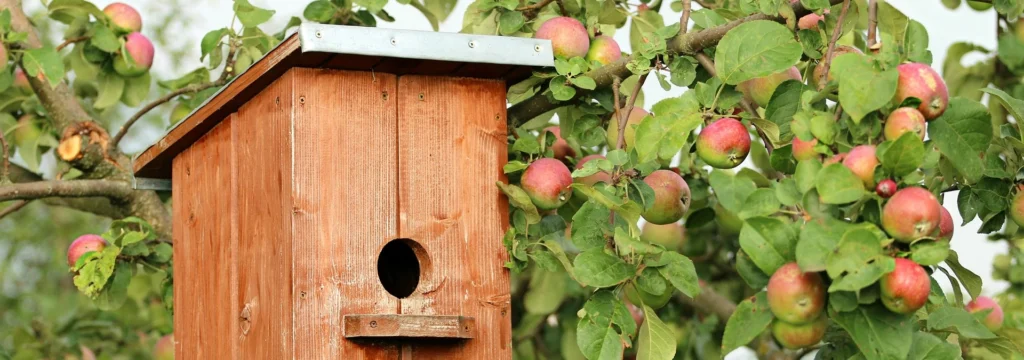
Birdhouses are not only a decorative addition to your garden, but also provide many bird species with a secure refuge and a nesting site. If you build a birdhouse yourself, you actively contribute to nature conservation and promote wildlife in your garden. In this article you will learn everything you need to know about building birdhouses, from the required materials to creative ideas and practical tips.
Why build a birdhouse yourself?
Building a birdhouse yourself is not only a pleasant DIY project but also an environmentally responsible choice. Birds are finding fewer natural nesting opportunities in towns and settlements. With a self-built birdhouse you can provide birds with a safe, protected space. At the same time, you can add an extra natural experience to your garden and observe birds that visit your property regularly.
Materials for the birdhouse
The choice of the right materials is crucial to build a functional and durable birdhouse yourself. Here are some of the most common materials you can use:
- Wood: Wood is the classic material for birdhouses, as it provides natural insulation and adapts well to the surroundings. Especially suitable are wood species such as spruce, pine or larch, as they are weather-resistant and stable.
- Roofing material: For the roof, protective materials such as shingles, bitumen membranes or roofing felt are recommended. These protect the birdhouse from rain and moisture.
- Nails and screws: Use rust-free nails or screws when building your birdhouse yourself
- Entrance hole protection: To protect the entrance hole from wear and weather effects, you can attach a metal plate or a piece of wood.
Step-by-step guide: Build a birdhouse yourself
Planning and dimensions
Before you start building, you should consider the size and shape of the birdhouse. The dimensions depend on the bird species you want to attract. Smaller birds such as tits prefer a smaller house, while larger species like starlings require a more spacious home. A typical birdhouse has a base of about 15 x 15 cm and a height of approx. 20 to 25 cm. The entrance holes should have a diameter of 3 to 4 cm to attract tits.
Building the walls
To build the birdhouse yourself, start with the walls of the birdhouse. Cut the wooden panels to the appropriate dimensions and pre-drill holes for the screws to avoid splitting. Ensure that the walls have no sharp edges so as not to pose an injury risk to the birds.
Attaching the roof
The roof should be designed to protect the birdhouse from rain. Cut two roof panels that overlap slightly at the edges. Ensure the roof is pitched so water can run off. Fasten the roof with nails or screws and check that it is stable.
Drilling the entrance holes
The entrance holes are an important component of the birdhouse. Drill a hole in the front wall of the birdhouse. Make sure the hole’s diameter matches the species you want to attract. The hole should be positioned slightly above the center of the wall so the birds do not nest directly on the floor.
Floor and ventilation
If you build birdhouses yourself, you should ensure that the floor of the birdhouse is well ventilated so the birds have fresh air and the house does not become too hot in summer. Drill a few small holes in the floor to provide adequate airflow. Also treat the floor with a wood preservative to protect it from moisture.
Assembly and completion
Now you can assemble all parts of the birdhouse. Attach the walls to the floor and the roof to the walls. Ensure the house is assembled in a stable and secure manner. Finally, you can paint the house as you wish or treat it with natural paints to better integrate it into the garden landscape.
Tips for building a birdhouse
- Use natural materials: Avoid materials treated with harmful chemicals. Birds are sensitive to toxic substances, so use harmless materials such as untreated wood.
- Position the birdhouse: Place the birdhouse in a quiet, secure location protected from strong winds and rain. Ensure the house is not placed too close to predators such as cats or martens.
- Cleaning: Clean the birdhouse regularly to keep it free of dirt and parasites. Remove old nests so birds can move in again the following year.
Bird species you can attract with your birdhouse
Depending on the size and construction of the birdhouse, different bird species can be attracted. Some common visitors are:
- Tits: Tits are small birds commonly found in gardens. They prefer a small birdhouse with an entrance hole 3 to 3.5 cm in diameter.
- Robins: Robins prefer open nesting sites. A birdhouse with a wide opening and a slightly larger interior is ideal for them.
- Sparrows: Sparrows prefer larger nest boxes with an entrance of 3.5 to 4 cm in diameter.
Conclusion: Building your own birdhouse is simple and worthwhile
Building a birdhouse is a wonderful DIY project that is not only enjoyable but also makes a positive contribution to nature conservation. With the right planning and materials you can create a safe and cozy home for birds. Ensure the house is stable, secure and well positioned to provide the birds with the best habitat. Observe the birds in your garden and enjoy the variety your self-built birdhouse attracts.