
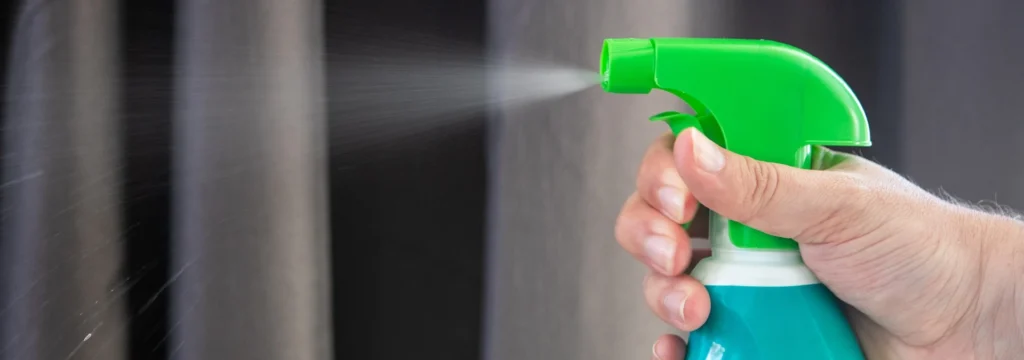
A sparkling home without chemicals and plastic waste? With a homemade glass cleaner, that is possible. DIY glass cleaners are not only easy to make, but also cost-effective and environmentally friendly. In this article you will learn how to make and use a DIY glass cleaner, and why it is a sustainable alternative to conventional glass cleaners.
1. Advantages of a DIY Glass Cleaner
Homemade glass cleaners offer a range of advantages over conventional products:
- Environmentally friendly: A DIY glass cleaner contains only natural ingredients that are readily biodegradable and do not release chemicals into wastewater.
- Health-friendly: Unlike conventional cleaners, which often contain irritating chemicals, the ingredients of a DIY glass cleaner are mild and safe for the skin and respiratory tract.
- Cost savings: The ingredients for a homemade glass cleaner are inexpensive and often already present in the household.
- Avoiding plastic waste: Homemade cleaners can be stored in reusable glass or plastic bottles and help reduce waste.
2. Basic ingredients for a DIY glass cleaner
Making a DIY glass cleaner is straightforward and requires only a few ingredients usually found in the kitchen. The basic ingredients include:
- Vinegar: Vinegar is a natural cleaner that dissolves grease and dirt and also has disinfecting properties. In addition, it gives glass surfaces a nice shine.
- Water: Water serves as the main component and diluent in the glass cleaner.
- Alcohol (optional): Cleaning alcohol, e.g. isopropyl alcohol, enhances cleaning power and ensures the cleaner dries faster and leaves no streaks.
- Essential oils (optional): A few drops of essential oil, such as lemon or lavender oil, give the cleaner a pleasant scent and are also antibacterial. We recommend the fragrance oils from ARIES and Bergland.
These ingredients form the basis for an effective glass cleaner that effortlessly removes grease and dirt and leaves windows sparkling.
3. Recipe for DIY Glass Cleaner
With just a few steps you can make your own glass cleaner. Here is a simple recipe:
Ingredients:
- 250 ml water
- 250 ml vinegar (white household vinegar or apple cider vinegar)
- 100 ml cleaning alcohol (e.g., isopropyl alcohol) – optional
- 5–10 drops essential oil (e.g., lemon or lavender) – optional
Instructions:
- Mix the water and vinegar in a clean spray bottle.
- Add the cleaning alcohol if desired. This helps prevent streaking and increases cleaning effectiveness.
- Add a few drops of essential oil to impart a pleasant scent.
- Shake the bottle well so that all ingredients mix.
Your DIY glass cleaner is now ready for use!
4. Application of the DIY Glass Cleaner
For a streak-free result, correct application is crucial. Here are some tips to get the most out of your glass cleaner:
- Prepare the surface: Remove coarse dirt and dust from the glass surface beforehand.
- Apply cleaner: Spray the glass cleaner generously onto the area to be cleaned.
- Wipe: Use a soft microfiber cloth or newspaper to wipe and dry the surface. Microfiber cloths are ideal because they are lint-free and do not leave streaks.
- Allow to dry: Let the area air-dry if small droplets remain.
This technique works not only on windows but also on mirrors, glass tables and other glass surfaces in the home.
5. Tips and tricks for glass cleaning
- Avoid direct sunlight: Do not clean glass surfaces in direct sunlight, as the cleaner can dry too quickly and leave streaks.
- Use the right cloth: Microfiber cloths are particularly suitable because they clean without streaks and do not leave lint.
- Clean regularly: Regular cleaning prevents the formation of stubborn stains and deposits.
- Mind the dosage: Use the cleaner sparingly to avoid streaking. A few sprays are often enough.
6. Alternative recipe ideas for DIY glass cleaner
There are several ways to make a glass cleaner yourself. Here are some alternatives for different needs:
a) Glass cleaner with lemon juice
Lemon juice has a natural disinfecting effect and provides a fresh scent. Mix 250 ml of water, 250 ml of white vinegar and the juice of one lemon. The lemon juice dissolves grease and provides a bright shine.
b) Glass cleaner with baking soda
Baking soda is suitable for particularly stubborn dirt. Mix 500 ml of warm water with one tablespoon of baking soda and add 100 ml of white vinegar. Caution: the baking soda reacts with the vinegar and foams, so prepare the mixture slowly.
c) Glass cleaner without vinegar
If you are sensitive to the smell of vinegar, you can omit it. Instead, mix 500 ml of water with 100 ml of cleaning alcohol and add a few drops of essential oil for a pleasant scent.
7. Nachhaltigkeit und Lagerung
DIY glass cleaners are not only environmentally friendly but also economical and plastic-free. Store your cleaner in a glass bottle or a reusable plastic bottle and label it clearly to avoid confusion.
Because DIY cleaners do not contain chemical preservatives, you should use them up within a few weeks and prepare fresh cleaner as needed.
8. Häufige Fragen zu DIY Glasreinigern
Can the cleaner also be used on other surfaces?
Yes, DIY glass cleaners are often suitable for other smooth surfaces such as stainless steel, mirrors or tiles. Tip: always test on an inconspicuous spot first.
Can I use vinegar essence?
Yes, vinegar essence is also possible, but it should be diluted with more water to avoid damaging the surface. Please test the DIY cleaner beforehand in an inconspicuous area.
Are DIY glass cleaners suitable for car windows?
In principle yes, but prefer alcohol-free mixtures to avoid damage to rubber seals.
How often should windows be cleaned?
Windows should be cleaned at least every two to three months, depending on the level of dirt.
Conclusion
A DIY glass cleaner is an environmentally friendly and effective alternative to conventional products. It cleans glass surfaces without aggressive chemicals and can be made cost-effectively from basic household ingredients. Thanks to its natural ingredients it is gentle on the skin, safe for the environment and reduces plastic waste. Try it — your home will shine, and you will contribute to environmental protection. If you currently do not have time to make a DIY glass cleaner, you can find environmentally friendly glass cleaners from Sodasan and Sonett here. Also available in bulk packaging.