
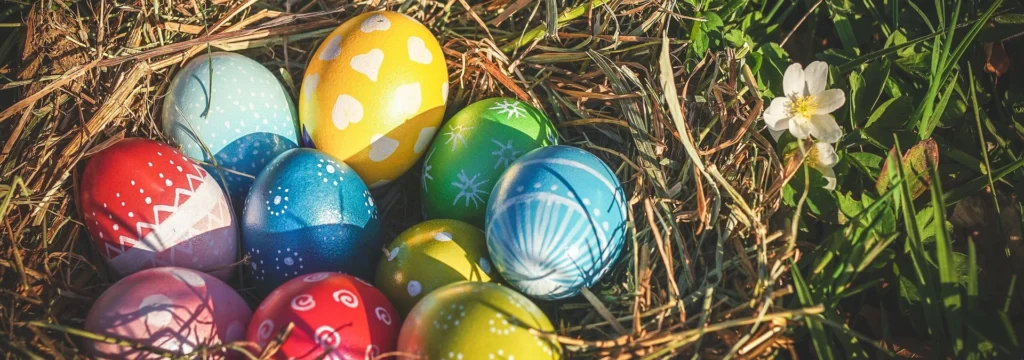
Easter is a time of joy, of spring and of creativity. One of the most popular traditions during the Easter holidays is painting Easter eggs. This colorful activity is not only fun for the whole family, but also has a long history that reaches back to antiquity. In this post you will learn more about the tradition of painting Easter eggs, how you can creatively decorate your own eggs, and the symbolism behind the colorful eggs.
The tradition of painting Easter eggs
Painting eggs has a long tradition and is closely linked to the celebration of spring and the resurrection. Eggs symbolize life, fertility and rebirth, making them an ideal motif for the Easter festival. The practice of painting eggs has its roots in various cultures. Especially in Europe, painting Easter eggs is widespread. In many countries it is a popular family activity in which children and adults create designs on the eggs together.
There are also cultural differences in how Easter eggs are painted. In some regions eggs are traditionally dyed with natural colorants from plants and herbs, while in other parts of the world modern, synthetic dyes are used. Painting eggs is also associated with various customs and rituals that vary by region.
Materials and techniques for painting Easter eggs
Before you start painting Easter eggs, you need the right materials. Here are some basic items you will need for your creative work:
- Eggs: First you must decide whether you want to use real chicken eggs or blown-out eggs. Blown-out eggs have the advantage that they are more durable and will not spoil if you want to keep the eggs for a longer period.
- Paints: For painting you can use various paints. Acrylics, watercolors or special egg dyes from the craft store are common. Make sure the paints are non-toxic, especially if small children are taking part.
- Brushes: Small and medium brushes are ideal for painting detailed patterns, while larger brushes can be used for covering areas or larger designs.
- Pens and markers: If you want to add detailed drawings or lettering to the eggs, you can use special markers or pens that are suitable for painting eggs.
- Stickers and stencils: For an easy way to create attractive patterns or designs, you can also use stickers or stencils.
- Glitter, beads and rhinestones: If you want to give the eggs an extra sparkling touch, you can add glitter or decorative stones.
Steps for painting Easter eggs
Painting Easter eggs is easy and great fun. Here is a simple guide to get you started:
- Prepare the eggs: If you are using blown-out eggs, pierce a small hole at both ends of the egg with a needle and gently blow out the contents. Then rinse the egg with water so that no residue remains inside.
- Dye the eggs: Before you start painting, you can dip the eggs in a color of your choice to create a base color. You can use special egg dyes for this or experiment with food coloring yourself. Allow the eggs to dry completely before continuing with further decoration.
- Painting: Now you can begin the actual design. Let your creativity run free and decorate each egg as you like. You can apply colorful patterns, floral designs, or even small pictures and drawings to the eggs. If you are not sure what to paint, you can also draw inspiration from nature, such as flowers, butterflies, or spring landscapes.
- Decorating: Once the paint is dry, you can further decorate your eggs. Glitter, small beads, or colorful stickers give the eggs a special shine. Make sure that all embellishments adhere well and do not fall off when the egg is moved.
- Let dry: Allow the painted eggs to dry completely before using them in baskets or as decorations.
Creative ideas for Easter eggs
- Natural motifs: Use the beauty of nature to design your Easter eggs. Turn the eggs into small works of art by painting delicate flowers or leaves on the egg. Use fine brushes and natural colors to create these designs.
- Geometric patterns: If you prefer a modern look, you can paint geometric patterns on the eggs in bold colors. Stripes, triangles, and diamonds can give the eggs a fresh, modern appearance.
- Funny faces: Use markers or pens to draw funny faces on the eggs. From laughing faces to cute animal faces, there are many ways to personalize the eggs.
- Easter bunny motifs: The Easter bunny is one of the best-known figures associated with Easter. Paint your eggs with bunny ears, small paws, or a cute bunny sitting on the egg.
- Soft pastel tones: If you prefer a classic look, use pastel colors to create gentle, spring-like eggs. These tones harmonize perfectly with the spring atmosphere and pair well with other Easter decorations.
- Telling Easter stories: Use your Easter eggs to tell a story. You might depict a small scene from a fairy tale or from nature. Each egg can tell its own story.
The symbolism of Easter eggs
Eggs play a significant role in many cultures, especially during spring and Easter. They are symbols of new life, fertility and rebirth – themes closely associated with the Easter observance. Painting the eggs in bright colors and creative designs represents the joy of spring and the resurrection.
In some cultures, eggs are also regarded as talismans intended to bring prosperity and good fortune. Painting eggs is therefore not only a creative act but also a way to express wishes for luck and prosperity.
Conclusion
Painting Easter eggs is a wonderful way to spend time with family and be creative. It is a tradition that delights young and old alike and carries meaningful symbolism. Whether with classic colors or modern designs, painting Easter eggs gives you the opportunity to let your imagination run free and to create a cheerful atmosphere in your home. It is an activity that brings spring and the Easter season to life and warms people’s hearts.