
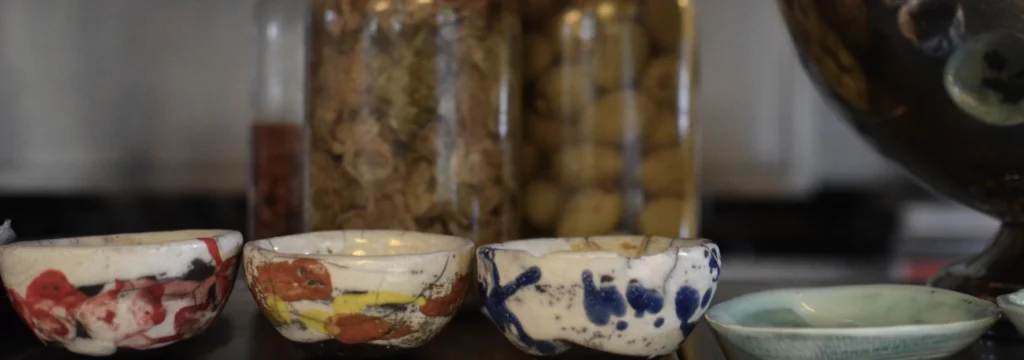
In industrial fermentation pure culture cell strains are added to accelerate the fermentation process or to exclude unwanted by-products – this is not what the fermentation trend in food means. Rather, it is about returning to the old tradition of fermentation, which was already practiced in antiquity to preserve food and thereby supplied people, especially in the winter months, with vitamin-rich nourishment. Learn more about fermentation here!
Industrial and natural fermentation: differences
Industrial and natural fermentation share that organic substances are transformed outside living organisms. The microorganisms required for this are already present on the starting material.
Industrial fermentation
In the industrial production of foods based on fermentation, specific cell and fungal cultures, bacteria and enzymes are deliberately added to the original food to control and accelerate the conversion process or to prevent faulty conversion.
This on the one hand meets the high demand for these foods and on the other hand secures the company’s profit.
Natural fermentation
The fermentation food trend does without any addition of fermentation accelerators.
The fermentation process takes time: conversion and natural maturation do not occur overnight. You have likely noticed this if you have ever baked bread from a sourdough starter.
Advantages of natural fermentation
If you have discovered fermentation as a new food trend, you can expect tangible benefits for your health:
- The elimination of additives alone is a benefit for your health. In industrial production it does not stop at the necessary aids for fermentation to accelerate the ripening process; substances are also added that secure the product’s shelf life even under less favourable storage conditions.
- The high content of minerals and vitamins, particularly vitamins C and K, in fermented foods. In winter you don’t need fruit from distant countries to fend off colds when fermented foods are available to you.
- Fermented vegetables, consumed raw, particularly promote gut health. The foods are easier to digest. The lactic acid bacteria they contain influence the gut flora and support digestion. Overall, the immune system is strengthened.
- The breakdown of carbohydrates and sugars that occurs during the process makes the foods lower in calories.
- Fermented vegetables, as an emerging food trend, not only bring freshness to the table when the winter months look gray and dreary. Their aroma stimulates the appetite, they enrich a variety of dishes and are a welcome addition to a bread-based meal.
- Stored in the right place, fermented produce will be available to you for a long time — perhaps convenient to grab as you pass. Harmful bacteria have been killed by the acid produced during fermentation, so the preserves remain stable without refrigeration.
- Seasonal and regional products are inexpensive and ease the household budget. Home-grown produce yields cost savings in addition to the benefit of work in the open air.
Suitable foods for fermenting
When the harvest of seasonal vegetables is due, prepare tall vessels such as preserving jars, clay or ceramic pots that can be covered.
Freshly harvested produce is particularly suitable, for example:
Cabbage of all kinds, green beans, cucumbers, beetroot, radish, carrots, tomatoes, zucchini and garlic.
If you are a beginner, cabbage is a reliable option: it should be finely shredded, mixed with salt and placed in dense, tightly pressed layers. Spices such as bay leaf, allspice, mustard seeds and a few strips of carrot can be mixed in.
So nothing goes wrong
- Salt should not be used sparingly so that an adequate brine can form.
- The fermentation process requires an ambient temperature of approximately 20 degrees Celsius.
- During fermentation gases form and odors can develop to varying degrees. Therefore it is advisable to choose an enclosed room. For subsequent storage, temperatures of 15 to 18 degrees are optimal.
- Poor hygiene jeopardizes success. Clean hands and clean utensils are important, otherwise unwanted bacteria may be introduced into the ferment.
- Once sufficient liquid has formed, ensure that it seals the vegetables airtight.
- Place the container on a surface that can catch any liquid that may form.