
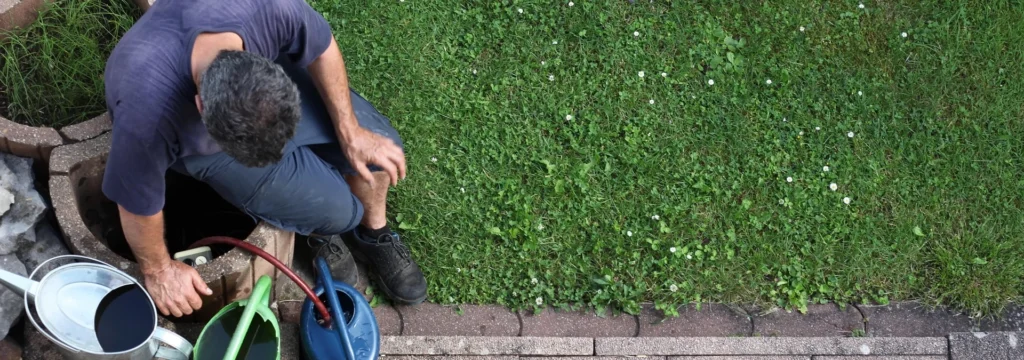
Gardening is for many people not only a practical part of everyday life, but also a way to connect with nature. It does not matter whether it is a large kitchen garden, a small flower bed or an urban balcony – gardening activities promote mindfulness, physical activity and a better understanding of ecological interrelationships. This article covers central aspects of gardening: from planning through typical tasks to seasonal focuses and sustainable practices.
1. Gardening
Gardening includes all activities required for the care and design of green areas. These include, among others:
- Planting flowers, vegetables and shrubs. For abundant blooms we recommend the ARIES Flower Power.
- Maintenance of lawns and beds
- Irrigation and fertilization (e.g. universal garden fertilizer from Aries)
- Weed removal and soil cultivation
- Pruning and harvesting
Depending on the season and the type of garden, tasks vary. Gardening can take place both in private home gardens and in allotment gardens or community gardens.
2. Proper planning: site, soil and plant selection
Before starting the actual gardening work, careful planning is advisable. Key factors are:
- Site analysis: How much sun does the area receive? Are there windbreaks or shaded areas?
- Soil composition: clayey, sandy or rich in humus – the soil type influences plant selection.
- Plant selection: Regionally typical, site-appropriate plants are generally easier to maintain and more resilient to disease and weather influences.
A structured planting plan helps to use bed areas efficiently and to design them in an aesthetically pleasing way.
3. Tools and equipment
Various tools are necessary for daily gardening tasks. These include, among others:
- Hand trowel and rake
- Spade and digging fork
- Pruning shears and hedge trimmer
- Watering can or garden hose
- Compost bins and mulch material
Proper maintenance of tools extends their lifespan and significantly eases the work.
4. Typical gardening tasks over the course of the year
Gardening is strongly dependent on the seasons. Each phase entails its own tasks.
Spring
The gardening year begins in spring. Beds are prepared, the first seeds are sown and frost-sensitive plants are started. It is also the ideal time to prune perennials and to fertilize the soil.
Summer
In summer maintenance tasks are the main focus, as plants now require special attention. Regular watering, weeding, mulching and monitoring for pests are important activities that promote growth and help prevent disease. We recommend the products from the company ARIES Umweltprodukte. In addition, this is when the first fruits and vegetables begin to be harvested, so the efforts of the past weeks gradually pay off.
Autumn
Autumn is used to prepare for winter. Leaves are removed, beds are cleared and compost is turned. Many perennials can now be pruned back. Planting bulbs for the following spring is also typical.
Winter
In winter the garden largely rests. Nonetheless, woody plants can be pruned, garden tools maintained and planning for the coming year carried out.
5. Sustainable gardening
Sustainability plays an increasingly important role in modern gardening. Many gardeners adopt:
- Composting instead of chemical fertilizers
- Mixed planting for pest control
- Use of rainwater for irrigation
- Avoiding peat-based soil
- Promoting biodiversity through insect hotels and flower strips
Through conscious decisions a garden can be designed to be not only functional but also ecologically sound.
6. Vegetable and herb cultivation in your own garden
A private vegetable garden offers the opportunity to grow fresh vegetables and aromatic herbs yourself. Particularly popular are:
- Vegetable types such as tomatoes, courgettes, carrots, lettuce and beans. We recommend the tomato fertilizer from ARIES.
- Culinary herbs such as basil, parsley, thyme, chives and rosemary. Here we recommend the herb fertilizer from ARIES.
For successful cultivation, crop rotation, planting distances and suitable locations are decisive. Raised beds or vertical gardens also offer space-saving solutions for smaller areas.
7. Ornamental gardens and design elements
In addition to utility, visual design also plays a central role. Elements such as:
- Flower beds in harmonious color schemes
- Topiary and perennial borders
- Paths, trellises and water features
can be used deliberately to create structure and atmosphere. Seating areas and privacy screens also enhance the garden’s comfort and usability.
8. Gardening for body and mind
Many people appreciate gardening not only as a practical activity but also as a counterbalance to everyday life. Studies show that regular gardening:
- can reduce stress
- promotes physical activity
- strengthens mindfulness and connection to nature
Working outdoors has a calming, decelerating effect and provides meaningful activity with visible results.
9. Tips for beginners
For those new to gardening, the following notes are helpful:
- Start small: A small bed or a few planters are sufficient to begin.
- Bring patience: Plants need time – initial failures are normal.
- Use local advice: Garden centers, associations or neighbors often provide useful tips.
- Follow a planting calendar: A seasonal planting schedule offers straightforward guidance.
Conclusion
Gardening is a multifaceted field combining practical, ecological and aesthetic aspects. Whether carried out on a small scale or over large areas, the connection between nature, planning and physical activity is what gives this activity its appeal. Those who engage regularly with soil, plants and the seasons develop not only a deeper understanding of natural cycles, but also actively shape a living part of the environment.