
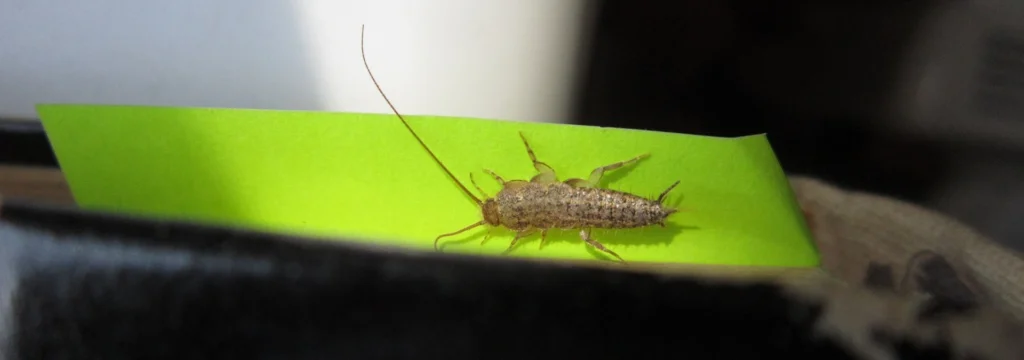
Silverfish are small, silvery insects that often establish themselves in bathrooms, kitchens or damp rooms. Although they are harmless and do not transmit diseases, many people find them disturbing and unhygienic. The nocturnal animals hide during the day in dark corners and only emerge after dark to search for food. Silverfish feed on carbohydrate-containing materials such as sugar, glue or paper and can therefore cause damage in the home. This text explains how to get rid of silverfish effectively, which home remedies help and how to prevent an infestation.
Why do silverfish occur?
Before taking measures against silverfish, it is important to understand why they appear in the dwelling at all. Silverfish prefer warm, humid and dark environments, which is why they are common in bathrooms, kitchens, basements or storage rooms. They thrive particularly when the relative humidity is above 70% and temperatures range between 20 and 30 degrees Celsius.
The most common causes of a silverfish infestation include:
- High humidity: Silverfish prefer moist environments. Poorly ventilated dwellings, leaking water pipes or mold formation provide ideal conditions for the insects.
- Warmth: Silverfish favor warm rooms. Heating niches, underfloor heating or warm pipes are therefore common locations.
- Food sources: The insects feed on starchy and sugary materials, such as paste, paper, skin flakes or mold. When such food sources are easily accessible, they attract silverfish.
Measures for combating silverfish
Silverfish are persistent but can be controlled with various means. There are both chemical and natural methods. It often makes sense to start with gentler methods before moving to stronger agents.
1. Hygiene and cleanliness
The first step to getting rid of silverfish is a thorough cleaning of the affected rooms. Remove all potential food sources such as crumbs, dust or paper waste, and avoid leaving damp towels or clothing lying around.
- Regular ventilation: Ventilate rooms regularly to reduce humidity. Especially in the bathroom and kitchen, ventilate after showering or cooking to remove moist air.
- Keep surfaces dry: Keep floors and surfaces dry. After showering or bathing, wipe floors and walls dry to deprive silverfish of their habitat.
- Dispose of waste: Do not store garbage and food scraps openly; dispose of them regularly to avoid attracting the insects.
2. Home remedies against silverfish
There are several home remedies that have proven effective against silverfish. These methods are particularly gentle and environmentally friendly.
- Baking powder and sugar: Mix baking powder with sugar in a 1:1 ratio and sprinkle the mixture in the affected areas. The sugar attracts the silverfish, while the baking powder causes them to perish.
- Potato traps: Silverfish are attracted to starchy foods, and a raw potato makes a tempting bait. Halve a potato and place it cut-side down on a damp cloth. The insects crawl into the potato at night, and in the morning you can dispose of the trap along with the silverfish.
- Lavender oil: Silverfish dislike strong scents, and lavender oil is a natural repellent. Soak a few cotton balls with lavender oil and place them in the corners where you suspect silverfish. The scent will keep the insects away.
- Vinegar water: Wipe floors and surfaces with a mixture of water and vinegar. The acidic smell of the vinegar deters silverfish and makes the environment unattractive to them.
3. Silverfish traps
Another option for combating silverfish are specialized adhesive traps available in hardware stores or drugstores. These traps contain attractants that draw the insects. Once they crawl onto the trap, they become stuck to the adhesive surface and perish.
- Placing the traps: Place the traps near suspected nesting sites, for example under the sink, behind the toilet, or in the kitchen. Be sure to check and replace the traps regularly.
4. Chemical control agents
If home remedies and traps do not achieve the desired result, you can resort to chemical agents. Insect sprays and powders against silverfish are generally effective. However, you should exercise caution when applying them, especially if children or pets live in the household.
- Insect sprays: These sprays contain active ingredients that kill silverfish. Spray the product into corners, crevices, and behind furniture where the insects might hide.
- Insecticidal powder: Insecticidal powder can be scattered into hard-to-reach areas, such as cracks or crevices. The powder adheres to the bodies of silverfish and kills them when they ingest it.
Prevention against reinfestation
After you have successfully controlled the silverfish, you should take measures to prevent reinfestation. Silverfish will only return if they find ideal conditions in your home.
1. Reduce humidity
Because silverfish prefer damp environments, it is important to permanently lower the humidity in the affected rooms. Use a dehumidifier if necessary to improve the indoor climate.
- Ventilation: Regular ventilation is the simplest and most effective method to remove moisture from rooms. Especially after showering or cooking, open windows and doors to let the moist air out.
- Prevent mold: Watch for signs of mold and act immediately if you discover it. Mold spores provide a food source for silverfish and promote their reproduction.
2. Seal cracks and crevices
Silverfish like to hide in small cracks and crevices in walls, floors, or under furniture. To remove their hiding places, you should seal these gaps.
- Renew grout/seals: Check the seams in bathrooms and kitchens for cracks and renew them if necessary to keep out moisture and silverfish.
- Seal gaps: Seal all cracks in walls, baseboards and floors with appropriate material to remove retreat sites for silverfish.
3. Regular cleaning
Regular and thorough cleaning of your living areas helps keep silverfish away. Vacuuming and mopping remove potential food sources, and a clean environment does not provide attractive conditions for the insects.
- Keep floors and corners clean: Vacuum and mop floors regularly, especially in corners and under furniture where dirt and moisture can accumulate.
- Keep kitchen clean: Ensure your kitchen is kept clean and dry. Food should always be well sealed and crumbs removed immediately to deny silverfish food sources.
When should a professional be consulted?
In most cases, silverfish can be successfully controlled using the methods described. However, if a heavy infestation persists despite all measures or the insects spread to other areas of the apartment, it may be advisable to involve a pest control professional. A specialist can analyze the infestation in greater detail and implement targeted measures to resolve the problem in the long term.
Conclusion
Silverfish are annoying but can be effectively controlled with the right methods. It is important not only to remove the insects themselves but also to address the underlying causes of the infestation. A combination of hygiene, home remedies and, where appropriate, chemical agents can successfully eliminate silverfish. Preventive measures such as regular airing, sealing gaps and thorough cleaning also help prevent a recurrence.