
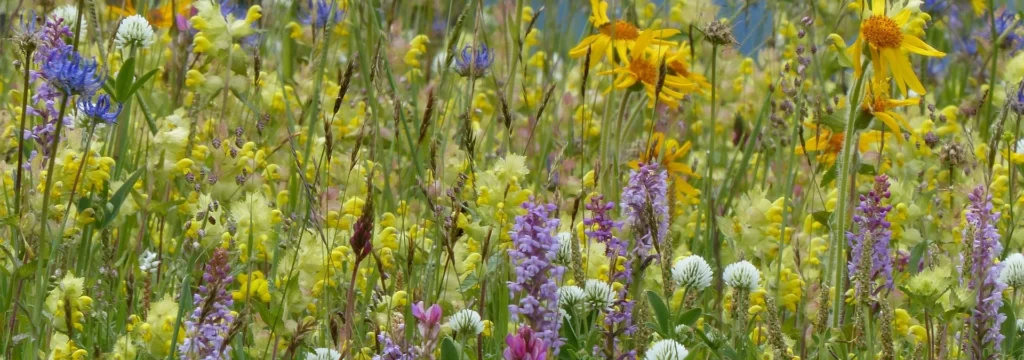
The International Day for the Preservation of Biodiversity is observed each year on 22 May. This awareness day was established by the United Nations to highlight the critical importance of biodiversity for life on Earth. Biodiversity is not only a term for biologists; it is a central part of our daily lives, our food, health, and prosperity. In this article you will learn why biodiversity is so important, which challenges threaten it, and how you can actively contribute to biodiversity conservation.
What does biological diversity mean?
The term “biological diversity” encompasses the full range of life on Earth — from microscopic organisms to plants and animals to complex ecosystems. It is divided into three levels:
- Genetic diversity: Differences within a species, e.g., different varieties of apples or flowers.
- Species diversity: The variety of animal, plant, and fungal species worldwide.
- Ecosystem diversity: Habitats such as foRESTs, oceans, deserts, or peatlands.
The more diverse an ecosystem is, the more resilient it is to disturbances such as climate change, diseases, or human interventions. Biodiversity not only secures the stability of nature but also the foundation of human livelihoods.
Why is there a dedicated day for biodiversity?
The International Day for Biological Diversity was established in 1993 by the UN and has been observed annually on 22 May since 2000 — the anniversary of the entry into force of the Convention on Biological Diversity (CBD). The day is intended to raise awareness of the importance of biodiversity and to call for the protection and sustainable use of natural resources.
Through this awareness day, the UN aims to motivate not only governments but also companies, educational institutions, and private individuals to commit to biodiversity. The loss of biodiversity is among the greatest ecological crises of our time — and affects us all.
Causes of species extinction
The decline of biological diversity is a global problem caused by a variety of human activities. The causes of species and habitat loss are:
- Destruction of natural habitats through agriculture, urbanization, etc.
- Climate change, which alters habitats or makes them uninhabitable
- Pollution of the environment, e.g. from waste, pesticides or wastewater
- Overexploitation of resources, such as overfishing or poaching
- Introduction of invasive species that displace or threaten native species
These factors often act together and reinforce one another. The consequences are dramatic: according to the Intergovernmental Science-Policy Platform on Biodiversity and Ecosystem Services (IPBES), more than one million species worldwide are threatened with extinction — many within the next few decades.
Why is biodiversity important for us humans?
Biodiversity is not a „luxury of nature“ but an essential component of our survival. Here are some examples of how it affects us in everyday life:
- Food security: A large diversity of crops and livestock secures nutrition and makes our agriculture more resilient to pests and diseases.
- Climate mitigation: Healthy ecosystems such as forests or peatlands store large amounts of CO₂ and help slow climate change.
- Water and air quality: Intact ecosystems naturally purify water and air.
- Economic foundations: Fisheries, forestry, tourism and many other sectors depend directly on a functioning natural environment.
Protecting biodiversity is therefore not only an ecological concern but also an economic and health issue — both locally and globally.
What are the objectives of Biodiversity Day?
Biodiversity Day pursues several core objectives:
- Raise awareness: People worldwide should understand why biodiversity matters and what threatens it.
- Create political pressure: Governments should be urged to strengthen and implement laws for biodiversity protection.
- Promote action: Citizens should be motivated to act themselves — in daily life, at work, or through political engagement.
- Disseminate scientific findings: The day also serves to present new research results on species loss.
Each year the day has a specific theme. Examples of past themes are „Our biodiversity, our food, our health“ or „Building a shared future for all life“.
What can each individual do to protect biodiversity?
Although many causes of biodiversity loss are global and complex, every person can contribute in everyday life:
- Practice nature-friendly gardening: Those with a garden or balcony can create valuable habitats with native plants, wildflowers, insect hotels and by avoiding pesticides.
- Shop sustainably: Products from regional agriculture, certified wood products or sustainable fisheries support a more environmentally friendly economy.
- Avoid plastic: Less single-use plastic protects habitats on land and in water.
- Eat regional and seasonal: That reduces the environmental impact.
- Get involved: Support nature conservation organizations, sign petitions or take part in campaigns and activities.
- Education and awareness-raising: Talk about biodiversity with friends, family and on social networks and share knowledge.
Examples of successful projects for biodiversity conservation
Around the globe there are numerous positive examples of how species have been successfully protected or even restored:
Restoration of river landscapes: Projects such as on the Isar or the Elbe create new habitats for fish, birds and insects.
Protection of pollinators: Programs for bees and wild bees create more flowering areas and natural pollinators in agriculture.
Marine protected areas: Large protected areas in the oceans help fish stocks recover and preserve coral reefs.
These examples show that species conservation is effective – when it is taken seriously, supported politically and backed by society.
Conclusion: The Day for the Conservation of Biodiversity concerns us all
The International Day for the Conservation of Biodiversity is more than a calendar entry – it is an urgent reminder of our responsibility for life on Earth. Biodiversity means more than just attractive nature photos or exotic animals – it is the invisible web that holds our world together. Every intervention, every decision and every act of consumption has an impact on this web.
It is up to all of us to preserve this web — through deliberate choices, political engagement and respect for nature. 22 May offers the perfect opportunity to engage with the issue, learn something new and take action. Only together can we preserve the diversity of life on our planet — for ourselves, for future generations and for the Earth itself.