
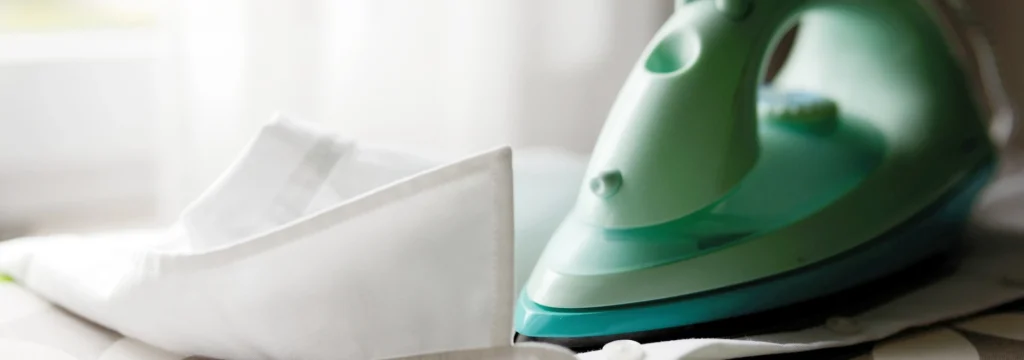
Ironing is one of the basic household tasks essential for a neat and professional appearance. Although many find it tedious, with the right techniques and tools it is efficient and straightforward. In this article you will learn why ironing matters, which techniques are suitable for different fabrics, and how to achieve the best results with practical tips.
Why is ironing important?
Ironing creates a tidy appearance by removing creases and smoothing textiles. In addition, the heat from the iron improves garment hygiene by killing germs and bacteria. Regular ironing can also preserve the fibres of fabrics and extend their service life, since smooth textiles are less prone to wear. Ironing is especially important for professional clothing such as shirts, blouses or trousers to maintain a well-groomed impression.
Preparation before ironing
Good preparation makes ironing considerably easier. First read the care label on the garment to determine the recommended ironing temperature. Sort the laundry by fabric type and start with delicate materials such as silk or synthetics, which require a low temperature. Set up your workstation by using a stable ironing board and filling the iron with distilled water to avoid limescale deposits. Make sure the iron is clean so it does not leave stains on the clothing.
The correct ironing temperature
The care label on your clothing indicates the recommended ironing temperature. Fabrics such as cotton and linen can be ironed at high temperatures, while delicate materials like silk, wool or synthetics require low temperatures. A common symbol on the label is the iron with one to three dots: one dot denotes low, two medium and three high temperatures. Avoid excessively high temperatures, as they can damage sensitive fabrics.
Techniques for different fabrics
Each fabric requires a specific ironing technique to achieve optimal results. Cotton is robust and tolerates high temperatures. Iron it slightly damp to smooth creases more quickly. Linen is also heat-resistant but should be ironed from the reverse side to avoid shine. Silk is delicate and requires a low temperature; use a thin cloth between the iron and the fabric to protect the material. Wool should be ironed with medium heat and a damp cloth, otherwise it may felt. Synthetic fabrics such as polyester require a low temperature and should be ironed slowly without pressure.
Ironing with steam
Steam makes ironing significantly easier because it loosens the fibers and removes creases more quickly. Modern steam irons offer integrated steam functions that make ironing more efficient. For delicate fabrics, you can hold the iron a few centimeters above the fabric and allow only the steam to act. More robust fabrics such as linen or cotton benefit from a targeted steam burst that removes even stubborn wrinkles. Use distilled water in the steam iron to avoid limescale deposits.
Ironing sequence and special techniques
To save time and achieve an even result, the correct ironing sequence is essential. Iron shirts first at the collar, then the cuffs, followed by the sleeves and finally the body. Trousers are best ironed by smoothing the waistband first and then the legs. For delicate fabrics, place a damp cotton cloth between the iron and the textile to prevent shine and heat damage. Hang freshly ironed garments immediately to prevent new creases from forming.
Avoiding ironing mistakes
A common mistake is using temperatures that are too high, which can damage delicate fabrics. Always read the care label and set the temperature accordingly. Do not leave the iron on one spot for too long, as burn marks can occur. A dirty iron can leave stains, so regular cleaning is important. Avoid ironing dry linen or cotton fabrics, as they are harder to smooth; dampen them slightly to make the process easier.
Sustainable ironing
Ironing can be energy-intensive, but simple measures can reduce energy consumption. Iron garments with similar temperature requirements consecutively to save time and energy. Use the iron’s residual heat to press smaller items such as handkerchiefs. Invest in an energy-efficient iron that consumes less power. For example, use Sonett spray starch and ironing aid, as this simplifies ironing. By hanging clothes immediately after washing, you can avoid many wrinkles and reduce the ironing effort.
Ironing alternatives
If you have little time or want to avoid ironing, there are practical alternatives. A handheld steamer is ideal for quickly and gently smoothing garments. It is particularly suitable for delicate fabrics and travel clothing. For wrinkle-resistant clothing, choose materials such as polyester blends that require less care. A dryer with an anti-crease function also helps to minimize wrinkles. Hang clothing immediately after drying to reduce the need for ironing.
Tips for faster ironing
Iron clothing while it is still slightly damp, as wrinkles can be removed more easily this way. Use spray bottles to lightly dampen dry fabrics. Fold large textiles such as bed linen on the ironing board to smooth them section by section. Iron light-colored garments on the reverse side to avoid shiny spots. Store clothing carefully to minimize the reappearance of wrinkles.
Conclusion
Ironing is an essential task to keep clothing neat and durable. With the right preparation, appropriate iron temperature and specific techniques for different fabrics, ironing becomes efficient and stress-free. Modern steam irons and practical alternatives such as handheld steamers further simplify the process. Sustainable ironing saves energy and protects the environment, while wrinkle-free clothing contributes to a tidy and professional appearance. With these tips, ironing turns from a tedious chore into a simple and satisfying routine.