
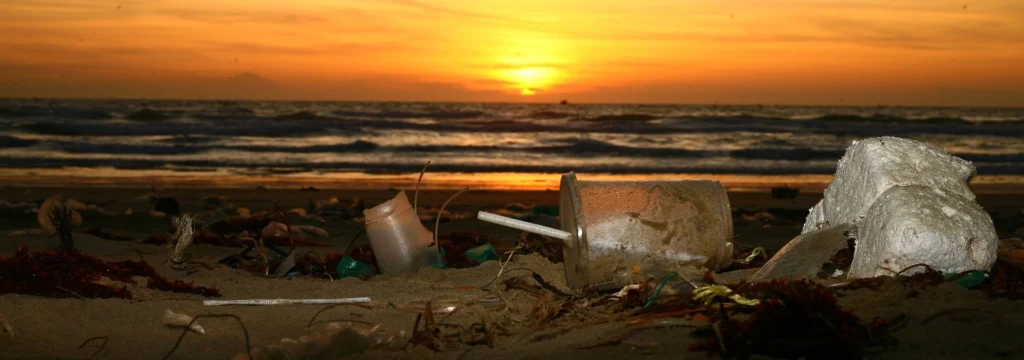
The sea is an essential component of our planet. It provides food and oxygen and plays an important role in the climate system. However, in recent decades the sea has changed significantly due to human influence. One of the greatest threats to the sea is the increasing pollution from plastic waste.
Causes of marine litter pollution
Pollution of the sea by plastic waste has multiple causes. A primary cause is the improper disposal of plastic waste. Often this waste ends up in the sea through negligence or lack of knowledge. Plastic waste also reaches the sea from industry and shipping. Particularly dangerous are the so‑called microplastic particles, which are contained in many cosmetic products and enter the sea via wastewater. Other causes range from careless tourists to illegal disposal practices.
Industrial waste
One of the main causes of marine litter pollution is the disposal of industrial waste, which often contains toxic chemicals and heavy metals. The production and use of plastics are also a significant source of waste and plastic debris that can enter the sea.
Careless tourists
Tourists are often careless with their waste and leave it on the beach or throw it into the sea. Especially in popular holiday destinations, beaches and the sea can quickly be overwhelmed with litter.
Fishing waste
Fishing is an important economic sector, but it also generates large amounts of waste. Fishing nets, lines and baskets are often non-recyclable and are frequently discarded carelessly into the sea.
Illegal disposal practices
Illegal disposal practices such as pumping wastewater and waste directly into the sea or scuttling ships are further causes of marine litter pollution. These practices are often carried out by companies or shipping lines to save money and circumvent regulations.
Natural disasters
Natural disasters such as hurricanes and tsunamis can also contribute to litter pollution by washing waste into the sea and damaging ships or offshore platforms.
Impacts of marine litter pollution
Pollution of the sea by plastic waste has serious impacts on the marine ecosystem. Many animals, such as fish, turtles and birds, ingest plastic fragments because they mistake them for their natural prey. As a result, animals can die or suffer impaired health. Microplastics can also enter the food chain and thus harm humans.
Plastic pollution in the underwater environment has increased dramatically in recent years. An estimated 8 million tonnes of plastic enter the oceans each year, with devastating effects on marine life.
How does plastic enter the oceans?
Most plastic debris in the oceans originates from land-based sources, for example from the disposal of plastic bags, bottles and packaging. Wind and rain wash this waste into rivers and streams that ultimately flow into the sea. Loss of fishing gear, such as nets and lines, also contributes to the pollution.
Effects on the underwater environment
Plastic in the sea can be a lethal trap for fish, whales, turtles and other marine animals. Animals often mistake plastic for food, which can lead to blockages or death. Other animals become entangled in plastic nets and lines and drown or suffocate.
Long-term consequences
The long-term consequences of plastic pollution in the underwater environment are not yet fully known, but it is clear that it has negative effects on the entire ecosystem. Microplastic particles, resulting from the breakdown of larger plastic items, can be taken up by microorganisms, leading to accumulation in the food chain.
Solutions
It is important to reduce the use of single-use plastics and switch to environmentally friendly alternatives such as reusable bottles and bags. Waste management of plastic must also be improved to prevent it from reaching the oceans.
Governments and companies must also take measures to reduce plastic pollution. One approach is to enact laws RESTricting single-use plastic products and to promote the development of more environmentally friendly alternatives.
There are several approaches to combating marine litter pollution. One of the most important, as mentioned, is reducing plastic waste by avoiding plastic packaging and using reusable products. Improving waste collection and disposal systems and better public education can also help. In addition, there are innovative technologies, such as specialized floating platforms that can remove debris from the sea.
1. Avoid single-use products
Single-use products such as plastic bags, cutlery, straws or bottles should be avoided. It is preferable to use reusable alternatives, for example cloth bags, reusable cutlery or drinking bottles made of stainless steel or glass.
2. Recycling
Recycling is an important measure to reduce the amount of waste. In particular, plastics should be recycled because they take a very long time to break down in the environment.
3. Waste separation
Waste separation is a simple way to reduce waste while conserving raw materials. Every household should have a waste-separation system to dispose of paper, glass, plastics and organic waste separately.
4. Avoiding waste in everyday life
There are also ways to avoid waste in everyday life. For example, food waste can be avoided by buying only as much as is actually needed. Using reusable diapers or repairing items instead of discarding them can also help reduce waste.
5. Political measures
Policy can also make an important contribution to waste prevention. Laws and regulations can ban or tax single-use products or unnecessary packaging. Expanding recycling infrastructure can also be advanced through political measures.
6. Promoting environmental awareness
To reduce waste pollution in the long term, it is important to promote environmental awareness in society. Educational institutions can help sensitize children and young people to environmental issues. Companies should also be motivated to implement targeted environmental protection measures.
7. Supporting environmental organizations
There are numerous environmental organizations that work on waste prevention and the protection of the oceans. Financial or non-material support can help these organizations continue and expand their work. Waste prevention is a complex, long-term challenge that requires a change of mindset in society and in politics.
Conclusion
Pollution of the sea by plastic waste is one of the greatest threats to the marine ecosystem and thus to humans as well. It is important that each individual does their part to reduce waste pollution. Only in this way can we secure a sustainable future for the sea and for ourselves.
To protect the marine environment, we must be aware of how we dispose of our waste and the impact our actions have on nature. It is important that we all contribute by reducing, reusing and properly disposing of waste.