
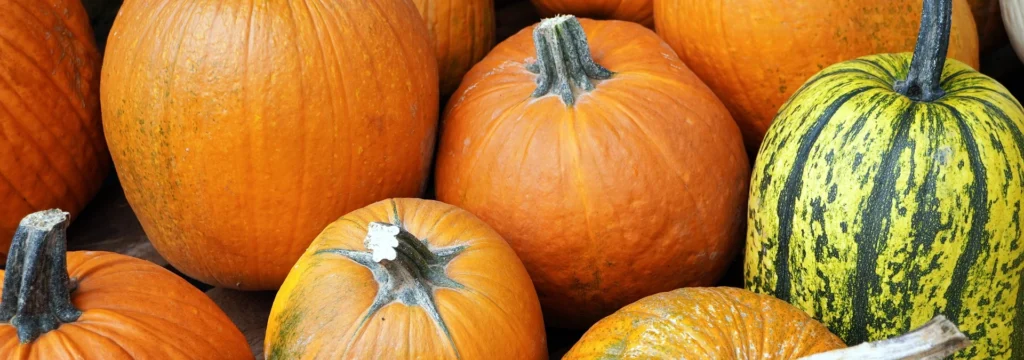
Pumpkins are a symbol of autumn and are especially popular from September to November. Whether as decoration for Halloween, an ingredient in autumn dishes, or the basis for creative recipes – the pumpkin fruit is versatile. But they are not only decorative; they are also a true nutrient powerhouse. In this text you will learn everything worth knowing about pumpkins: their history, their range of varieties, their health benefits and, of course, tips for preparation.
Origin and History of the Pumpkin
Pumpkins belong to the family Cucurbitaceae (gourd family) and have a long history. They originally come from Central and South America, where they have been cultivated for over 10,000 years. In Aztec and Native American cultures they played an important role in the diet. With the discovery of America by Europeans they reached Europe in the 16th century, where they were initially valued as ornamental plants before their culinary value was recognized.
Today pumpkins are cultivated around the world and are indispensable in autumn cuisine. Especially in North America they are an integral part of the culture, primarily through the famous Thanksgiving celebration, at which pumpkin pie (Pumpkin Pie) is traditionally served.
Various Pumpkin Varieties
There are numerous pumpkin varieties that differ in taste, texture and use. The best-known varieties are:
- Hokkaido pumpkin: The Hokkaido pumpkin originates from Japan and is today one of the most popular edible pumpkins. It has a bright orange skin that you do not need to remove when cooking, which makes preparation particularly simple. Its nutty, slightly sweet flavor is excellent for soups, purées and casseroles.
- Butternut squash: The Butternut squash has a pear-like shape and a cream-colored skin. Its flesh is firm and has a slightly buttery, sweet taste. It is therefore well suited for baking, for purées and in savory stews.
- Muscat pumpkin: This variety has a slightly ribbed, green to brown skin and is among the largest pumpkins. Its flesh is very aromatic and has a nutmeg-like note, which is why it is often used for soups but also for desserts.
- Spaghetti squash: The spaghetti squash has a yellowish skin and is distinguished by its special texture. After cooking its flesh breaks into thread-like fibers that resemble spaghetti. It is therefore often used as a low-carbohydrate alternative to pasta.
- Ornamental pumpkins: Ornamental pumpkins are not suitable for consumption, as they usually taste bitter and can contain toxic substances. They are mainly used for decoration in autumn and at Halloween.
Health benefits
Pumpkins are not only versatile in the kitchen but also very healthy. They contain many nutrients that have a positive effect on health:
- Low calorie content: Pumpkin is low in calories and is therefore suitable for a healthy diet. 100 grams of pumpkin flesh contain on average only about 25 calories.
- High content of vitamins and minerals: Pumpkins are rich in vitamin A, which is important for vision, the immune system and skin health. They also provide vitamin C, which strengthens the immune system, as well as potassium, which regulates blood pressure.
- Antioxidants: Pumpkins contain many antioxidants, such as beta-carotene, which help combat free radicals in the body. As a result, they can contribute to the prevention of cardiovascular diseases and certain types of cancer.
- Dietary fiber: The high fiber content supports healthy digestion and promotes a long-lasting feeling of satiety.
- Pumpkin seeds: The seeds of the pumpkin are also very healthy. They are rich in healthy fats, magnesium and iron. Pumpkin seeds can be roasted and used as a snack or in salads.
Pumpkin in the kitchen
Pumpkins are extremely versatile and can be prepared in many different ways. Whether savory or sweet – pumpkin dishes are perfect for autumn and winter cuisine.
1. Pumpkin soup
One of the most popular pumpkin dishes is pumpkin soup. The Hokkaido pumpkin is particularly suitable, as its skin can be cooked with. For a simple pumpkin soup you will need:
- 1 Hokkaido pumpkin
- 1 onion
- 2 cloves of garlic
- 1 liter vegetable broth
- Salt, pepper and nutmeg
- A little cream or coconut milk
Preparation is simple: Chop the pumpkin, onion and garlic, sauté briefly in a little oil, pour in the broth and cook until soft. Then puree everything and season to taste.
2. Pumpkin from the oven
Oven-roasted pumpkin is another simple preparation method. Especially butternut or Hokkaido pumpkins are well suited for baking. For this, cut the pumpkin into slices or cubes, marinate with olive oil, salt and herbs such as rosemary or thyme, and roast in the oven at 200 degrees Celsius for about 30 minutes. Oven-roasted pumpkin works as a side for meat dishes or can be served as a vegetarian main course.
3. Pumpkin purée
Pumpkin purée is the basis for many autumn dishes, such as pumpkin gnocchi or pumpkin cake. For this, the pumpkin is boiled or baked in the oven and then puréed. The purée can be refined with spices such as cinnamon, ginger and nutmeg and is suitable for both savory and sweet dishes.
4. Pumpkin pie
In the USA, the pumpkin cake, also called Pumpkin Pie, is a classic dessert at Thanksgiving. For this, the pumpkin purée is mixed with sugar, eggs and spices into a filling and baked in a shortcrust pastry base. Pumpkin pie is also becoming increasingly popular in Europe and is perfect for a cozy autumn afternoon.
Pumpkins as decoration
Besides their culinary use, pumpkins are also a popular decorative item in autumn. Especially at Halloween, pumpkin carving is a widespread tradition. The pumpkin is hollowed out and carved with a knife into a spooky face. With a candle inside, the pumpkin becomes a glowing lantern placed in front of the house.
Ornamental pumpkins are also commonly used to decorate autumn wreaths, table centerpieces or windowsills. The small, colorful varieties are particularly popular because they are available in a range of colors and shapes.
Storage of pumpkins
Pumpkins store well, which makes them an ideal autumn fruit. Especially the larger varieties, such as muscat or butternut pumpkin, can remain good for several months when stored cool and dry. Pumpkins should ideally be stored at temperatures between 10 and 15 degrees Celsius, for example in a cool cellar.
Conclusion
Pumpkins are not only a seasonal symbol but also an extremely versatile fruit. Whether as soup, roasted vegetables or dessert — pumpkins offer a variety of preparation options and are also healthy. In addition, they are an attractive decoration that enhances the autumnal home. With their long shelf life, pumpkins are a perfect companion through autumn and the winter months.