
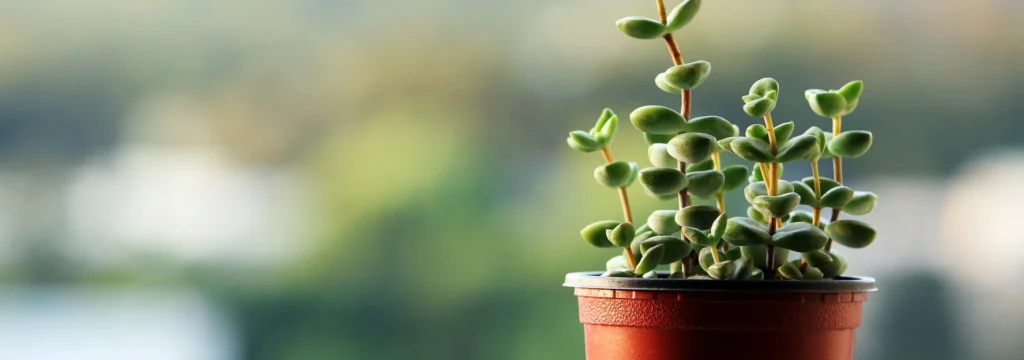
Repotting plants is a fundamental maintenance task that helps plants grow healthily and vigorously. It ensures the roots have sufficient space to expand and the plant can take up adequate nutrients. In this text we will explain the reasons for repotting, the optimal timing, the required materials, the individual steps, as well as tips and tricks for successful plant repotting.
Why repot plants?
There are several reasons why repotting plants is necessary:
- Root growth: Over time the roots fill the entire pot and no longer have room to expand. This can inhibit the plant’s growth.
- Nutrient supply: The nutrients present in the substrate are depleted over time. Fresh soil supplies the plant with new nutrients.
- Soil quality: The structure and quality of the substrate deteriorate over time. Fresh soil improves drainage and air circulation in the root zone.
- Disease prevention: Old substrate can harbor pathogens and pests. Repotting reduces the risk of disease.
The best time to repot
The ideal time to repot depends on the plant species and its growth phases:
- Spring: For most plants, spring is the best time to repot. Plants are in a growth phase and can adapt quickly to the new environment.
- After flowering: Some flowering plants should be repotted after flowering to avoid disturbing them during bloom.
- Not during dormancy: Avoid repotting during the plant’s dormancy period, often in winter, since they respond less well to changes at that time.
Materials and tools
You will need the following materials and tools for repotting:
- New pot: Choose a pot slightly larger than the old one. Ensure it has drainage holes.
- Fresh substrate: Use high-quality potting soil matched to the needs of the specific plant.
- Hand trowel: For filling the soil.
- Watering can: To water the plant after repotting.
- Scissors or knife: For trimming roots, if necessary.
- Gravel or terracotta shards: To improve drainage in the new pot.
Step-by-step guide to repotting
- Preparation: Ensure that all required materials and tools are available. Water the plant thoroughly one or two days before repotting.
- Removing the plant: Turn the old pot upside down and tap the bottom gently to loosen the plant. Hold the plant by the lower stem while doing so.
- Root inspection: Inspect the roots for rot or damage. Cut away dead or rotten roots with clean scissors.
- New pot: Fill the new pot one third with fresh potting mix. If needed, place a layer of gravel or terracotta shards on the bottom to improve drainage.
- Place the plant: Place the plant centrally in the new pot and carefully fill the pot with fresh soil. Press the soil lightly to avoid air pockets.
- Watering: Water the plant thoroughly to settle the substrate and provide moisture to the roots.
Tips and Tricks
- Pot size: Choose a pot that is about 2-4 cm larger in diameter than the old one. A pot that is too large can lead to waterlogging.
- Soil mix: Use a soil mix suited to the plant. Succulents, for example, require well-draining soil, while orchids prefer an airy, coarse mix.
- Drainage: Always ensure good drainage to avoid root rot. Use pots with drainage holes and place a layer of gravel or terracotta shards on the bottom of the pot.
- Gentle handling: Handle the roots carefully to avoid damage. Prune only dead or diseased roots.
- Adjustment period: After repotting the plant needs time to acclimate to its new environment. Place the plant in a sheltered location and avoid direct sunlight for a few days.
Common mistakes when repotting
- Pot too large: A pot that is too large can cause the soil to remain wet for too long, which can lead to root rot.
- Planting too deep: Do not set the plant deeper in the soil than it was previously growing. This can lead to stem rot.
- Insufficient watering: After repotting it is important to water the plant thoroughly to close air pockets and moisten the roots.
- Wrong soil: Always use the appropriate soil for the specific plant species. The wrong soil mix can impair growth and promote disease.
Aftercare
After repotting, correct care is crucial to ensure the plant recovers well and continues to grow:
- Watering: Keep the soil evenly moist, but avoid waterlogging. Water regularly, but do not overdo it.
- Position: Place the plant in a bright but not directly sunny spot until it has adapted to the new environment.
- Fertilizing: Resume fertilizing only after a few weeks, as fresh soil often provides sufficient nutrients for the initial period.
Conclusion
Repotting plants is an important measure to ensure healthy growth and longevity. With the right preparation, suitable materials and careful execution, you can ensure your plants are optimally cared for. Observe the tips and tricks as well as the common mistakes to carry out the repotting process successfully. This will help you keep your plants healthy and vigorous for a long time.
More posts of interest