
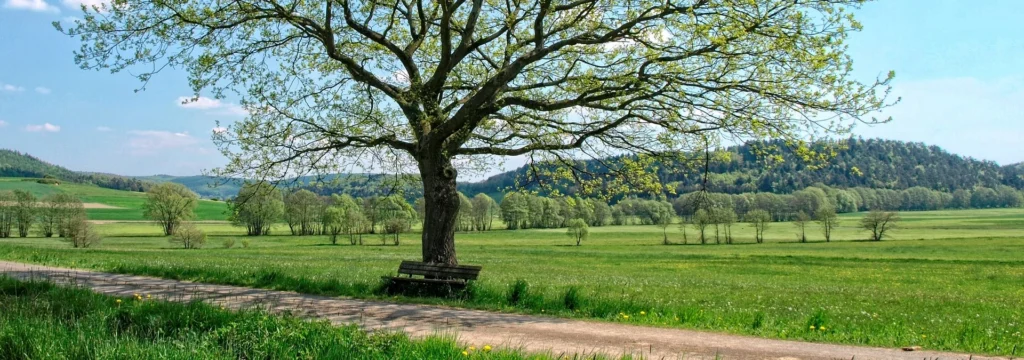
The month of May is considered one of the most beautiful months of the year. With its blooming landscapes, longer days and mild temperatures, it is defined by spring and new beginnings. In many cultures, May is a month of festivals, customs and special events. Whether in nature, the garden, traditional practices or everyday life – it captivates through variety and vitality. This article provides everything you need to know about the month of May, its significance, traditions and characteristics.
Why May is so special
It is the fifth month in the Gregorian calendar and has 31 days. It falls in the middle of spring and is often perceived as the peak of the spring season. Nature is now in full bloom, temperatures rise pleasantly, and many people spend more time outdoors again. It is a time of awakening and renewal – both in nature and in human life.
In May the so-called Wonnemonat time begins. The word “Wonne” comes from Old High German and means something like joy or happiness – and that is exactly what May embodies: joie de vivre, a spirit of departure and harmony.
May in nature
Nature shows itself at its best in May. Trees come into full leaf, flowers bloom in vivid colors, and wildlife is more active than at almost any other time. Particularly striking are the colours of tulips, lilac, lily of the valley and other spring flowers.
In horticulture too, May is an important month. The so-called “Eisheilige” in mid-May mark the point from which frost-sensitive plants can be planted outdoors. This is the high season for amateur gardeners – for planting vegetables, herbs and summer flowers.
Weather and climate
May usually brings mild temperatures between 15 and 25 degrees Celsius. In Central Europe it is characterised by changeable but increasingly stable weather. Typical are sunny days with short showers – ideal for growth in nature. The sun sets noticeably later in May, resulting in longer days and more leisure time in daylight.
Customs and holidays
May is rich in holidays and traditional festivals. Many of these customs have pagan or Christian origins and are still observed today.
1. May Day (01.05) – Labour Day
May 1st is a public holiday in many countries and is celebrated as Labour Day. It originally arose from the workers‘ movement of the 19th century and today is often used for political rallies, but also as a day off for excursions and relaxation.
2. Dance into May
The night from 30.04 to 01.05 is traditionally celebrated as „Tanz in den Mai“. In many regions there are May festivals focused on music, dancing and convivial gatherings. Particularly well known is the erection of the Maypole, a decorated tree trunk regarded as a symbol of spring and fertility.
3. Mother’s Day
Mother’s Day is celebrated in Germany on the second Sunday in May. It is a day to honour all mothers and is usually observed with flowers, small gifts or shared activities.
4. Ascension Day and Father’s Day
Ascension Day also falls in May and is celebrated 40 days after Easter. In Germany this day is also Father’s Day, when men traditionally go on outings or hikes—often in convivial groups.
5. Pentecost
In some years Pentecost also falls in May. This Christian feast, celebrated 50 days after Easter, marks the coming of the Holy Spirit and is regarded as the birthday of the Church.
May in customs and culture
Many poems, songs and sayings revolve around the month. It is often used as a symbol of love, hope and new beginnings. Famous lines such as „Alles neu macht der Mai“ or „Der Mai ist gekommen“ illustrate the cultural significance of this month.
May is also frequently present in music and literature—typically in a romantic or life-affirming context. It stands for youth, a connection to nature and fertility.
May in the garden – tips for hobby gardeners
For garden enthusiasts it is a month full of possibilities. Now is the ideal time for:
- Sowing vegetables such as lettuce, carrots, zucchini and beans. Plants should also be fertilised. We recommend the ARIES Vegan Fertiliser.
- Planting summer flowers such as petunias, geraniums or begonias.
- Care of fruit trees that flower and are pollinated in May.
- Lawn care, since the grass now grows particularly quickly.
- Weed control, to keep beds clean and well maintained.
Compost can also be started or turned particularly well this month, as the higher temperatures accelerate the composting process.
Health and well-being
May often has a positive effect on mental and physical well-being. Increasing sunlight lifts the mood, stimulates vitamin D production and encourages more outdoor activity. Walks, bike rides or hikes through blooming landscapes strengthen the immune system and promote fitness.
The seasonal availability of fresh foods such as asparagus, strawberries or fresh herbs also contributes to a healthy diet.
Conclusion: A month full of possibilities
May stands for renewal, growth and vitality. With its abundance of nature, customs and cultural particularities, it is a distinctive month in the annual cycle. Whether you spend May in the garden, at festivals, on outings or simply enjoying nature – it offers numerous opportunities to experience life consciously and positively.