
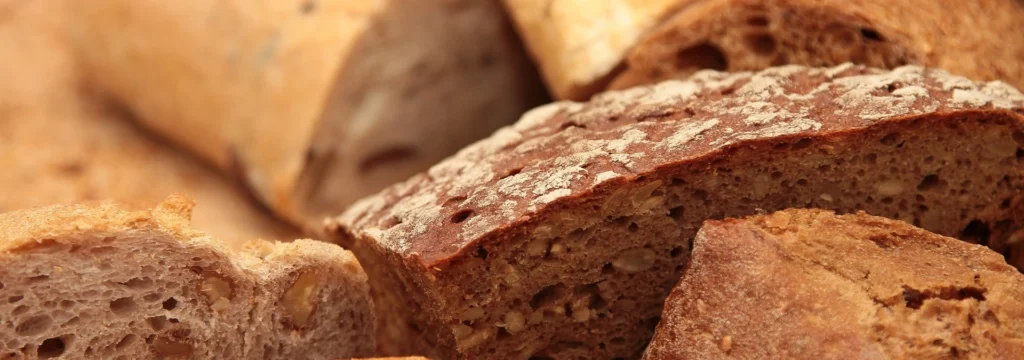
Tips for putting leftover bread to good use
Bread is a staple food and an important part of our diet. There are many different types of bread, from whole-grain and rye to white bread. Regional differences also play a role; for example, in Germany there are different bread varieties depending on the region. Bread is rich in carbohydrates, fiber, vitamins and minerals. It provides energy and contributes to a long-lasting feeling of satiety.
Unfortunately, bread leftovers often end up in the trash, which is not only wasteful but also has a negative impact on the environment. Fortunately, there are many creative ways to reuse bread leftovers and at the same time prepare tasty dishes.
Bread varieties: a range of flavor and texture
Bread is one of the oldest foods in the world and there are countless different types. Each variety has its own flavor and texture. Here are some of the best-known types of bread:
White bread
White bread is made from light flour and is light and airy. It has a delicate crust and a mild, neutral flavor. It is well suited for toast, sandwiches and as an accompaniment to savory dishes.
Whole-grain bread
Whole-grain bread is made from whole-grain flour and contains all parts of the grain. It has a firm, robust crust and a nutty flavor. It is rich in fiber, vitamins and minerals and works well as the base for rustic sandwiches or as an accompaniment to soups and stews.
Rye bread
Rye bread is made from rye flour and has a dark, robust crust and a moist, slightly sour flavor. It contains less gluten than wheat bread and is therefore suitable for people with gluten sensitivity. It pairs well with hearty toppings such as ham or cheese.
Pumpernickel
Pumpernickel is a very dark and dense type of bread made from coarsely ground rye. It has a mildly sweet flavor and is often served as an accompaniment to hearty dishes such as sauerkraut or goulash. Pumpernickel is low in fat and high in fiber.
Baguette
The baguette is a French type of bread made from wheat flour. It has a thin, crisp crust and a soft, airy crumb. It works well as an accompaniment to salads or as a base for sandwiches.
Focaccia
Focaccia is an Italian flatbread seasoned with olive oil and herbs. It has a soft, airy crumb and a crisp crust. It works well as an accompaniment to antipasti or as a base for pizza.
Brioche
Brioche is a French yeast pastry made with butter and eggs. It has a soft, buttery crumb and a thin crust. It is well suited as a base for sweet pastries such as Franzbrötchen or as an accompaniment to savory dishes.
These bread varieties are only a small selection of the diversity available. Each type has its own characteristics and is suitable for different dishes and occasions.
Refreshing stale bread
Stale bread is really too good to throw away! Instead, it can be made fresh and tasty again. There are several methods to refresh stale bread:
In the oven
Wrap the bread in aluminum foil and bake it in a preheated oven at about 180 degrees Celsius for 10–15 minutes. This RESTores the bread’s crispness and gives it a tasty crust.
In the steam oven
Wrap the bread in aluminum foil and steam it in a steam oven at 100 degrees Celsius for 10–15 minutes. Here too, the bread will regain its crispness and develop a tasty crust.
In the toaster
Slice the bread and toast it in a toaster or contact grill. Again, the bread will become crisp and develop a tasty crust.
As breadcrumbs
You can also process stale bread into breadcrumbs. Store the bread dry and, once it has hardened, grind it finely. You can then use the breadcrumbs for breading schnitzel, fish, or vegetables.
Bread crumbs for crispy dishes
We all know it: the bread from the day before or older is sitting around and has become hard. But before throwing it away, you can still use it in many ways. Bread leftovers are too good to discard. With a few simple tricks, stale bread can still be turned into a tasty dish.
Breadcrumbs are an excellent ingredient for many dishes, such as meatloaf, meat patties, or casseroles. Simply break the bread into small pieces and grind them into fine crumbs in a blender or by hand. You can then use the crumbs as a coating or as an ingredient in the dishes mentioned.
Leftover bread can be processed in many ways. Here are some ideas:
Croutons: Cut stale bread into small cubes and fry in a pan with a little oil until golden brown. The croutons make a tasty accompaniment to salads and soups.
Breadcrumbs: Break the stale bread into small pieces and grind in a food processor or by hand until breadcrumbs form. You can use these for breading meat, fish or vegetables.
Bread soup: Cut the stale bread into small pieces and soak in vegetable stock. Season with ingredients such as onion, garlic and thyme and purée. Bread soup is a warming and nourishing meal.
French toast: Soak stale bread in milk and eggs and fry in a pan. Serve with maple syrup and fresh fruit — a tasty breakfast or dessert.
Bread pudding: Cut stale bread into small pieces and soak in a mixture of milk, eggs, sugar and spices. Bake in a casserole dish in the oven and serve with vanilla sauce. A sweet dessert that warms the heart.
Bread as a Base for Bread Salad
Bread salad is a tasty dish made from stale bread and fresh ingredients such as tomatoes, cucumbers and herbs. Break the bread into small pieces and toast them in a pan with a little olive oil until golden brown. Then add the fresh ingredients and dress everything with a vinegar-and-oil dressing.
Bread as a Base for Bruschetta
Bruschetta is a classic Italian dish of toasted bread and tomatoes. The bread is sliced and toasted in a pan with a little olive oil until golden brown. Tomatoes, garlic and herbs are then spread on top and the whole is seasoned with a little salt and pepper.
Conclusion
Leftover bread is too valuable to throw away and can be processed in many ways. With a few simple techniques you can still make tasty dishes from stale bread. This not only saves money but also contributes to sustainability.
Overall, there are many creative ways to use leftover bread and create tasty dishes. With a little imagination and creativity, you can do a lot with stale bread.
More tips and tricks https://www.naturhaus.com/magazin/blog/