
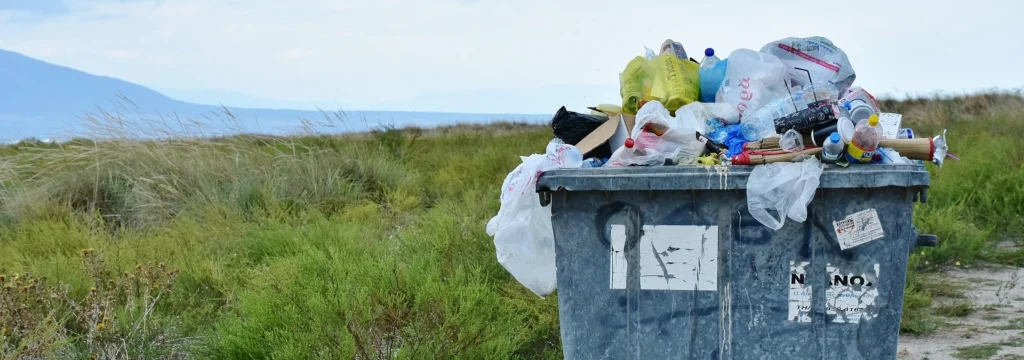
Proper waste separation is a crucial step toward a more sustainable and environmentally friendly future. By correctly sorting and disposing of waste, we can reuse valuable resources, protect the environment and reduce CO2 emissions. In many countries waste separation is already mandatory, yet there are still many misunderstandings about how and why waste should be separated correctly.
Why is waste separation important?
Waste separation offers several benefits for the environment and society. Through correct sorting, valuable raw materials such as paper, glass, plastic and metal can be recycled. This reduces the need to extract new resources and thereby protects natural habitats and reduces energy consumption.
Another important aspect is reducing waste in landfills. Recycling can relieve pressure on landfills, which decreases contamination of soil and water and improves air quality. The reduction of CO2 emissions through material reuse also contributes to climate protection.
How does proper waste separation work?
In many households there are different bins or containers for waste separation. Each type of waste belongs in a specific container. Here is a brief overview of how to separate waste correctly:
- Paper and cardboard
Paper, cardboard and cartons belong in the blue bin. This includes newspapers, boxes, packaging, paper sleeves and paper towels (provided they are not contaminated with oil or other harmful substances). - Plastic and composite materials
Plastic packaging and composites such as beverage cartons belong in the yellow bin or yellow sack. This includes, for example, plastic bottles, yoghurt cups and packaging made of aluminium and plastic. It is important that containers are rinsed out and disposed of without food residues. - Glass
Glass bottles and containers should be taken to the glass collection container. Note that colours (green, brown, clear) often need to be disposed of separately. Glass is a valuable raw material that can be reused almost indefinitely. - Organic waste
Organic waste goes into the brown bin or the compost. This includes food scraps, fruit and vegetable peels and plant waste. It is important that organic waste consists only of biodegradable materials and that no plastic bags are used. - Residual waste
Anything that does not fit into one of the categories above belongs in residual waste. This includes non-recyclable materials such as diapers, broken glassware, hygiene products or soiled paper. Residual waste should be disposed of regularly and without contaminants.
Avoiding mistakes in waste separation
Waste sorting can sometimes be confusing, especially when materials consist of multiple components or their composition is unknown. Here are some common mistakes to avoid when sorting waste:
- Contaminated waste: Waste often ends up in the wrong bin because it still contains residues of food or other substances. To ensure efficient recycling, waste should always be thoroughly rinsed and cleaned.
- Composite packaging: Packaging composed of different materials, such as Tetra Paks or Tetrapacks, should be disposed of correctly. These belong in the yellow bin, even though they consist of multiple components that are not all recyclable.
- Plastic bags in organic waste: Plastic bags should never be thrown into the organic-waste bin. Instead, food residues should be disposed of in a compostable container or without a bag.
The importance of recycling and re-use
Recycling is the process by which materials from the waste stream are reused instead of being sent to landfills. Recycling materials such as paper, glass, plastic and metal reduces the need for new raw materials and saves energy.
- Paper recycling: Recycling paper not only reduces waste but also decreases the number of trees that need to be felled to produce new paper. This protects foRESTs and the animals that live in them.
- Plastic recycling: Plastic can be recycled multiple times, reducing the need to produce new plastic. This saves raw materials and prevents pollution of seas and oceans.
- Glass recycling: Glass containers can be recycled repeatedly without loss of quality. That means nearly any glass bottle or jar can be reused.
Waste sorting in everyday life: tips for correct implementation
- Increase awareness: Inform yourself about the waste-sorting guidelines in your region, as these can vary between countries and municipalities.
- Reusable instead of disposable: Avoid single-use plastic by using reusable containers and bags. Buy products in reusable packaging, in bulk (which also reduces packaging waste), etc., and use glass bottles or stainless-steel containers.
- Waste reduction: Be mindful when purchasing food to avoid producing excessive waste. Reduce consumption of products that are unnecessarily packaged.
- Composting: If possible, you can also compost your organic waste at home. This reduces the waste that ends up in the brown bin and at the same time creates nutrient-rich compost for your garden.
Conclusion
Proper waste separation is an important component of waste management and a significant contribution to environmental protection. By separating waste correctly, we not only reduce the burden on landfills but also actively contribute to the recycling of resources. Each one of us can make a difference through simple measures. Waste separation is a step in the right direction toward a cleaner, greener and more sustainable future.