
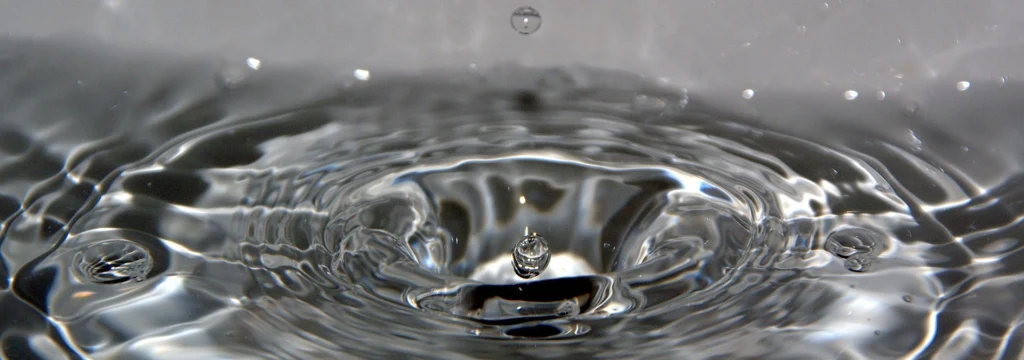
Water is an essential and scarce resource on Earth. Therefore we should all strive to save water wherever possible. Here are some tips for saving water:
Why is saving water important?
Water is a valuable resource that is limited on Earth. Therefore it is important to conserve water and use it responsibly. Here are some reasons why saving water matters:
1. Water scarcity
Although a large part of the Earth consists of water, only a small percentage is available for human use. Demand for water is steadily increasing while natural water resources are limited. By conserving water we help reduce water scarcity and ensure sufficient water for future generations.
2. Environmental protection
Water scarcity can also affect the environment. Many ecosystems depend on sufficient water to maintain their biodiversity. By saving water we help protect natural habitats and preserve the balance of ecosystems.
3. Energy savings
Water supply and treatment require significant amounts of energy. By conserving water we reduce energy demand and contribute to lower greenhouse gas emissions. In addition, heating water for personal use can account for a substantial portion of household energy consumption.
4. Cost savings
Saving water can also lead to lower water bills. By using water consciously and avoiding waste, we can reduce expenses and free up financial resources for other purposes.
5. Sustainable agriculture
Agriculture is one of the largest consumers of water. By saving water and promoting efficient irrigation methods in agriculture, we can help improve the sustainability of food production and reduce water use in this sector.
It is important that we all contribute to saving water. Small changes in our daily routines can make a significant difference and help preserve this vital resource for the future.
Tips for saving water
1. Save water when showering
A shower can consume between 40 and 100 liters of water. One option to save water is to install a low-flow shower head. Another tip is to turn off the shower while lathering or shampooing your hair.
Showering instead of bathing is a simple way to save water and energy and to promote an environmentally friendly lifestyle. Here are some reasons why showering is a good alternative to bathing:
Water conservation
Taking a bath requires a considerable amount of water to fill the tub. In comparison, a shower uses significantly less water. By showering instead of bathing we can substantially reduce our water consumption and contribute to preserving this valuable resource.
Energy efficiency
Heating water for a full bath requires a lot of energy. A shower, by contrast, requires less energy since less water needs to be heated. By showering we can lower household energy consumption and help reduce CO2 emissions.
Time savings
Showering is generally quicker than bathing. It allows us to carry out daily personal hygiene efficiently while saving time. This is particularly advantageous for people with a busy lifestyle.
Hygiene
Showering provides effective body cleansing. The water stream helps remove dirt, sweat and dead skin cells. Additionally, the standing water in a bathtub is more susceptible to contamination, whereas the running water of a shower provides a fresh and clean environment.
Health benefits
Showering can also provide various health benefits. A refreshing shower can stimulate circulation, improve blood flow and lift the mood. Furthermore, warm water can relieve tension and ease muscle pain.
2. Economical use of toilet flushing
A toilet can use between six and nine liters of water per flush. One way to save water is to use a toilet cistern reducer.
3. Watering plants
Plants should only be watered when necessary. One way to save water is to use rainwater. It can be collected and used to water plants and flowers.
4. Use a dishwasher
Using a dishwasher saves water compared to washing by hand. A fully loaded dishwasher can use up to 60% less water than washing by hand.
Using a dishwasher instead of washing by hand offers both ecological and practical advantages. Here are some reasons why using a dishwasher is an environmentally friendly and time-saving choice:
Water efficiency
A modern dishwasher uses less water than washing by hand. It is designed to clean dishes efficiently by recycling water across multiple wash cycles. This saves water and reduces environmental impact.
Energy savings
Most dishwashers today are energy-efficient and consume less energy than heating water for hand washing. By using a dishwasher we can lower energy consumption and contribute to reducing CO2 emissions.
Time savings
Washing and drying dishes by hand can be time-consuming, especially for larger quantities. A dishwasher performs this task automatically, allowing us to use our time for other activities. It is particularly practical for busy families or households with limited time.
Hygiene and cleanliness
A dishwasher cleans dishes at high temperatures, effectively killing bacteria and germs. This ensures thorough cleaning and delivers hygienically clean dishes. In addition, dishwasher detergents are used that are specifically formulated for effective cleaning.
Space savings
Washing by hand requires a large amount of countertop and sink area. A dishwasher saves space in the kitchen and enables efficient use of the available area.
Environmental friendliness
Using a dishwasher helps reduce the volume of waste. Compared to washing by hand, fewer cleaning agents and less water are required, which leads to a lower environmental burden.
By using a dishwasher instead of manual washing, we can save water, energy, and time. At the same time we benefit from thorough cleaning and hygiene. It is a practical and environmentally friendly everyday solution that provides us with more free time and comfort.
5. Turn off taps
When brushing your teeth or washing your hands, taps should not be left running unnecessarily. Instead, the water should always be turned off when it is not needed.
6. Repair leaks
Even small leaks can add up to large volumes of water over time. It is therefore important to repair leaks in water pipes and fixtures as quickly as possible.
7. Use water-saving appliances: a sustainable choice for the household
Using water-saving appliances is an effective way to reduce household water consumption and promote a sustainable lifestyle. Here are some reasons why water-saving appliances are a worthwhile investment:
Water efficiency
Water-saving devices such as low-flow showerheads, toilets with a flush-stop function, or taps with flow restrictors are designed to reduce water consumption. They use less water without compromising the performance or quality of the equipment.
Resource savings
Using water-saving appliances helps conserve valuable water resources. Water is a finite resource, and by using it consciously we can help reduce water waste and ensure its availability for future generations.
Cost savings
Water-saving appliances can lead to significant long-term cost savings. Reducing water consumption also lowers water bills. Although the initial purchase price of water-saving appliances may be higher, they pay for themselves over time through the saved water and energy costs.
Environmental protection
The use of water-saving appliances contributes to environmental protection by reducing energy consumption. Treating water and providing hot water consume energy and resources. By reducing water consumption we also lower energy demand and reduce negative impacts on the environment.
Comfort and performance
Water-saving devices not only offer ecological benefits, but also ensure effective performance and comfort. Modern water-saving devices are designed to meet the user’s needs without sacrificing efficiency. They provide optimal use of water to achieve a satisfactory result.
By using water-saving devices in our household, we can reduce our water consumption, conserve resources, save costs, and contribute to environmental protection. It is a simple and effective measure that each of us can take to promote a sustainable lifestyle and protect the future of our planet.
Conclusion
By making an effort to save water in general, we can help preserve this important resource and protect our planet.