
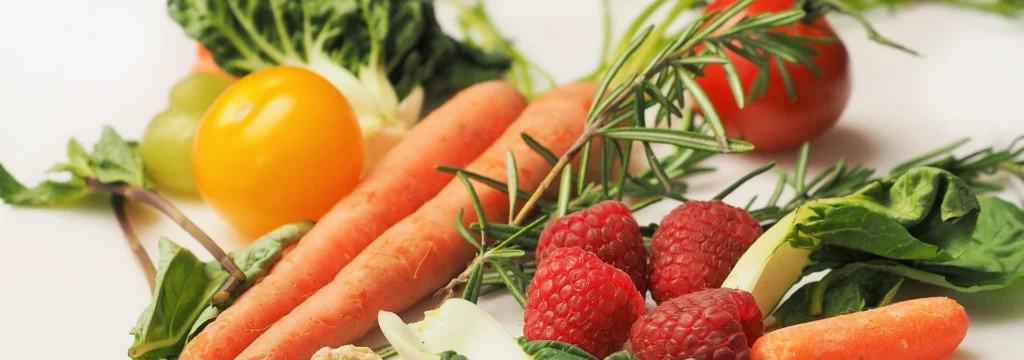
The utilization of food leftovers is an important component of a sustainable lifestyle. By reducing food waste, we can not only lower our CO2 footprint but also save money and conserve resources.
Use of food leftovers
Food waste is a significant problem in our society. Instead of discarding surplus food, it can be put to good use. Here are some ideas on how you can use food leftovers creatively and deliciously.
There are many ways to utilize food leftovers. One option is to cook leftovers into new dishes. Vegetable scraps can, for example, be used in a soup or stew. Bread leftovers can also be transformed into a delicious bread pudding.
Cooking leftovers into new dishes
Food leftovers can serve as the basis for new dishes. Vegetable scraps can, for example, be used in a soup or stew. Leftover fried or grilled meat can be added to a salad or wrap. Bread leftovers can be processed into a delicious bread pudding.
Preserving food leftovers
Some food leftovers are well suited to preservation for later use. For example, herbs and vegetable scraps can be preserved in oil or vinegar to create a flavorful dip or dressing. You can also make jam or chutney from surplus fruit or vegetables.
Use of leftovers in baking
Baking is another way to utilize food leftovers. Stale bread can be turned into croutons, breadcrumbs, or even bread chips. Surplus fruit or nuts can be incorporated into cakes, muffins, or cookies.
Importance of food leftovers utilization
Using food leftovers is not only environmentally friendly but also cost-effective. By avoiding waste, we can reduce our CO2 footprint and conserve valuable resources. Creative reuse of leftovers can also yield dishes and snacks you might not otherwise have tried.
Overall, there are many ways to make sensible use of food leftovers. By using leftovers in the kitchen, we can not only protect the environment but also create tasty dishes and save money.
Food leftovers utilization helps reduce food waste and protect the environment. By avoiding waste, you can not only reduce your CO2 footprint but also lower the risk of methane emissions from landfills
Tips for Avoiding Food Waste
Food waste is a significant problem in our society. Estimates suggest that roughly one third of all food produced worldwide is wasted. Here are some tips on how we can help strengthen food waste recovery.
There are many ways to reduce food waste. For example, when planning your shopping you can make sure to buy only what you actually need. You should also store leftovers properly to extend their shelf life. Additionally, you can portion meals and freeze them for later use.
Grocery planning
One of the simplest ways to avoid food waste is proper grocery planning. Before you go to the supermarket, make a list of the items you need. That way you buy only what you actually require and avoid purchasing food that will later end up in the trash.
Using leftovers
Instead of throwing away leftover food, we should use it. Vegetable scraps can, for example, be incorporated into soups, stews, or smoothies. Stale bread can be turned into croutons, breadcrumbs, or even bread chips. Leftovers from meat or fish can serve as the base for soups or stews. There are many creative ways to use leftovers in the kitchen.
Proper storage
Proper storage of food can help extend its shelf life and thus avoid food waste. Some foods should be stored in the refrigerator, while others can be kept at room temperature. It is also important to package foods correctly to extend their shelf life.
Portioning and freezing
When preparing large meals, divide them into portions and freeze them for later use. This prevents leftover food from being thrown away and allows it to be used at a later time.
Raising awareness
Another way to reduce food waste is raising awareness. We can inform friends and family about how they can avoid food waste, or support local initiatives that work to reduce food waste.
Overall there are many ways to avoid food waste. Through proper shopping planning, using leftovers, correct storage of food, portioning and freezing meals, and raising awareness, we can help protect the environment and conserve resources.
Leftover utilization: Recipes for vegetable peels
Using vegetable peels is an effective way to increase the reuse of food leftovers while staying creative. Here are some recipes based on vegetable peels that produce tasty dishes.
Potato peel chips
Instead of throwing away potato peels, you can turn them into tasty chips. Wash and dry the peels thoroughly before cutting them into thin slices. Then sprinkle the slices with a little oil and spices such as paprika or garlic powder and bake them in the oven until crispy.
Broccoli stem pesto
Broccoli stems are an often overlooked part of the broccoli, but you can process them into a tasty pesto. Peel the stems and cut them into small pieces. Then puree them in a blender with garlic, Parmesan, olive oil and lemon juice until smooth. The pesto can be used as a dip or as a sauce for pasta or vegetables.
Carrot peel vegetable broth
You can turn carrot peels into a delicious vegetable broth. Wash the peels thoroughly before cooking them in a pot with water, onions, celery and herbs such as thyme and parsley. You can then use the broth as a base for soups or stews or simply as a healthy drink alternative.
Zucchini noodles with peel strips
Zucchini peels can be turned into a creative variant of zucchini noodles. Cut the peels into thin strips and then use a spiralizer to cut them into long noodles. The noodles can then be cooked like conventional pasta and served with a sauce of your choice.
Bell pepper peel fajitas
Instead of throwing away bell pepper peels, they can be used in a tasty fajita filling. Cut the peels into small pieces and sauté them in a pan with other vegetables such as onions and mushrooms. You can then wrap the fajita filling in tortillas and serve with guacamole and sour cream.
Overall, there are many creative ways to use vegetable peels. Using vegetable peels can contribute to improved food-waste recovery while also producing tasty dishes.