
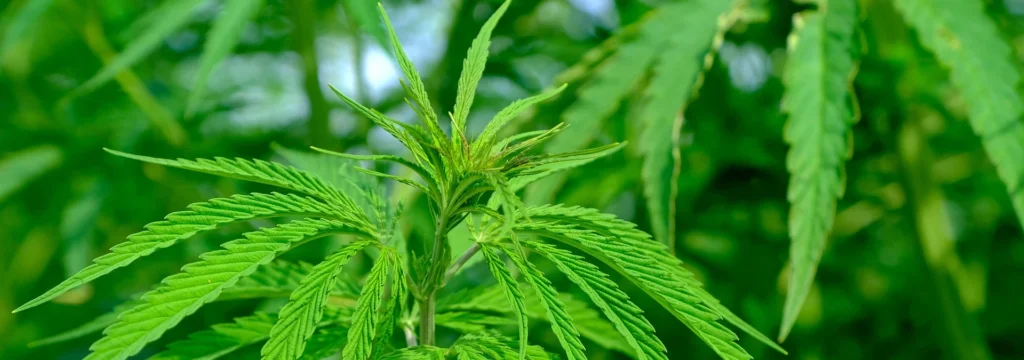
Cannabis is one of the oldest cultivated plants in the world. For millennia it has been used for medical, industrial and cultural purposes. Today cannabis is a controversially discussed topic, as it offers therapeutic benefits but is also associated with legal and social challenges. In this article you will learn everything about its history, effects and possible applications.
What is Cannabis?
Cannabis is a genus of plants in the family Cannabaceae. The best-known species are Cannabis sativa, Cannabis indica and Cannabis ruderalis. The plant contains more than 100 cannabinoids, the most important of which are Tetrahydrocannabinol (THC) and Cannabidiol (CBD).
- THC is the psychoactive substance responsible for the intoxicating effect.
- CBD has no intoxicating effect but is valued for its relaxing and anti-inflammatory properties.
History
The use of Cannabis dates back more than 5,000 years.
- Antiquity: In China Cannabis was already used as a remedy around 2700 BCE. In India it was also an established component of traditional medical practices.
- Middle Ages: In Europe hemp was used for the production of ropes, textiles and paper.
- 20th century: In the USA and many other countries Cannabis was banned in the course of the ‚War on Drugs‘, although it had previously been included in medicines.
- Present: Since the 2000s Cannabis has been legalized for medical purposes in an increasing number of countries and in some states even fully legalized.
Effects
The effects depend on the method of administration, the dosage and the individual physiological response.
1. Effects of THC
- Produces a euphoric or relaxing sensation.
- Enhances sensory perceptions.
- Can stimulate creative thinking.
- Can cause side effects such as anxiety or paranoia.
2. Effects of CBD
- Has calming and anti-inflammatory properties.
- Is frequently used to alleviate pain and stress.
- Does not produce psychoactive effects.
Medical application
Medical cannabis is used to treat various conditions. Some areas of application include:
- Chronic pain: It can be used as an alternative to analgesics such as opioids.
- Multiple sclerosis: It can relieve muscle spasms and neurological symptoms.
- Epilepsy: Certain CBD preparations can reduce seizures.
- Anxiety disorders and depression: CBD is frequently used to alleviate stress and anxiety.
- Cancer treatment: Cannabis can reduce nausea and vomiting during chemotherapy.
Recreational use
Many people also use cannabis for recreational purposes. Reasons for use are varied:
- Relaxation and stress reduction.
- Enhancement of creativity.
- Social use in group settings.
However, regular or excessive use can also entail some risks, including:
- Potential for dependence with frequent use.
- Concentration and memory problems.
- Risk of psychiatric disorders in certain population groups.
Consumption methods of cannabis
There are various methods of consumption:
- Smoking: In joints, pipes, or bongs.
- Vaporizing (vaping): Gentler alternative to smoking, as no combustion occurs.
- Edibles: Cookies, brownies, or beverages infused with cannabis.
- Oils and tinctures: Particularly popular in medical applications.
- Creams and ointments: For localized pain treatment or skin issues.
Benefits of cannabis legalization
Supporters of legalization argue that a regulated cannabis industry brings benefits:
- Protection of consumers: Through clear regulations on the quality and purity of the product.
- Revenue from taxes: Legal cannabis sales generate substantial tax revenue for the state.
- Combating the black market: Regulated retail outlets reduce illegal trade.
Risks and challenges
Despite the potential benefits, there are also critical voices regarding cannabis legalization:
- Health risks: Especially for adolescents, regular use can have negative effects on brain development.
- Risk of dependence: Some consumers develop psychological dependence.
- Road safety: THC can impair reaction times and markedly increase the risk of accidents in road traffic.
Sustainability and cannabis cultivation
Cannabis is an environmentally friendly plant with a wide range of applications. Hemp, a non-psychoactive variety of cannabis, is used for sustainable products such as:
- Clothing and textiles
- Paper and packaging materials
- Bioplastics and building materials
- Food products such as hemp seeds and hemp oil
Hemp grows quickly, requires little water and can be cultivated without pesticides, making it an environmentally friendly alternative to many conventional raw materials. You can find cannabis fertilizer in our online shop www.naturhaus.com
Hemp food products and their benefits
Hemp is rich in essential nutrients and is processed into many food products.
- Hemp seeds
Hemp seeds are an excellent plant-based source of protein. They can be eaten raw or incorporated into mueslis, smoothies, or salads. - Hemp oil
Hemp oil is extracted from cold-pressed hemp seeds and contains healthy fatty acids. It is well suited for salads and dressings but should not be heated. - Hemp protein
Hemp protein powder is a popular alternative to animal protein. It is suitable for athletes and vegans and supports muscle building and recovery. - Hemp teas and hemp beverages
Hemp tea contains valuable secondary plant compounds and has a relaxing effect. There is also hemp milk as a plant-based alternative to cow’s milk.
Hemp in cosmetics
Hemp cosmetics are gaining popularity because they are rich in antioxidants and nourishing ingredients.
- Hemp creams and skin care
Hemp oil is used in creams and lotions to care for dry skin. - Hemp shampoos and hair care
Because of its moisturizing properties, hemp oil is also used in shampoos and hair oils. - CBD cosmetics
CBD-containing skincare products have anti-inflammatory and soothing effects.
Sustainable hemp products
Hemp is also used in industry as a sustainable raw material.
- Hemp textiles
Hemp fabrics are durable, breathable and environmentally friendly. They require less water than cotton and are biodegradable. - Hemp building materials
Hemp fibers are used in sustainable construction materials such as hempcrete and insulation. - Hemp plastic
Biodegradable hemp plastic is an environmentally friendly alternative to conventional plastics.
Future of cannabis
The cannabis industry is growing rapidly worldwide. More and more countries are rethinking their laws and re-regulating the market. In the coming years the following developments could occur:
- Further legalizations in Europe and the USA.
- New cannabis products such as beverages and dietary supplements.
- More scientific studies on effects and long-term impacts.
- Improved medical applications for conditions such as Alzheimer’s disease or chronic pain.
Conclusion
Cannabis is a versatile plant with a wide range of applications. From medical use to recreational consumption to sustainable products, it offers numerous benefits. At the same time there are health and legal challenges that must be carefully weighed. With ongoing legalization, cannabis will remain an important topic in society, politics and medicine.