
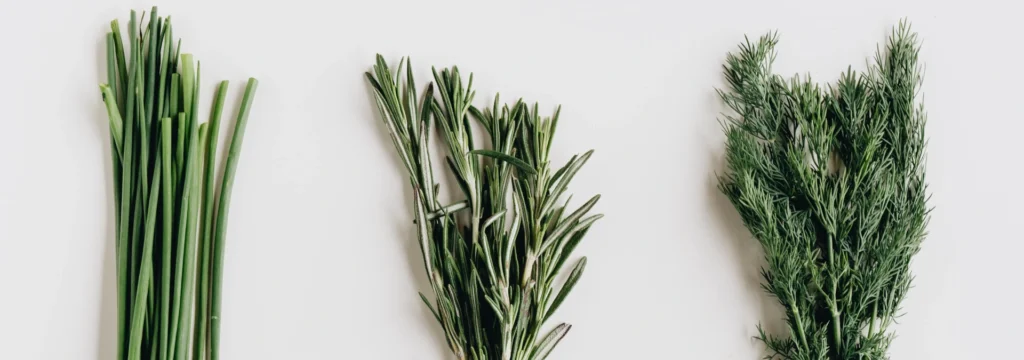
Potted herbs are a wonderful addition to any kitchen and a convenient way to have fresh herbs on hand even without a garden. They are not only flavorful and versatile, but also easy to maintain and cultivate. Here are some tips on how to properly care for your potted herbs.
Types of Potted Herbs
Potted herbs are a great way to have fresh herbs in the kitchen even if you don’t have a garden. There are many different types of potted herbs suited to different purposes. In this article we present some of the most common types of potted herbs.
Basil
Basil is an annual herb known for its characteristic flavor and aroma. It can be used as a seasoning for many dishes such as tomato sauce, pizza and pesto. Basil needs plenty of sunlight and should be watered regularly.
Rosemary
Rosemary is an evergreen herb with needle-like leaves and a spicy, resinous aroma. It is well suited for preparing meat dishes, potatoes and vegetables. Rosemary requires plenty of sunlight and dry conditions.
Thyme
Thyme is a low-growing herb with small, fragrant leaves. It works well in soups, stews and meat dishes. Thyme needs plenty of sunlight and should be watered regularly.
Parsley
Parsley is an herb with smooth leaves and a mild, grassy flavor. It can be used as a seasoning for many dishes, including soups, salads and meat dishes. Parsley needs plenty of sunlight and should be watered regularly.
Mint
Mint is an herbaceous plant with a refreshing, minty flavor. It is well suited for teas, desserts and cocktails. Mint requires plenty of sunlight and should be watered regularly.
Oregano
Oregano is an evergreen herb with small, fragrant leaves. It is well suited for preparing Italian dishes such as pizza and pasta as well as Greek dishes like gyros and souvlaki. Oregano requires plenty of sunlight and dry conditions.
Chives
Chives are an herb with hollow, grass-like leaves and a mild, onion-like flavor. They can be used as a seasoning for many dishes, including soups, salads and potatoes. Chives require plenty of sunlight and should be watered regularly.
The right conditions for potted herbs
Choosing the right pot
It is important to choose the right pot for your herbs. The pot should be large enough to hold the root ball, but not too large, as excess moisture can lead to rot. The pot should also have holes in the bottom to ensure drainage.
Soil quality
Soil quality is an important factor for the growth of your potted herbs. Use a high-quality potting soil mixed with compost or fertilizer. Make sure the soil is well draining and excess water can run off quickly.
Light and water
Potted herbs need plenty of light to grow and thrive. Place your pots in a sunny location, but avoid direct sunlight during the hottest hours of the day. Water your herbs regularly, but avoid overwatering. The soil should always be slightly moist, but not wet.
Pruning and harvesting
Regularly trim the tips of your potted herbs to stimulate growth and increase bushiness. Harvest your herbs when they are large enough to use, but leave at least one third of the plant intact to allow further growth.
1. When to harvest?
The best time to harvest potted herbs is in the morning after the dew has evaporated and before the sun becomes too hot. When the plants are still moist they are easier to harvest and the essential oils are more concentrated. Also during flowering you should harvest the herbs regularly to encourage plant growth.
2. How to harvest?
Potted herbs can be harvested in several ways, depending on the type of plant and the desired result:
- Pick leaves individually: This method works best for herbs like basil or parsley. The leaves are gently pinched from the plant, taking care not to damage the stem.
- Cut whole stems: This is a good method for herbs like thyme or oregano, where the sprigs can also be used for cooking. The stems should be cut with a sharp pair of scissors or a knife as close to the main stem as possible.
- Trim the tips: For some herbs such as mint or rosemary only the top tip of the stem should be cut to promote the plant’s growth.
3. How much to harvest?
It is important not to harvest too much of a plant at once, as this can impair growth and weaken the plant. As a rule of thumb, you should not harvest more than one third of the plant at a time.
4. How to store?
Potted herbs should be used as soon as possible after harvesting to preserve their aroma and nutrients. If you cannot use them immediately, wrap them in a damp paper towel and store them in the refrigerator. Some herbs, such as basil, should not be refrigerated because they do not tolerate cold; you can keep them in a glass of water on the countertop.
Potted herbs also need proper care to thrive and produce a good harvest. An important aspect of potted herb care is fertilization. In this text we will provide some tips on how to fertilize potted herbs correctly.
The importance of fertilizing potted herbs
Potted herbs are typically grown in limited space and do not have the opportunity to take up nutrients from the soil naturally. For this reason, it is important to fertilize them regularly to ensure they receive all the necessary nutrients to grow and thrive.
When should you fertilize potted herbs?
You should fertilize potted herbs approximately every two weeks during the growing period. This is usually from spring to autumn. In winter, when growth slows, you can reduce fertilization or stop it entirely.
Which fertilizer is the right one?
There are many different types of fertilizers on the market. A good all-purpose fertilizer suitable for most potted herbs is a balanced fertilizer with an NPK ratio of 10-10-10 or 20-20-20. NPK stands for nitrogen (N), phosphorus (P) and potassium (K), the three main nutrients plants need.
It is also possible to use organic fertilizers such as compost or manure to fertilize potted herbs. These fertilizers are natural and have the advantage of being released slowly, so the plants receive nutrients continuously.
How to fertilize potted herbs?
It is important to read the instructions on the fertilizer, as different fertilizers may have different directions. In general, you should dissolve the fertilizer in water and then pour it carefully over the plant’s soil. It is important not to use too much fertilizer, as this can burn or otherwise damage the plant.
Another tip is to water the herbs thoroughly before fertilizing. This helps ensure the fertilizer is distributed evenly in the soil and does not run off too quickly from the pot.
Conclusion
Potted herbs are a great way to have fresh herbs in the kitchen. There are many different types of potted herbs suited to different purposes. They are easy to maintain and can be an attractive addition to your kitchen. Simply choose those that best meet your needs and enjoy the range of aromas and flavors they offer.
In winter, potted herbs can be somewhat more difficult to care for. Make sure they are placed in a warm, sunny location and water them regularly. Avoid placing them near heaters or in drafts, as this can cause them to dry out.
By following these simple tips, you can ensure your potted herbs grow healthy and happy and provide you with enjoyment year-round.