
The coconut is more than just an exotic fruit. It is a versatile resource used in the kitchen, in cosmetics and even in industry. With its distinctive flavor, nutrient density and environmentally friendly properties, it has grown in popularity worldwide. This post covers everything worth knowing about the coconut — from its origins to its benefits and creative applications.
What is a coconut?
The coconut comes from the coconut palm (Cocos nucifera), which grows primarily in tropical regions such as Southeast Asia, India and the Caribbean. Botanically, it is not a true nut but a drupe. Its hard, fibrous husk protects the nutritious flesh and the refreshing coconut water inside.
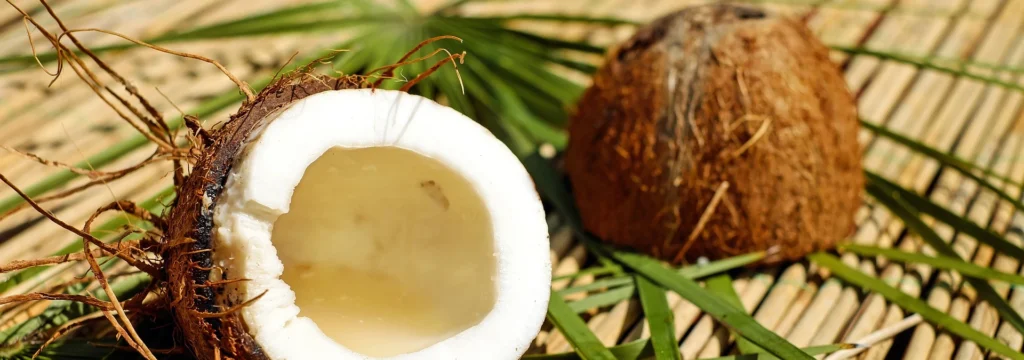
Structure of a coconut
A coconut consists of three main parts:
- Husk: The outer layer is fibrous and protects the coconut from external influences.
- Flesh: The white, firm flesh is rich in nutrients and oil.
- Coconut water: The clear liquid inside a young coconut is refreshing and rich in electrolytes.
Nutritional values and benefits
The coconut is a genuine superfood and offers numerous benefits:
1. Coconut – Rich in nutrients
Coconuts contain healthy fats, fiber, vitamins and minerals such as potassium, magnesium and iron. These nutrients support the body in energy production and digestion.
2. Promotes hydration
Coconut water is a natural source of electrolytes such as potassium and sodium, which regulate the body’s fluid balance. It is especially after exercise or on hot days an excellent alternative to artificial sports drinks.
3. Coconut – Supports digestion
The coconut’s flesh contains fiber that promotes digestion and provides a long-lasting feeling of satiety.
4. Energy source
The medium-chain triglycerides (MCTs) in coconut oil are rapidly converted into energy and support metabolism. This makes coconut oil particularly popular in low-carb and keto diets.
Use cases
The coconut’s versatility is evident in numerous applications:
1. In the Kitchen
The coconut is used in the kitchen as follows:
- Coconut water: Ideal as a refreshing beverage or as a base for smoothies.
- Coconut milk: A creamy ingredient for curries, soups and desserts.
- Coconut oil: For frying, baking or as a substitute for butter in vegan cooking.
- Shredded coconut: Perfect for baked goods, mueslis or as a garnish for desserts.
- Coconut flour: A gluten-free alternative to conventional flour. It is rich in fiber and ideal for low-carb recipes.
2. In Cosmetics
The coconut has established itself as an effective ingredient in cosmetics. With valuable components such as saturated fatty acids, vitamins and antioxidants, it provides natural care for skin and hair. Whether as oil, milk or water—the coconut is a genuine multipurpose ingredient that plays an important role both in DIY products and in cosmetic products. We recommend CMD natural cosmetics. These contain organic coconut oil.
The benefits of the coconut for the skin
The coconut offers numerous benefits for skin care. Its high content of medium-chain fatty acids, such as lauric acid, makes it an effective moisturizer.
- Moisturizer: Coconut oil penetrates deeply into the skin and supplies moisture. It is particularly suitable for dry and sensitive skin.
- Antibacterial effect: Lauric acid has antibacterial and anti-inflammatory properties. Therefore coconut oil is frequently used for skin blemishes or minor wounds.
- Soothing: The natural texture and cooling effect of coconut water make it ideal for calming irritated skin.
- Exfoliating properties: Combined with sugar or salt, coconut oil can be made into a gentle scrub that removes dead skin cells and smooths the skin.
Coconut in hair care
Coconut has also proven effective in hair care. Coconut oil is known for its ability to strengthen hair and repair damage. It penetrates deeply into the hair fibers and provides moisture without weighing the hair down.
- Deep conditioning: Coconut oil is suitable as an intensive hair treatment to strengthen dry hair. It gives the hair shine and suppleness.
- Protection against hair breakage: The proteins in coconut oil can help strengthen the hair structure and prevent hair breakage.
- Scalp care: Coconut oil soothes dry or flaky scalp.
DIY ideas with coconut in cosmetics
- Coconut oil face mask: Mix 1 tbsp coconut oil with 1 tsp honey and 1 tsp lemon juice. Apply the mixture to the face, leave it on for 15 minutes and rinse off with warm water.
- Hair mask: Warm 2–3 tbsp coconut oil and massage it into the scalp and hair. Leave the mask on for at least 30 minutes and then rinse it out.
- Body Scrub: Mix 2 tbsp coconut oil with 1 tbsp sugar or salt for a gentle scrub that smooths and cares for the skin.
Sustainability of coconut in cosmetics
The coconut is not only effective but also sustainable. Its components, such as oil, water and flesh, can be used completely, resulting in little waste. When purchasing, look for certified organic quality to support sustainable farming practices and fair working conditions.
The nourishing properties of the coconut make it a popular ingredient in established cosmetic products:
- Coconut oil: Used as a moisturizer for skin and hair. It helps with dry skin, reduces frizz and strengthens hair structure.
- Scrubs: A natural body scrub can be made from coconut oil and sugar.
- Lip care: Coconut oil protects and conditions dry lips naturally.
3. Coconut in the household
Coconut oil can also be used in the household, for example as a natural wood treatment or as a base for DIY cleaning products.
4. Products from the coconut
Sustainable products such as baskets, ropes, mats and even activated charcoal are made from the shell and fibers of the coconut. It is not only healthy but also environmentally friendly. Every component of the fruit can be used, resulting in almost no waste:
- Shell: The shell is processed into decorative items, kitchen utensils (e.g. naturhaus Coconut Shell Bowl Set) or biodegradable fuel.
- Fibers: Are processed into ropes, brushes, or mats.
- Coconut flesh and water: Are used in food and cosmetics.
Tips for purchase and storage
1. Buy fresh coconuts
- Check for an undamaged shell and shake the coconut: fresh coconuts contain a lot of coconut water, which you can hear when shaking.
- Young coconuts (recognizable by their green color) are ideal for coconut water.
2. Storage
- Whole coconuts keep for several weeks in a cool, dry place.
- Fresh coconut flesh should be stored in the refrigerator and used within a few days.
DIY ideas
1. DIY Coconut milk
Blend fresh coconut flesh with water and puree it to make coconut milk. Then strain it through a cloth.
2. Upcycling of the shell
Use the empty shell as a decorative bowl for fruit, plants, or candles.
Conclusion
The coconut is a genuine all-rounder that proves useful in the kitchen, in cosmetics, and around the home. With its valuable constituents it enriches everyday life in a natural way. Whether as tasty coconut water, nourishing oil, or a sustainable product—the coconut offers something for everyone. Try the ideas presented and discover the many ways the coconut can enhance your life.