
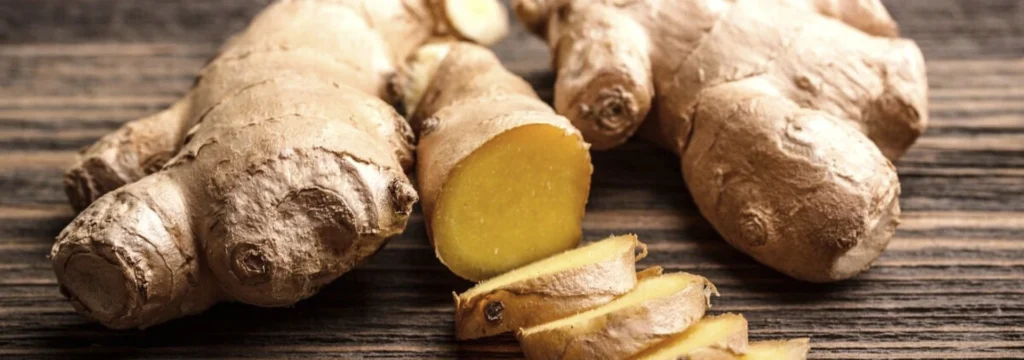
Ginger (Zingiber officinale) is one of the best-known medicinal plants worldwide. For millennia it has been valued both in traditional medicine and in the kitchen. Ginger not only has a distinctive, spicy flavor, but also numerous health benefits that make it a true superfood. In this article you will learn everything important about ginger: from its health benefits to proper use and possible side effects.
The origin and history of ginger
It originally comes from Southeast Asia and has been known there for about 5,000 years. The plant grows in tropical and subtropical regions, particularly in India, China and Indonesia. Ginger was valued not only as a spice but also for its healing properties, which are highly regarded in both Ayurveda and traditional Chinese medicine.
Even in ancient Greece and Rome the healing powers of ginger were known. In Europe ginger was quickly put to use as well, primarily as a spice for various dishes and as an ingredient in medicinal preparations.
How to integrate ginger into the diet
It can be integrated into the diet in various ways. Whether fresh, dried or as a powder — there are many options for leveraging the health benefits of ginger.
1. Ginger tea
Ginger tea is one of the simplest and most popular ways to consume it. To prepare fresh ginger tea, simply cut a small piece into thin slices and pour hot water over them. Let the tea steep for a few minutes and add a little honey or lemon if desired. Ginger tea can be enjoyed at any time of day and is especially soothing for colds or digestive complaints.
2. In smoothies and juices
Another way to integrate it into the diet is through smoothies or juices. The sharp taste of ginger pairs excellently with fresh fruit or vegetable juices. Combinations with citrus fruits, apples or carrots work particularly well and provide a refreshing, healthy blend.
3. In the kitchen
Ginger can also be used as a spice in cooking. It goes well with Asian dishes such as curries, soups or stir-fries. It is also a popular ingredient in baked goods like ginger cookies or ginger cake. Dried, it can also be sprinkled into smoothies, muesli or over yogurt.
4. In dietary supplements
For those who do not want to consume fresh or dried ginger products, ginger is also available in capsule or tablet form. These dietary supplements provide a convenient way to enjoy the health benefits of ginger in a concentrated form.
Ginger-Lemon Tea: a refreshing and healthy beverage
Ginger-lemon tea is a tasty and at the same time healthy drink that stimulates digestion and strengthens the immune system. Especially in cold months or when you have a cold, this drink is a comforting choice. The sharp ginger combined with the fresh lemon provides a natural energy boost and delivers many important nutrients. In this recipe we show you how to prepare this refreshing tea easily yourself.
Ingredients for Ginger-Lemon Tea (for 2 cups):
- 2-3 cm fresh ginger
- 1 organic lemon
- 1-2 teaspoons honey (optional)
- 500 ml water
Preparation:
- Prepare: First, peel the ginger. Use a small knife or a teaspoon to scrape off the thin skin of the ginger. Then cut the ginger into thin slices. The thinner the slices, the more intense the flavor of the tea will be.
- Bring water to a boil: Put the water in a small pot and bring it to a boil. When the water boils, reduce the heat to medium so the water simmers gently rather than boiling vigorously. This helps preserve the ginger’s flavor.
- Let the ginger steep: Add the ginger slices to the simmering water and let them steep for about 5-7 minutes. If you prefer a stronger flavor, you can let it steep a little longer. The tea will become progressively spicier and more flavorful.
- Juice the lemon: While it steeps, squeeze the lemon. It’s important to use an organic lemon because you can also use the peel to give the tea a fresh aroma. Cut the lemon in half and squeeze the juice into a cup or bowl. You can also grate some lemon zest to further flavor the tea.
- Strain and finish the tea: When the ginger has steeped sufficiently, pour the tea through a fine sieve to remove the ginger slices. Now you can add the fresh lemon juice to the tea. Stir well so the lemon juice is evenly distributed.
- Sweeten to taste: If you prefer it sweeter, you can sweeten the tea with 1-2 teaspoons of honey. The honey adds a natural sweetness to the drink and pairs well with the sharpness of the ginger and the acidity of the lemon.
- Serve: The ginger-lemon tea is now ready to be served. Pour it into a cup and enjoy it warm. This tea is not only a comfort for the body but also an effective pick-me-up for the morning or a calming break in the afternoon.
Benefits of ginger-lemon tea:
Ginger-lemon tea is a genuine superfood beverage. Ginger has anti-inflammatory, antioxidant and digestion-promoting properties. It helps strengthen the immune system. Lemon provides a large amount of vitamin C, which further supports the immune system and helps care for the skin. The tea is therefore particularly suitable for colds or when you simply want to do something good for your body.
This ginger-lemon tea is a simple and soothing way to incorporate ginger into your diet. With only a few ingredients you can prepare a drink that is not only tasty but also healthy. Try it and experience the soothing effect of the tea!
Conclusion
Ginger is a true all-rounder — not only in cooking but also for health. Due to its anti-inflammatory, antioxidant and digestion-promoting properties, it offers numerous benefits for body and mind. Whether as a tea, in smoothies or as a spice in dishes — ginger can be integrated into the daily diet in many ways and supports a healthy and active life. However, be sure to consume it in moderation and consult a physician in case of existing health issues or during pregnancy.