
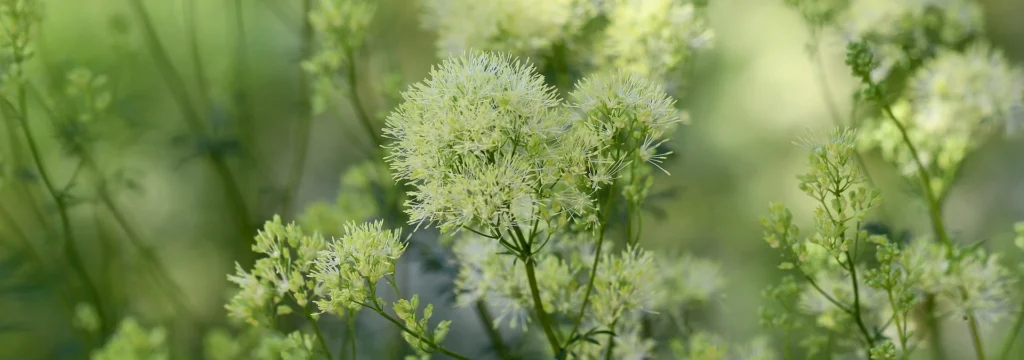
Autumn is a season of change in nature. Trees lose their leaves, the days grow shorter, and many plants prepare for winter. Even in autumn there is still a wealth of wild herbs that can be gathered and used. Wild herbs provide a natural, healthy addition to the kitchen and often have medicinal effects. In this text you will learn which wild herbs can be collected in autumn, what to pay attention to during harvesting, and how to use the gathered herbs in cooking or for health purposes.
The importance of wild herbs
Wild herbs are plants that grow in the wild and are often used as medicinal plants or as an ingredient in cooking. They are rich in vitamins, minerals and secondary plant compounds that strengthen the immune system and benefit the body. Unlike cultivated garden herbs, wild herbs are generally hardier and have a more intense flavor. Many of them have been used for centuries in folk medicine and as food.
In autumn, wild herbs offer a valuable opportunity to collect and preserve the last fresh plants before winter. Although the peak of the herb season is in spring and summer, there are still numerous plants you can collect in autumn.
Preparations for harvesting wild herbs
Before you set out to collect wild herbs, it is important to prepare well. Gathering wild herbs is a natural activity, but it still requires attentiveness and knowledge.
1. The right equipment
- Collection basket or cloth bag: Collect wild herbs in a breathable container such as a basket or cloth bag so they are not crushed and remain fresh.
- Knife or scissors: A small knife or a pair of scissors is useful to cut the herbs cleanly without damaging the plant.
- Identification book or app: It is important to be able to identify the collected herbs reliably to avoid confusing them with poisonous plants. An identification book or a plant app can help with this.
2. Knowledge about wild herbs
A basic knowledge of the various wild herbs is essential. Many edible herbs have poisonous look-alikes, and some herbs are only edible in certain growth stages. It is advisable to familiarize yourself with the characteristics of the respective herbs before collecting and, if in doubt, to refrain from consumption.
Common wild herbs in autumn
Even in autumn, a wide variety of wild herbs can still be found. Here are some of the most common edible wild herbs to be found in this season:
1. Stinging nettle (Urtica dioica)
The stinging nettle is one of the best-known and most versatile wild herbs. In autumn, especially the young shoots and leaves are particularly valuable because they are rich in vitamins and minerals. Nettles can be prepared as tea, in soups, or used as a substitute for spinach. The seeds of the nettle, which ripen in autumn, are also a valuable source of nutrients.
2. Goutweed (Aegopodium podagraria)
Goutweed is a wild herb often regarded as a troublesome weed in many gardens, but it is actually very nutritious and tasty. In autumn, the young leaves of goutweed are particularly tender. You can use them in salads, soups or as a vegetable side dish. Goutweed contains a lot of vitamin C and has anti-inflammatory properties.
3. Chickweed (Stellaria media)
Chickweed is a small, inconspicuous herb that often grows in gardens and along paths. In autumn it still produces tender leaves that are excellent as salad greens. Chickweed has a mild, fresh taste and is rich in vitamins and minerals.
4. Dandelion (Taraxacum officinale)
Dandelion is a widespread plant that can be harvested almost year-round. In autumn the roots are particularly valuable because they have now stored most of their nutrients. Dandelion roots can be processed into tea, which is known for liver and gall support. The leaves can still be used, for example in salads or smoothies.
5. Yarrow (Achillea millefolium)
Yarrow is a versatile wild herb that is used both in the kitchen and in herbal medicine. In autumn you can still collect the flowers and leaves. Yarrow has a slightly bitter note and is well suited as a spice or tea. It supports digestion and has anti-inflammatory effects.
6. Mugwort (Artemisia vulgaris)
Mugwort is a traditional culinary herb, known especially for its use in cooking. In autumn you can collect the leaves and inflorescences. Mugwort pairs well with fatty dishes such as roast goose or game, as it stimulates digestion and rounds off the flavor.
Safety when collecting wild herbs
When collecting wild herbs it is important to observe some basic safety rules:
1. Pay attention to clean collection sites
You should collect wild herbs only in clean locations, away from roads, industrial areas or agricultural land that may be contaminated with pesticides. Instead, look for undisturbed meadows, forest edges or your own garden.
2. Risk of mistaken identity
Some wild herbs have poisonous look-alikes. Therefore you should only collect plants you can identify with certainty. If in doubt, leave the plant in place or consult an expert.
3. Gentle harvesting
Always harvest wild herbs gently and take only as much as you actually need. Cut the plants rather than pulling them up to promote regrowth and preserve the plant.
Use of wild herbs in the kitchen
Wild herbs can be used in many ways in the kitchen. They not only add fresh flavors to dishes but are also a natural source of nutrients.
1. Salads and raw dishes
Many wild herbs such as chickweed, ground elder or dandelion are excellent for fresh salads. You can combine them with conventional salad greens to achieve a distinctive flavor.
2. Herbal tea
Wild herbs such as stinging nettle, yarrow or dandelion root can be made into soothing tea. Simply pour boiling water over the fresh or dried leaves and let steep for a few minutes. Herbal teas often have therapeutic effects and can, for example, help with digestive issues or colds.
3. Soups and stews
Wild herbs can also be used in soups and stews. Stinging nettle, ground elder and mugwort suit autumn dishes well and give them a savory aroma.
4. Seasonings
Mugwort and yarrow are well suited as seasonings for savory dishes. You can use them dried and crushed as a spice powder or add them fresh to dishes.
5. Preservation
If you have collected a larger quantity of wild herbs, you can preserve them. Many herbs dry well and can be stored for the winter. Some herbs, such as stinging nettle and dandelion, can also be frozen or preserved in oil.
Conclusion
Foraging wild herbs in autumn is a wonderful way to harvest the last fresh plants of the season while enjoying nature. With proper preparation and the necessary knowledge you can find valuable wild herbs and use them in the kitchen or for health. Be sure to collect only herbs you can identify, and treat nature with respect so that many people can continue to enjoy foraging in the future.