
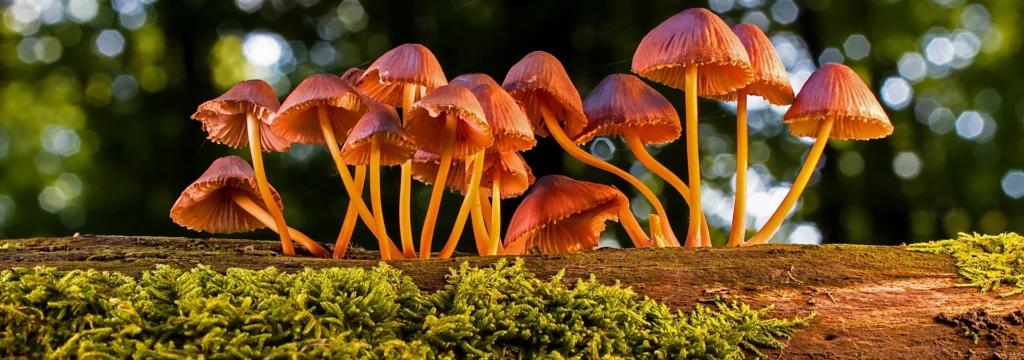
Autumn is the perfect season for mushroom enthusiasts. Once the leaves fall and the rain moistens the forests, the mushroom season begins. Mushroom foraging is a great way to spend time in nature while bringing something tasty home. This text explains the preparations, the best places for foraging, common mushroom species, safety tips, and how to prepare the mushrooms you collect.
Preparation for mushroom foraging
Before heading out, there are several points to observe to make mushroom foraging successful and safe:
1. The right equipment
- Basket and knife: Mushrooms are best collected in a breathable basket. This keeps them fresh and prevents damage during transport. A small knife helps to cut the mushroom cleanly without damaging the mycelium, the underground fungal network.
- Identification book or app: For beginners it is important to have a mushroom identification book or an app to clearly identify found mushrooms. Some mushrooms closely resemble edible species but are poisonous.
- Appropriate clothing: Warm, weatherproof clothing and sturdy footwear are essential. On wet ground shoes should be slip-resistant. Long trousers also protect against ticks and other insects.
2. Knowledge about mushrooms
A basic knowledge of mushrooms is advantageous before setting out. There are thousands of species, some edible, others inedible or even poisonous. It is important to collect only mushrooms that can be identified beyond doubt. If you are unsure about a mushroom, it is better to leave it.
The best places for mushroom foraging
Mushrooms grow in many environments, but some locations are particularly suitable for foraging. Here are the best places to be successful:
1. Forests
Forests are the classic foraging areas. Deciduous and mixed forests in particular provide ideal conditions, as dense tree canopies create moist and shaded environments. Oak, beech, and spruce forests are especially rich in mushrooms such as porcini, bay boletus and chanterelles.
2. Clearings and forest edges
You can also often find mushrooms at forest edges and in clearings. Here the mushrooms receive more light, and the damp moss or soft forest floor provides ideal growing conditions. Morels and champignons in particular frequently grow in these spots.
3. Moist meadows and parks
Some mushrooms grow not only in forests but also in meadows or urban parks, especially after rainy days. Meadow champignons and meadow curl are examples of mushrooms that are more likely to be found in open grasslands.
Häufige Pilzarten im Herbst
In autumn many different mushroom species appear, some of which are particularly sought after and easy to find. Here is an overview of some of the most common edible mushrooms:
1. Steinpilz (Boletus edulis)
The porcini is one of the most prized edible mushrooms. It has a thick, firm stem and a brown cap. Its mild, nutty flavor makes it particularly popular in the kitchen. Porcini often grow in coniferous and mixed forests and are relatively easy to identify.
2. Pfifferling (Cantharellus cibarius)
Chanterelles are easily recognized by their golden-yellow color. They have a spicy, slightly peppery flavor and are frequently used in sauces or as an accompaniment to meat dishes. They grow primarily on acidic soils in coniferous and deciduous forests.
3. Maronenröhrling (Imleria badia)
The bay bolete is a relative of the porcini and has a dark brown cap with a velvety surface. Its flesh is firm and tasty. It commonly grows in coniferous forests, especially under spruces.
4. Parasol (Macrolepiota procera)
The parasol mushroom is easy to recognize by its tall stem and large, umbrella-like cap. It has a mild, pleasant taste and is well suited for frying. The parasol often grows in meadows and at forest edges.
5. Hallimasch (Armillaria mellea)
Honey fungus is an autumn mushroom that grows in groups on tree stumps and dead wood. It is edible but must be cooked thoroughly to break down toxic constituents. Honey fungi have a slightly sweet taste and are suitable for stews.
Sicherheitstipps bei der Pilzsuche
Mushroom foraging can be a wonderful experience, but it is important to stay safe. Here are some basic safety tips:
1. Nur bekannte Pilze sammeln
Only eat mushrooms you have identified with certainty. Some poisonous species closely resemble edible ones. A field guide or consultation with an expert can help here.
2. Vermeiden Sie stark befallene Pilze
Even edible mushrooms can become inedible or harmful to health if infested by maggots or mold. Make sure to collect only fresh, healthy mushrooms.
3. Respect for nature
Collect mushrooms in moderation and leave enough behind so that populations can regenerate. Avoid unnecessarily disturbing the foREST floor or damaging plants.
4. Risk of poisoning
If symptoms such as nausea, dizziness or abdominal pain occur after consuming mushrooms, consult a doctor immediately. If possible, bring leftovers of the consumed mushrooms so the species can be identified.
Preparing collected mushrooms
After you have successfully collected your mushrooms, it is time to prepare them. Here are some tips on how to turn your mushroom harvest into delicious dishes:
1. Cleaning
Mushrooms should be cleaned carefully with a brush or a cloth. Only wash them when absolutely necessary, as they absorb a lot of water and can lose flavor as a result.
2. Process while fresh
Fresh mushrooms taste best when processed the same day. They can be sautéed in butter, used in stews, or made into a fine mushroom soup.
3. Drying and freezing
Excess mushrooms can be preserved by drying or freezing. Dried mushrooms retain their concentrated flavor and later make an excellent ingredient for soups and sauces.
4. Pickling
Another way to preserve mushrooms is to pickle them in vinegar or oil. Porcini and chanterelles are particularly suitable for this method.
Conclusion
Mushroom foraging in autumn is a wonderful opportunity to enjoy nature and bring something tasty home. With the right preparation and the necessary knowledge, you can safely collect edible mushrooms and use them in a variety of dishes. Make sure to pick only mushrooms you know and treat nature with respect so that future generations can also enjoy mushroom foraging.