
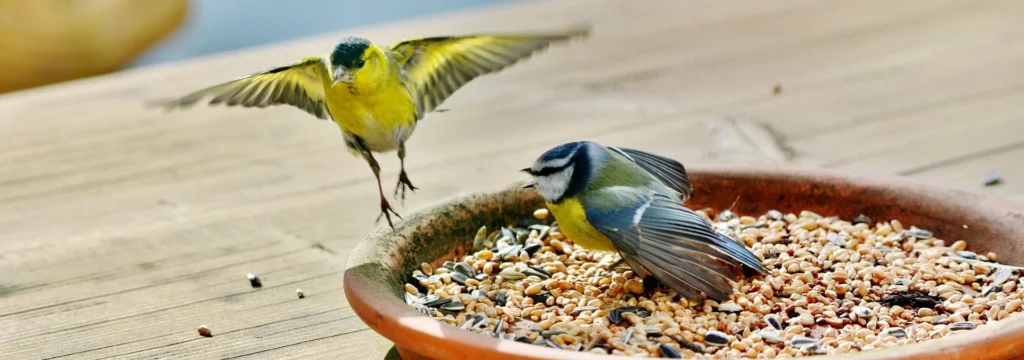
Supplying DIY bird feed is straightforward. The cold winter months are a challenge for native birds. And the natural food supply becomes scarce. Homemade bird feed is an excellent way to support the animals while acting sustainably and creatively. At the same time you can adapt the feed to the needs of the birds in your garden and avoid plastic waste from purchased packaging. In this article you will learn why DIY bird feed is sensible, which ingredients are suitable and how to prepare it step by step.
Why DIY bird feed?
Feeding birds has many advantages, particularly during the cold season:
- Supporting local bird populations: Many species cannot find sufficient food in winter and benefit from supplementary food sources.
- Sustainability: By making your own bird feed you avoid plastic packaging and contribute to environmental protection.
- Customisation: You can tailor the ingredients specifically to the preferences and needs of the birds in your area.
- Creative activity: Making bird feed is an engaging activity that also brings enjoyment to children.
Which birds benefit from DIY bird feed?
Different bird species have distinct preferences. Here are some examples:
- Seed-eaters such as finches and sparrows prefer seeds and grains.
- Soft-food eaters such as blackbirds and robins favour fruit, berries and soft oats.
- Omnivores such as tits accept both seeds and fat-based feed.
Ingredients for homemade bird feed
Choosing the right ingredients is decisive to provide birds with a healthy and balanced diet. Here is an overview:
Suitable ingredients
- Seeds and grains: sunflower seeds, millet, flaxseed, hulled pumpkin seeds.
- Nuts: chopped or crushed peanuts (unsalted), walnuts, hazelnuts.
- Dried fruit: raisins, dried berries (unsweetened).
- Fats: coconut fat, unsalted beef tallow or vegetable fat.
- Fruits: apple pieces, pears or berries.
Unsuitable ingredients
- Salted or seasoned foods: These can be harmful to birds.
- Bread and baked goods: They swell in birds‘ stomachs and provide little nutritional value.
- Chocolate and sweets: These are toxic to birds.
Instructions: DIY bird food
1. DIY Bird Food: Fat feed for cold winter days
Fat feed is particularly energy-rich and ideal for frosty temperatures.
Ingredients:
- 250 g coconut fat
- 150 g rolled oats
- 100 g sunflower seeds
- 50 g chopped nuts
Preparation:
- Melt the coconut fat in a pot.
- Then mix the rolled oats, sunflower seeds and nuts in a bowl.
- Next, pour the melted fat over them and mix well.
- Fill the mixture into molds (e.g. yogurt cups or cookie cutters).
- Work a piece of string into it if the feed is to be hung.
- Then allow to set in the refrigerator or in a cool place.
2. Peanut butter feeder cones
This feed variant is particularly easy to make and attracts many bird species.
Ingredients:
- Pine cones
- Peanut butter (unsweetened)
- Seed mix
Preparation:
- Coat a pine cone with peanut butter.
- Roll the cone in the seed mix until it is completely covered.
- Attach a string to the top of the cone to hang it.
3. Fruit feed for soft-billed birds
This feed is particularly suitable for blackbirds, robins and other soft-billed birds.
Ingredients:
- 1 apple (cut into small pieces)
- 50 g raisins
- 100 g rolled oats
- 200 g vegetable fat
Preparation:
- Melt the vegetable fat in a pot.
- Mix the apple pieces, raisins and rolled oats in a bowl.
- Add the fat and mix thoroughly.
- Place the mixture into small dishes or directly on a feeding site.
4. Suet balls
And here is a classic among feed variants that is simple to prepare.
Ingredients:
- 250 g beef tallow or coconut fat
- 150 g rolled oats
- 100 g chopped nuts
- 100 g seed mix
Preparation:
- Slowly melt the fat.
- Add the remaining ingredients and mix well.
- Form small balls and let them harden in the refrigerator.
- Place the balls in nets or in dedicated feeders.
Designing a safe feeding site
- Choose a location: Place the feeding site in a sheltered spot protected from wind and rain. It should also be difficult for cats to access.
- Provide different heights: Hanging feeding points for tits and sparrows, ground level for blackbirds and robins.
- Regular cleaning: Remove old food residues and clean feeding points regularly to prevent disease.
- Provide water: In addition to food, a water source is helpful, especially in freezing conditions.
Sustainability in bird feeding
- Use recycled materials: Empty cups, coconut shells or yogurt pots work well as molds.
- Seasonal feeding: Birds particularly need additional food in winter. In summer the natural supply is usually sufficient.
- Use local ingredients: Use regional products wherever possible to minimize environmental impact.
Conclusion
Making bird food yourself is a simple, sustainable and creative way to support local birdlife. With the right ingredients and straightforward recipes you can offer healthy and balanced feeding options. These recipes are readily accepted by a variety of bird species. Whether suet, fruit mixes or suet balls – homemade bird food not only promotes biodiversity but also provides an enjoyable experience for nature enthusiasts of all ages. Try the recipes and enjoy the lively activity of the birds at your feeding spot.