
Thyme is one of the oldest and most versatile herbs in cooking, natural medicine and cosmetics. With its intense aroma and numerous benefits, it holds an established role worldwide in gastronomy and traditional healing. Originally native to the Mediterranean region, it is now cultivated and valued in many areas. This article covers thyme, its properties, health benefits and possible applications.
What is thyme?
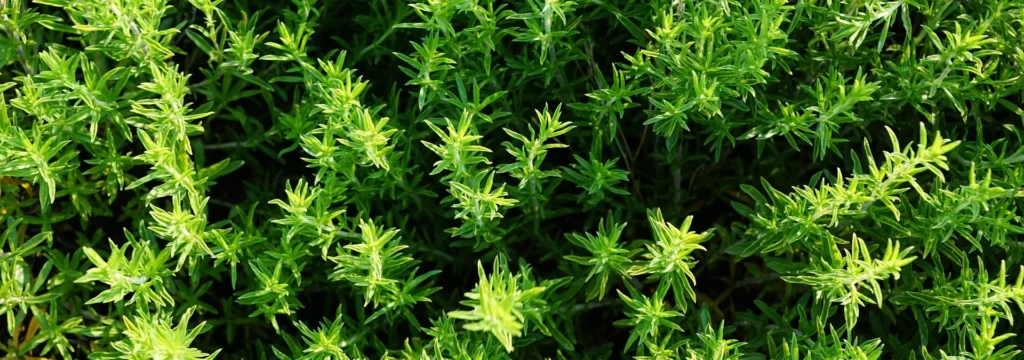
Thyme (Thymus vulgaris) belongs to the Lamiaceae (mint) family and is an aromatic perennial plant. It grows as a small, evergreen shrub with fine, needle-like leaves and small pink to violet flowers. Its intense aroma is produced by essential oils rich in thymol, carvacrol and linalool.
History
Its use stretches back thousands of years. The ancient Egyptians used it for embalming, while the Greeks valued it for fumigation and as a symbol of bravery. In the Middle Ages it was regarded as a symbol of courage and was often carried in herb bundles. As the herb spread across Europe and Asia, thyme became an indispensable component of both cuisine and traditional medicine.
Nutrients and benefits
Thyme is not only an aromatic seasoning but also a valuable herb with numerous health-related benefits. Its constituents exhibit anti-inflammatory, antibacterial and antioxidant effects.
1. Strengthening the immune system
The herb is rich in vitamins C and A, both of which support the immune system. The herb helps the body fend off infections and promotes overall health.
2. Relief of respiratory conditions
The essential oils in thyme act as expectorants and anti-inflammatory agents, making the herb a common remedy for coughs, bronchitis and colds.
3. Antibacterial properties
Thymol and carvacrol, two primary components of thyme essential oil, have strong antibacterial properties and can help combat microorganisms.
4. Promotion of digestion
Thyme stimulates digestion, relieves bloating and supports the stomach in processing heavy meals.
5. Antioxidant activity
The antioxidants contained in thyme protect cells from free radicals.
Use of thyme in the kitchen
Thyme is a popular herb that gives many dishes a distinctive note. Its intense, slightly bitter flavor harmonizes with a wide range of ingredients.
1. In savory dishes
The herb pairs particularly well with meat dishes such as lamb, chicken or beef. It is also a common ingredient in braises, soups and stews.
2. Mediterranean cuisine
In Mediterranean cuisine thyme is a staple in herb blends such as Herbes de Provence. It is frequently used in pasta sauces, pizzas and antipasti.
3. For vegetable dishes
Roasted vegetables such as zucchini, peppers and tomatoes benefit from thyme’s pungent note. Potatoes and mushrooms also develop a more intense aroma when seasoned with it.
4. In marinades and dressings
Thyme is ideal for marinades, especially for grilled meat or fish. Salad dressings also gain depth from a touch of the herb.
Recipe idea: Thyme honey
Simply place fresh thyme sprigs in a jar of honey and let them infuse for several weeks. This aromatic honey is ideal for tea, desserts or as a remedy for sore throats.
Thyme in herbal medicine
It has a long tradition in herbal medicine and is used as a tea, as an essential oil or for inhalation.
1. Thyme tea
A tea made from fresh or dried thyme leaves is a proven remedy for coughs and digestive issues. It soothes the airways and supports the stomach.
2. Inhalations
For inhalations during colds, a few drops of thyme oil can be added to hot water. The rising steam relieves respiratory discomfort and loosens mucus.
3. Skin care
Thyme oil has anti-inflammatory properties and is used in skin care for acne or minor inflammations. However, it should always be applied diluted to avoid skin irritation.
4. Oral hygiene
The antibacterial properties of thymol make it a popular ingredient in mouthwashes and toothpastes. The herb is also an ingredient in the popular Apeiron Auromère toothpaste.
Thyme in cosmetics
Thanks to its intense scent and antiseptic properties, the herb is also used in cosmetics.
- Skin care: Thyme extracts are used in creams and cleansing products to clarify and soothe the skin.
- Hair care: Thyme oil is used in shampoos and hair masks to stimulate the scalp and promote hair growth.
- Fragrances: Thyme is often used in perfumes and scented candles to add a fresh, spicy note.
Cultivation and care of thyme
It is an undemanding plant that thrives in the garden, on the balcony or on a windowsill.
- Location: The herb prefers sunny, dry sites with well-draining soil.
- Watering: Water sparingly, as thyme tolerates drought better than waterlogging.
- Harvest: Leaves can be harvested year-round but are particularly aromatic shortly before flowering.
- Drying: Thyme is easy to dry by hanging the sprigs in a ventilated, shaded place. Dried thyme retains its aroma for many months.
Conclusion
Thyme is a versatile herb that plays a significant role in the kitchen as well as in traditional medicine and cosmetics. With its numerous health-related benefits, pronounced aroma and simple cultivation, thyme is a valuable spice and remedy. Whether as tea, in savory dishes or for skin and hair care — thyme contributes in many ways. Use the properties of this long-established herb to refine your dishes while also supporting your health.