
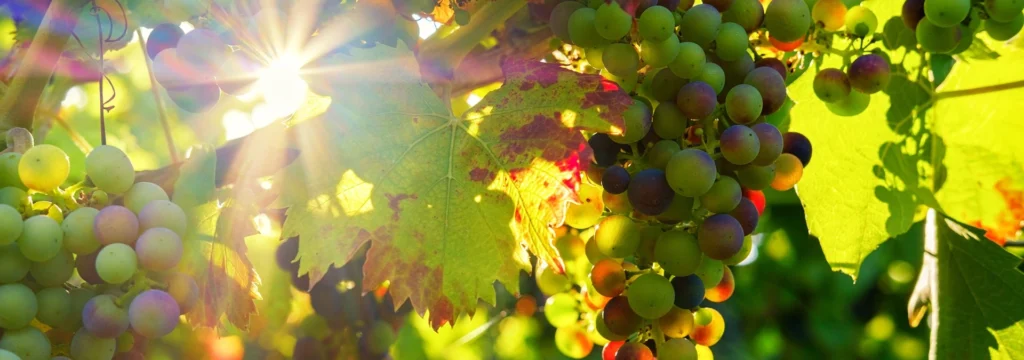
Wine is a distinguished beverage that delights palates worldwide. A key factor in the distinctive aromas and qualities of wine are the regional grape varieties cultivated in different parts of the world. Here we take a look at the fascinating world of regional grape varieties and how they influence wine.
Diversity of grape varieties
The world of wine encompasses a remarkable diversity of grape varieties, each with its own characteristic traits. Some of the best-known varieties include:
- Chardonnay: This white grape variety is versatile and cultivated worldwide. Chardonnay wines range from fresh and fruity to rich and buttery.
- Merlot: A red grape variety known for its velvety texture and soft tannins. Merlot wines offer a broad spectrum of aromas, including red fruits, plums, and spices.
- Sauvignon Blanc: This white variety produces wines with vibrant acidity and aromas of green apple, gooseberry and fresh grass.
- Cabernet Sauvignon: One of the world’s most popular red varieties, producing robust wines with aromas of blackcurrant, pepper and oak.
Regional influences
The region where grapes are grown has a significant influence on the taste and quality of wine. This is called terroir and includes factors such as soil, climate, slope and altitude. Some famous wine regions and their characteristic traits are:
- Bordeaux, France: Known for its Cabernet Sauvignon–Merlot blends and the limestone-rich soils that impart finesse to the wines.
- Napa Valley, USA: Here Cabernet Sauvignon and Chardonnay particularly thrive on volcanic soils and under the influence of a Mediterranean climate.
- Tuscany, Italy: The home of Sangiovese, a variety known for its tannins and acidity, which plays a central role in wines such as Chianti.
- Mendoza, Argentina: Here Malbec vines grow at high altitude and under the intense sun of the Andes, resulting in deep red wines with ripe fruit aromas.
Wine specialties
Each region has its own wine specialties that make it distinct. Some examples are:
- Champagne, France: The Champagne region is world-famous for its sparkling wine, produced by the traditional method.
- Port wine, Portugal: This fortified wine from the Douro Valley is characterized by its sweetness and complex aromas.
- Barolo, Italy: A high-quality red wine from the Piedmont region, made exclusively from the Nebbiolo grape.
- Shiraz, Australia: Australia is known for its powerful Shiraz wines, rich in dark fruit aromas and spices.
Delicious, healthy grapes: Natural delicacies
Grapes are not only tasty and versatile, but also extremely healthy. They are among the oldest cultivated fruits and are known in many cultures as a symbol of health and well-being. Here you can learn more about the health benefits of grapes and why they can be a valuable addition to your diet.
Rich in nutrients and antioxidants
Grapes are rich in important nutrients and antioxidants, including:
- Vitamin C: Grapes are an excellent source of vitamin C, which strengthens immune function and promotes skin health.
- Dietary fiber: The fibers in grapes support digestion and can help lower blood cholesterol levels.
- Antioxidants: Red grapes in particular contain antioxidants such as resveratrol, quercetin and anthocyanins, which protect against free radicals and can reduce the risk of chronic diseases.
- Micronutrients: Grapes contain small amounts of vitamin K, potassium and folic acid, which play important roles in cardiovascular health and blood formation.
Heart health
Regular consumption of grapes can have a positive effect on heart health. The antioxidants and flavonoids in grapes can help regulate blood pressure, improve circulation and reduce inflammation. This can lower the risk of heart disease and promote overall well-being.
Improved digestion
Thanks to their fiber content, grapes support digestion and can help prevent constipation. They promote the formation of probiotic bacteria in the gut, which can improve intestinal health and strengthen the immune system.
Serving sizes and precautions
Although grapes are healthy, you should enjoy them in moderation. They are calorie-dense and contain naturally occurring sugars. If you have diabetes or are concerned about weight gain, you should monitor your consumption.
It should also be noted that grapes are sometimes treated with pesticides. Thorough washing and preferring organic grapes can reduce the risk of exposure to harmful chemicals.
Planting grapes in the garden: Tips for a successful harvest
Growing grapes in your own garden can be a rewarding and enjoyable experience. Grapes are not only versatile in the kitchen but also provide a picturesque plant that enhances your garden. Here are useful tips and steps to successfully grow grapes in your garden.
1. Wahl des richtigen Standorts
Choosing the site is decisive for the success of your grapevines. Here are some important considerations:
- Sunlight: Grapes require at least 6-8 hours of direct sunlight per day to thrive.
- Soil quality: The soil should be well-draining and have a pH between 6 and 6.5. A soil test can help you determine any deficiencies.
- Air circulation: Ensure your grapevines receive adequate airflow to prevent fungal diseases.
2. Auswahl der richtigen Sorte
There are many different grape varieties, each with its own characteristics and requirements. Research the variety best suited to your climate and preferences. Popular varieties include Merlot, Cabernet Sauvignon and Chardonnay.
3. Bodenvorbereitung
Before planting your grapes, you should prepare the soil well. Loosen the soil thoroughly, remove weeds and mix in organic matter such as compost or well-rotted manure. This improves soil structure and nutrient uptake.
4. Pflanzung der Reben
Plant your grapevines in early spring or autumn while the soil is still warm. Dig a hole large enough to comfortably accommodate the roots and position the vine carefully. Cover the roots with soil and water generously.
5. Pflege und Wartung
The care of your grapevines requires regular attention. Here are some important steps:
- Irrigation: Keep the soil evenly moist, especially during dry periods. However, avoid standing water, as this can cause root rot.
- Pruning: Perform a strong pruning in winter to remove excess shoots and shape the vines. In summer, remove surplus leaves to improve air circulation.
- Fertilization: Grapevines need nutrients. Fertilize your vines in spring and summer with a balanced fertilizer.
6. Harvest and Enjoyment
The harvest time depends on the grape variety, but once your grapes are ripe you can enjoy them. Try them fresh from the vine or use them to make wine, juice, jams, or even in culinary dishes.
Growing grapes in the garden requires patience and care, but rewards you with delicious fruit and a picturesque plant. Monitor your vine growth and look forward to a bountiful harvest and the culinary possibilities it offers.
Conclusion
The world of regional grapes is as diverse as it is exciting. The different grape varieties and terroirs help shape the unique flavors and styles of wines around the world. Exploring this diversity can become an engaging journey for wine enthusiasts and deepen the appreciation of this noble beverage.