
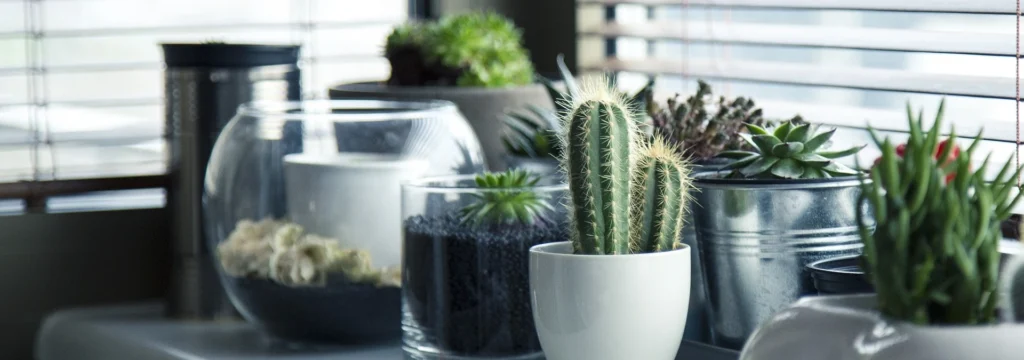
Houseplants not only bring color and life to our homes, but also improve the indoor climate and air quality. Particularly during the cold winter months, however, they can present specific challenges. The combination of dry heating air, reduced daylight and cooler temperatures puts many plants under strain. With the right care instructions, however, you can keep your houseplants healthy and vital in winter. In this article you will find everything you need to know about caring for houseplants in winter so they can thrive even in the cold season.
Why are houseplants particularly sensitive in winter?
In winter the conditions for houseplants in our homes are often not ideal. Heated air dries out the surroundings, and the hours of sunlight are significantly shorter than in summer. As a result, plants receive less light and suffer from lower humidity. Some plants react with yellowing leaves, brown tips or slowed growth. Additionally, cold drafts and sudden temperature changes caused by opening windows can be further stress factors for the plants.
1. The right location for houseplants in winter
A decisive factor for the wellbeing of houseplants in winter is the correct location. Many plants require particularly much light in winter to remain healthy. Therefore it is advisable to place your houseplants in a brighter spot as the days shorten. South-facing windows generally provide the most daylight, while north-facing windows receive little direct sunshine and are therefore unsuitable for light-demanding plants. Do not place plants directly next to radiators, however, as the hot air can dry them out.
Another important aspect is temperature. Houseplants generally prefer temperatures between 18 and 22 degrees Celsius. Ensure it does not get too cold and that your plants are not exposed to drafts, especially when windows and doors are opened frequently. Cold can damage plants and inhibit growth. It is also important to avoid extreme temperature fluctuations.
2. Water less – but correctly
In winter many houseplants enter a resting phase and therefore need less water than in the warmer seasons. Watering too often can cause the roots to rot, since plants absorb less water in winter. To prevent this, check the top layer of soil regularly for moisture. If it is dry, you can water; otherwise, wait a little longer.
A good indication that a plant is receiving too much water is yellow leaves or limp, soft plant parts. It is important to ensure drainage in the pot so that excess water can run off and no waterlogging occurs. Also make sure your plants are not standing in water, as this can lead to root rot.
3. Increase humidity
In winter, the air in most apartments is very dry due to heating. This low humidity can particularly stress tropical plants that are normally accustomed to humid, subtropical climates. One way to increase humidity is to place bowls of water near the plants. As the water evaporates, it raises the room’s humidity. A humidifier can also be a good solution during dry winter months.
Another option is to mist the plants regularly with water. Use a spray bottle that produces a fine mist. Take care that no droplets remain on the leaves, as this can promote mold growth. Plants with large leaves benefit particularly from this measure.
4. Reduce fertilizing in winter
In the winter months many houseplants slow their growth or enter a resting phase. Therefore they require fewer nutrients than in the warm season. During this time you should reduce fertilizing or omit it entirely. Too much fertilizer can unnecessarily stimulate growth even though the plant does not have the energy or the conditions to process it. In general, it is advisable to fertilize in winter only if the plant is actively growing, which is rare for most plants.
Use a balanced fertilizer and be careful to apply it sparingly. We recommend the ARIES „Zimmergrün“ fertilizer. Some plants, such as succulents or cacti, require no fertilizer during winter because they enter a dormant phase.
5. Care of particularly sensitive plants in winter
There are some plants that react particularly sensitively to the cold months and therefore need more attention. An example are tropical plants such as ferns or orchids, which rely on consistent warmth and high humidity. These plants should be placed where they receive sufficient light but are not exposed to dry heating air.
Cacti and succulents are also commonly found in our homes but require somewhat different care in winter. These plants are adapted to dry conditions and should be watered very sparingly in winter. Take care not to overwater them, as this can damage the roots.
6. Overwintering of plants in the conservatory or outdoors
Some houseplants can also overwinter outdoors during the winter, provided they are adequately protected. Particularly Mediterranean plants such as olive trees or lemon trees benefit from fresh air and require less care in winter. However, these plants must be protected from freezing temperatures. One option is to place the plants in a conservatory or a well-insulated room. If that is not possible, you can also move the plants to a cooler room that is protected from frost.
Conclusion: Keeping houseplants healthy in winter
Caring for houseplants in winter requires a bit more attention and adjustments to the changed conditions. With the right tips and a little attentiveness, however, you can ensure your plants thrive even in the cold season. Pay attention to the correct location, water less, increase humidity and adapt your care routines to the needs of the plants. This way you can enjoy your green companions year-round and maintain a healthy, green home. You can also find the right fertilizer for your plants in our shop.