
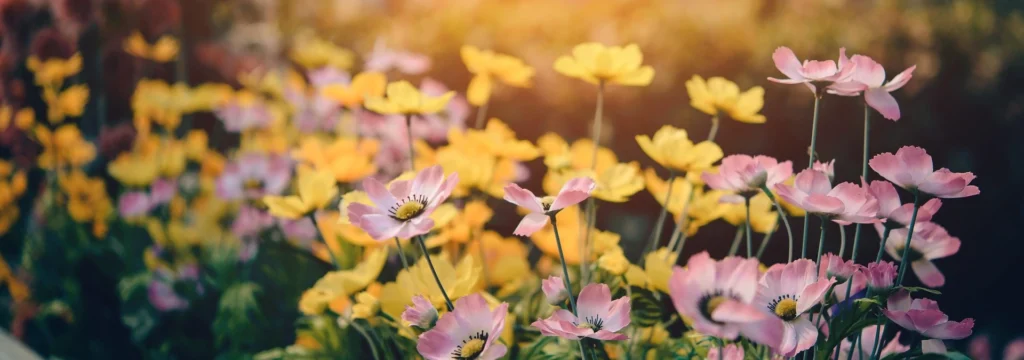
The issue of insect decline has become increasingly prominent in recent years. However, everyone can contribute to supporting insects. One option is to make your own garden or balcony insect-friendly. An insect-friendly garden is a garden that has been deliberately designed to meet the needs of insects. Insects play an important role in our ecosystem and are indispensable for pollination and pest control. Therefore it is important to protect and preserve their habitat.
How do you design an insect-friendly garden?
There are various ways to design an insect-friendly garden:
Plant selection
Choosing the right plants is an important factor for an insect-friendly garden. Native plants should be preferred here, as they better meet the needs of local insects than exotic species. In addition, care should be taken to ensure that flowering plants are always available so that insects can find sufficient food.
What makes plants insect-friendly?
Insect-friendly plants are characterized by providing insects with food and habitat. They supply pollen, nectar and other food sources that insects need to survive. They also offer hiding places and shelter to protect against predators.
Which plants are particularly insect-friendly?
There are numerous plant species that have proven to be insect-friendly. These include native wildflowers, perennials, shrubs and trees. Here is a selection:
- Wildflowers such as cornflower, scabious, coneflower or clover
- Perennials such as goldenrod, yarrow, lavender or comfrey
- Shrubs such as hazel, lilac, hawthorn or elder
- Trees such as maple, linden, willow or oak
Tips for insect-friendly planting
If you want to make your garden or balcony insect-friendly, there are a few things to consider. A mix of different plant species is advisable to create a broad range of food for insects. Avoiding pesticides and creating undisturbed corners for insects are also important measures.
Plants should also be arranged at different heights to provide insects with a diverse habitat. Flower heads should not be removed too early, as they can still provide food for insects in autumn.
Insect-friendly plants are not only an enhancement for your garden or balcony, but also an important contribution to preserving insect diversity. Through deliberate plant selection and care, everyone can help slow insect decline and support our ecosystems.
Insect-friendly nesting sites
It is important to provide nesting sites for insects so they feel at home in your garden. Different insect species require different nesting options. For example, wild bees need holes in the ground or in deadwood, while butterflies frequent sunny spots and require larval food plants.
1. Wild bee hotel
Wild bees are important pollinators of fruit and vegetables and require suitable nesting sites. A wild bee hotel is an ideal nesting option and can be easily built or purchased. It consists of a frame filled with different materials such as hollow stems, reed canes, or wooden blocks. The wild bees can then deposit their brood in it.
2. Deadwood pile
Deadwood piles are ideal nesting sites for beetles, ladybirds and other insects. They provide a protected habitat and are an important site for the breakdown of organic material. You can simply stack branches, twigs and logs in a corner of the garden for this purpose.
3. Rock pile
Rock piles are another simple nesting option for insects in the garden. They offer hiding places and protection from predators. For this you can simply stack stones in a corner of the garden.
4. Insect nesting aids
Insect nesting aids are specialized devices made, for example, from reed or bamboo and serve as nesting sites for wild bees or lacewings. They can be easily built or purchased and should be placed in a sunny, sheltered location.
5. Bird nest boxes
In addition to insects, birds also need suitable nesting sites. Bird nest boxes can be easily built or purchased and provide birds with a protected place to raise their young. By creating insect-friendly nesting sites in the garden, we can make an important contribution to preserving biodiversity and enjoy the beauty and the hum of insects.
Avoiding pesticides
To create an insect-friendly garden, you should avoid the use of pesticides. Pesticides harm not only pests but also beneficial insects that are indispensable for a healthy ecosystem.
An insect-friendly garden is not only pleasant to look at but also an important habitat for many insects. To create such a garden, it is important to avoid the use of pesticides. Pesticides can be harmful not only to pests but also to beneficial insects such as bees and butterflies.
Why are pesticides problematic?
Pesticides can cause acute poisoning and long-term damage in insects. In particular, insecticides are suspected of harming bees‘ nervous systems and impairing their orientation. This can lead to bees being unable to find their way back to the hive. Other beneficial species such as butterflies, beetles and spiders can also be harmed by the use of pesticides.
Alternatives to pesticides
There are numerous ways to keep garden pests under control without using pesticides. One method is the introduction of beneficial predators such as ladybirds and lacewings, which feed on aphids and other pests. Planting herbs like lavender and rosemary can also help deter pests.
What to do in case of pest infestation?
If a pest infestation does occur, there are alternative measures available. For example, affected plants can be removed by hand or pruned to prevent further spread. Spraying infested plants with water or a soap solution can also help eliminate pests.
Why is an insect-friendly garden important?
An insect-friendly garden is important not only for preserving insect populations but also for people. Insects are essential for the pollination of plants and thus for our food production. They also play an important role in pest control, acting as natural predators of pests.
An insect-friendly garden can also help increase biodiversity in your surroundings and strengthen the local ecosystem. It can benefit personal well-being as well, contributing to a natural and relaxed environment.