
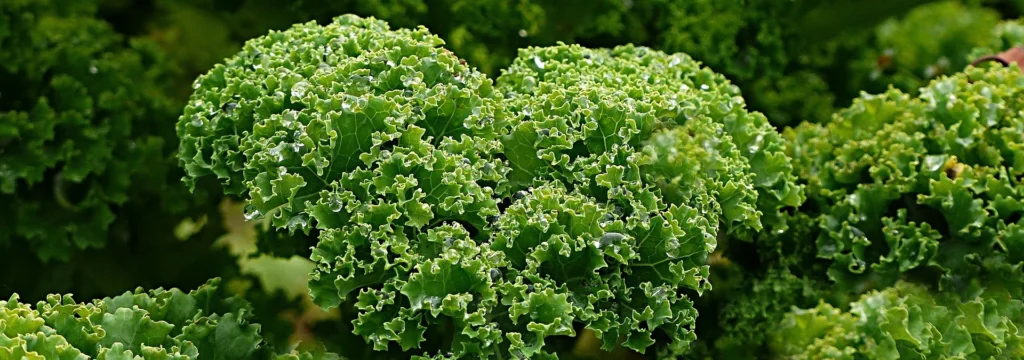
Kale is one of the healthiest winter vegetables and is gaining popularity not only in traditional cuisine but also in modern recipes. With its high content of vitamins, minerals and fiber, it is regarded as a genuine superfood. Whether as a classic stew, in salads or in trendy smoothies — kale is versatile and tasty. In this article you will learn everything about the history, nutrients and creative uses of kale.
What is kale?
This cabbage belongs to the cruciferous family and is closely related to other cabbage varieties such as white cabbage, broccoli or Brussels sprouts. It is characterized by its curly, dark green leaves and its pronounced flavor. Kale is particularly hardy in winter and is traditionally harvested during the cold season, usually after the first frost, as this makes the flavor milder and sweeter.
The history of kale
This cabbage has a long history and was already cultivated by the Romans in antiquity. In Northern Europe, particularly in Germany, it has for centuries been one of the main winter vegetables. In northern Germany it is a fixed component of traditional cuisine, where it is often served with Kassler, Mettwürstchen or Pinkel.
In recent years it has experienced a revival and has become a trend vegetable in international cuisine, especially in the USA, known as „Kale.“ Today it is enjoyed not only cooked but also raw or in smoothies.
Nutrients and health benefits
Kale is a concentrated source of nutrients and offers numerous health benefits:
1. Vitamin C booster
Kale contains more vitamin C than many citrus fruits and thus supports the immune system, especially during the cold season.
2. Vitamin A
It is rich in vitamin A.
3. Antioxidants
The antioxidants it contains, such as beta-carotene and flavonoids, support general health.
4. Calcium and iron
Kale is an excellent plant-based source of calcium and iron, making it particularly suitable for people who consume little or no meat.
5. Dietary fiber
With its high fiber content, kale supports digestion and provides a long-lasting feeling of satiety.
Traditional and Modern Recipes with Kale
Kale is extremely versatile and can be prepared in many different ways. Whether cooked, fried, raw or pureed – there are no limits to your creativity.
1. Classic Kale Stew
Ingredients:
- 500 g fresh kale
- 2 onions
- 2 tbsp goose fat or vegetable fat
- 500 ml vegetable broth
- 200 g Kassler or plant-based alternative
- Salt, pepper, mustard
Preparation:
- Thoroughly wash the kale, remove the leaves from the stem and blanch in boiling water.
- Dice the onions and sweat them in the fat until translucent.
- Add the kale, pour in the broth and simmer for about 30 minutes.
- Add the Kassler or a plant-based alternative and season with salt, pepper and mustard.
2. Kale Salad
Ingredients:
- 200 g fresh kale
- 1 apple
- 50 g walnuts
- 2 tbsp olive oil
- 1 tbsp lemon juice
- 1 tsp maple syrup
- Salt and pepper
Preparation:
- Wash the kale, chop finely and massage lightly with a little salt to soften it.
- Dice the apple and roughly chop the walnuts.
- Whisk together the olive oil, lemon juice and maple syrup into a dressing.
- Combine all ingredients and let the salad rest for about 10 minutes.
3. Kale Chips
Ingredients:
- 200 g kale
- 1 tbsp olive oil
- Salt, paprika or other spices
Preparation:
- Wash the kale, pat dry and tear into bite-sized pieces.
- Toss with olive oil and spices.
- Bake in the oven at 150°C for about 10–15 minutes until crisp.
4. Kale Smoothie
Ingredients:
- 100 g fresh kale
- 1 banana
- 1 apple
- 200 ml water or plant-based milk
- 1 tsp chia seeds
Preparation:
- Place all ingredients in a blender and puree to a creamy consistency.
- Enjoy immediately.
Vegan recipes with kale
1. Vegan kale stew
This stew is a perfect winter dish that warms and satisfies.
Ingredients:
- 200 g kale
- 2 potatoes
- 1 carrot
- 1 onion
- 2 cloves of garlic
- 500 ml vegetable broth
- 1 tbsp tomato paste
- 1 tsp smoked paprika
- 1 tsp soy sauce
- Salt and pepper to taste
Preparation:
- Wash the kale, remove the leaves from the stems and chop finely.
- Peel and dice the potatoes and carrots, finely chop the onion and garlic.
- In a large pot, sauté the onion and garlic in a little oil.
- Add the potatoes and carrots and sauté briefly.
- Add the vegetable broth, tomato paste, smoked paprika and soy sauce. Bring to a boil and simmer for 20 minutes.
- Add the kale and cook for another 10 minutes. Season with salt and pepper and serve.
2. Vegan Kale Salad with Oranges
This salad combines the savory note of kale with the freshness of oranges.
Ingredients:
- 200 g kale
- 2 oranges
- 50 g walnuts
- 1 tbsp olive oil
- 1 tbsp lemon juice
- 1 tsp maple syrup
- Salt and pepper to taste
Preparation:
- Wash the kale, chop it finely and massage it with a little salt to make it more tender.
- Peel the oranges and cut them into small pieces.
- Roughly chop the walnuts and toast them briefly in a pan without oil.
- Whisk together olive oil, lemon juice, maple syrup, salt and pepper to make a dressing.
- Combine all ingredients and serve the salad fresh.
3. Vegan Kale Pasta
A creamy pasta dish that is quick to prepare and very satisfying.
Ingredients:
- 200 g pasta (e.g. spaghetti or penne)
- 150 g kale
- 100 ml plant-based cream (e.g. oat cream)
- 1 onion
- 2 garlic cloves
- 1 tbsp nutritional yeast flakes
- Salt and pepper to taste
Preparation:
- Cook the pasta according to the package instructions.
- Wash and chop the kale; chop the onion and garlic.
- Sauté the onion and garlic in a pan with a little oil. Add the kale and sauté for 5 minutes.
- Add the plant-based cream and stir in the nutritional yeast. Season with salt and pepper.
- Toss the cooked pasta into the sauce and serve hot.
Tips for buying and storing
- Recognize freshness: Make sure the leaves look fresh and crisp and have a dark green color.
- Storage: Kale can be kept in the refrigerator for up to five days. Wrap it in a damp kitchen towel to keep it fresh.
- Long-term storage: Kale freezes very well. Blanch it briefly before freezing to preserve color and flavor.
Sustainability and regional cultivation
Kale is a sustainable vegetable that is available regionally during the winter months. Its cultivation requires little energy, and the entire plant can be utilized. By purchasing it locally, you support domestic agriculture and reduce CO₂ emissions.
Conclusion
Kale is far more than a traditional winter vegetable. Thanks to its versatility and high nutrient content, it fits perfectly into a modern, healthy diet. Whether as a classic stew, crispy chips or a fresh salad — kale offers countless ways to combine flavor and health. Try the recipes presented and discover the variety of this nutrient-rich superfood.