
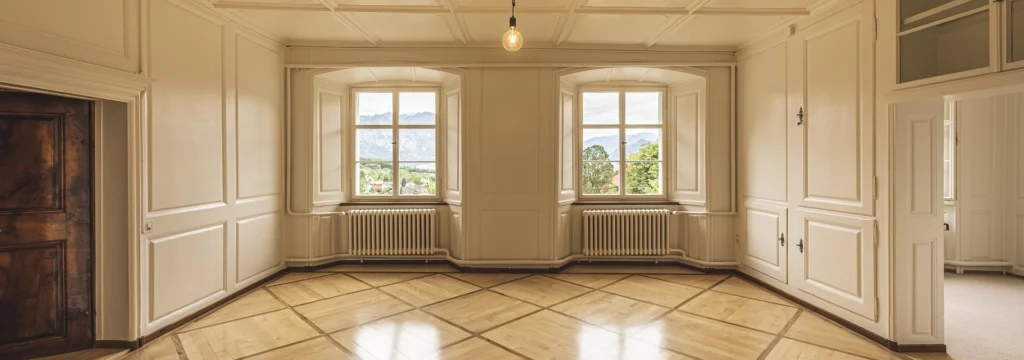
Mopping floors is a central part of household cleaning. Whether tile, laminate, parquet or vinyl – each floor covering requires appropriate care to remain attractive and hygienically clean for a long time. When mopping floors, it’s not only the right cleaning agent that matters, but also the technique, the frequency and the choice of the right tools. In this article you will learn how to clean floors effectively and gently, which mistakes to avoid and which home remedies are particularly suitable for natural care.
Why is mopping floors so important?
In daily life, dust, dirt, hair, pollen and bacteria accumulate on the floor. Especially in heavily used areas such as the kitchen, hallway or bathroom, regular cleaning is decisive for hygiene and comfort. Proper care also extends the service life of your floor.
Removal of dirt, germs and dust
Improved indoor air quality and fewer allergens
Shiny, well-maintained surfaces
Preservation of value for sensitive coverings
How often should you mop floors?
The frequency depends on room usage and the flooring material. While kitchens and bathrooms should be mopped more often, once a week is usually sufficient for bedrooms or living rooms.
- Kitchen: 2–3x per week
- Bathroom: 2x per week
- Hallway and entrance: depending on soiling 1–2x per week
- Living room, bedroom: 1x per week
- Homes with pets: more often as needed
Which floors can be mopped and how?
Not every floor covering tolerates water and cleaning agents equally. Proper care is important to avoid damage.
Tiles:
Very low-maintenance and robust. Tolerates all common cleaners. Tip: a splash of vinegar adds shine and combats limescale. We recommend Poliboy Bio Boden Reiniger.
Laminate:
Wipe with only a small amount of water; standing moisture must be avoided. Preferably use special cleaners or a few drops of mild dish soap.
Parquet (sealed or oiled):
Sensitive to moisture. Only use a small amount of water and preferably a suitable parquet cleaner. We recommend Poliboy Bio Parkett und Holzdielen Pflege. Under no circumstances use aggressive agents such as vinegar or alcohol.
Vinyl flooring and design Coverings:
Damp-mop using an all-purpose cleaner. Do not use abrasive cleaners. We recommend the Sodasan All-purpose Cleaner.
Natural stone (e.g. marble, slate):
Not compatible with acidic cleaners. Use pH-neutral cleaners and wipe regularly with clean water.
Proper planning
Before starting damp mopping, the floor should be cleared of coarse dirt.
Move furniture aside (if possible)
Thoroughly vacuum or sweep the floor
Treat stubborn stains locally in advance, if necessary
This prevents scratches caused by dust particles and yields a better cleaning result.
Step by step
1. Select a cleaning agent: Use the cleaner appropriate for the floor covering or a household remedy.
2. Prepare water: Fill a bucket with lukewarm water and dose the cleaner sparingly.
3. Moisten mop or cloth: Mop with minimal water; be sure to wring out excess water.
4. Work in sections: Mop from back to front so you do not have to walk over the wet area.
5. Even motions: Mop in figure-eight motions, not randomly back and forth.
6. Change water regularly: Dirty water reduces cleaning effectiveness and can cause streaking.
7. Let dry: Depending on the floor, a dry follow-up wipe may be advisable.
What to use for mopping floors? Recommended tools
Microfiber mop head:
Ideal for smooth floors such as tile or laminate. Microfiber picks up a lot of dirt and is washable.
Floor wiper with spray function:
Practical for small areas or quick interim cleaning.
Flat mop with telescopic handle:
Ergonomic and effective, especially for large rooms.
Cotton cloths:
Soft and gentle, particularly suitable for sensitive floors.
Water bucket with strainer:
Facilitates wringing and saves water.
Mopping robot:
Mopping floors with a mopping robot is a practical and time-saving solution for routine floor cleaning in the household. Modern mopping robots are equipped with sensors that detect obstacles, avoid stairs and move efficiently through the room. They are particularly suitable for hard floors such as tiles, laminate or parquet. Here we recommend this cleaner.
Natural cleaning agents for floors
Many home remedies work well:
Vinegar:
Ideal for tiles and PVC floors. Removes limescale and dirt and has antibacterial effects. Mixing ratio: 1 part vinegar to 4 parts water. Alternatively, we recommend the Sodasan Essig Reiniger.
Baking soda:
For spot cleaning of stains or for odor removal. Use caution on sensitive surfaces.
Black tea:
A tip for dark parquet – refreshes color and provides antistatic properties.
Olive oil:
For oiled parquet or natural wood. Add a few drops to the mop water – conditions and protects.
Citric acid:
Against limescale and for shine, but use only on acid-resistant floors.
Typical mistakes when mopping floors – and how to avoid them
Mopping too wet: Can cause laminate or parquet to swell.
Wrong cleaning agent: Causes streaks, damage or dull surfaces.
Using dirty mop water: Just spreads the dirt instead of cleaning.
Mopping without vacuuming first: Can cause scratches.
No regular cleaning: Soils become more stubborn and harder to remove.
Streak-free floor mopping — how to
- Always wring well – slightly damp is the keyword.
- Do not use too much cleaning agent – otherwise streaks will form.
- Wipe again with clear water if residues are visible.
- When in doubt, use special streak-free floor cleaners.
- Wash and replace microfiber covers regularly.
When is the best time to mop?
It is best to mop floors when you will not need to walk through the room immediately afterwards. Morning or before noon is ideal, as the floor will be fully dry by the evening. In direct sunlight the floor dries faster, which is advantageous for surfaces that are sensitive to streaks.
Conclusion: Systematic mopping for a well-maintained home
Whether tile, laminate or parquet – the proper care of your floor starts with regular mopping. With the right cleaning agent, correct technique and natural household remedies you achieve streak-free, hygienic results without chemicals. Those who rely on high-quality tools, eco-friendly cleaners and a structured approach ensure long-term clean, well-maintained floors and a pleasant indoor climate. Regular mopping contributes not only to hygiene but also to preserving the value of your flooring — and thus to a home where you feel completely comfortable.