
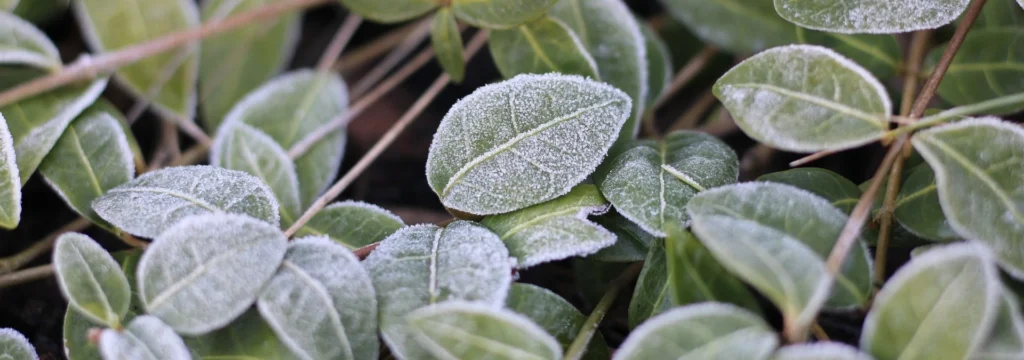
Winter poses a significant challenge for many garden plants. Frost and cold can damage delicate roots and leaves, often leading to growth disorders or even plant death. Fortunately, there are a number of natural methods with which you can protect plants from the harmful effects of frost. In this article you will learn how to winterize your garden and bring your plants successfully through the cold season using natural frost protection.
Why is frost protection important?
Frost occurs when temperatures drop below the freezing point and water inside plant cells freezes. This process can damage cell walls and severely impair the plant’s water uptake. Particularly vulnerable to frost damage are sensitive plant parts such as young shoots, leaves and roots. But not only cold air can be problematic — cold shocks and strong temperature fluctuations between day and night pose an additional hazard.
Effective frost protection ensures that plants can regain their vigour and growth in spring. To achieve this, there is no need to rely on chemical antifreeze agents. There are many natural and environmentally friendly methods that are likewise highly effective.
1. Mulching: The simple and effective solution
Mulching as frost protection is one of the simplest and most effective methods to protect plants. This technique involves applying a layer of organic material such as leaves, straw, bark or compost around the base of the plants. This mulch layer has several advantages:
- It insulates the soil and prevents temperatures from fluctuating too much.
- Mulch retains the soil’s warmth and thus protects the roots from extremely low temperatures.
- Soil moisture is preserved, which is particularly important during prolonged frost periods.
It is advisable to apply mulch only after the first frosts, since the soil may still be too warm beforehand, increasing the risk of rot. A mulch layer of about 5 to 10 cm is generally sufficient.
2. Covering materials: Frost protection with natural materials
Another effective method is covering sensitive plants with natural materials. This can provide additional insulation that shields plants from direct cold. The following materials are particularly suitable:
- Fleece fabrics: These special plant coverings made from natural fleece fabric are lightweight and breathable. They allow moisture and air to circulate while protecting against frost and strong winds.
- Jute sacks or cotton cloths: These materials are also a good choice for protecting plants from frost. They can be wrapped around plants or draped over shrubs and perennials. Make sure the coverings are not too tight so the plants can continue to breathe.
- Spruce boughs: Similar to covering with fleece fabric, you can also use boughs to protect sensitive plants. The boughs provide an insulating layer and protect the plants from direct contact with cold.
3. Wind protection: Keep the cold wind away
Frost does not only arise from low temperatures but also from wind. Cold winds can draw moisture out of plants and cause temperatures to drop further. Therefore it is important to create a windbreak to fend off the cold. Here are some natural options:
- Hedges and shrubs: A dense hedge or a row of shrubs can serve as a natural windbreak. These plants block the wind and at the same time provide a degree of insulation for the plants inside.
- Fences and trellises: If you don’t have space for hedges, fences or trellises can also be used to keep the wind away from particularly sensitive plants. Planting winter-hardy climbers can further enhance this protection.
4. Green roofs or walls: Using plants as frost protection
A particularly innovative method to keep cold away from garden plants is the use of green roofs or walls. This is an especially interesting solution in urban areas. Green roofs and walls not only offer aesthetic benefits but also help regulate the ambient temperature. They store heat and create a microclimatic environment that is ideal for many plant species.
5. Choose winter-hardy plants
One of the best ways to protect your plants from frost is to choose winter-hardy species. These plants have adapted over centuries to cold climates and are naturally resistant to frost. Examples include many native perennials, grasses and shrubs. Even if these plants do not necessarily require active frost protection, they can benefit from additional natural protective measures during severe winters.
6. Shade protection in winter
Although it sounds paradoxical, it is also important to protect plants from excessive sun in winter. Evergreen plants in particular can suffer sunscald from strong sunlight during the cold season. One way to prevent this is to use shading materials such as mesh fabric or special films. These protect the plants from overly intense sunlight and prevent the leaves from drying out.
7. Green manuring and soil care: prevention rather than cure
One of the most long-term and sustainable methods to avoid frost damage is improving soil quality. Healthy soil stores heat and moisture more effectively and helps plants thrive even at low temperatures. Green manure crops such as clover or phacelia offer a natural way to improve the soil. These plants not only protect against erosion but also enhance soil structure, which benefits the plants.
Conclusion: Natural frost protection for plants
Natural frost protection is an effective and environmentally friendly method to meet winter challenges. With simple measures such as mulching, coverings and windbreaks, you can successfully protect your plants from frost and keep them healthy through the winter. By choosing winter-hardy plants and improving soil quality, you can also increase your garden’s resilience in the long term. This way your garden remains a green and lively place even in the cold season and will bloom in full in spring.