
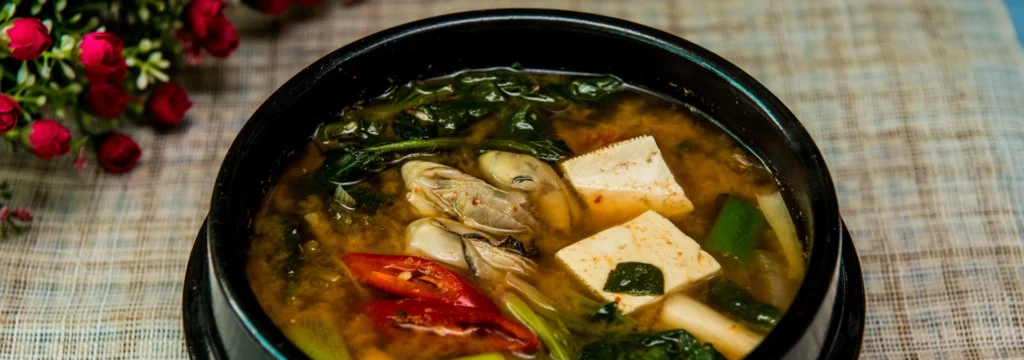
Umami is, alongside sweet, salty, sour and bitter, the fifth taste that plays a special role in cooking. It is often described as ’savory‘ or ‚pleasant-tasting.‘ It gives many dishes an incomparable depth. But what exactly is it, where does this taste occur, and how can you use it in your kitchen? In this article you will learn everything about Umami – from its discovery to its many applications in the kitchen.
What does Umami mean?
The word ‚Umami‘ comes from Japanese and roughly translates as ‚pleasant-tasting‘ or ‚delicious.‘ It describes the taste of foods that are rich in glutamate, inosinate and guanylate – three substances that act as so-called taste enhancers. This taste is not perceived like sweet or salty, but adds a pleasant depth to dishes and a sensation of fullness in the mouth.
The discovery
The fifth taste was discovered in 1908 by the Japanese scientist Kikunae Ikeda, who analyzed the taste of Dashi, a traditional broth. He found that the intense flavor of kombu algae (a main ingredient in Dashi) was due to glutamate. Later, scientists identified further substances such as inosinate, found in meat, and guanylate, present in mushrooms, as carriers of the Umami taste.
Science later confirmed that the human tongue has specific receptors for Umami, which makes this taste an official fifth taste.
Which foods contain Umami?
It is present in many natural foods. Some examples are:
- Seaweeds: Kombu and wakame are rich in naturally occurring glutamate.
- Mushrooms: Shiitake, button mushrooms and morels contain guanylate and provide an intense note.
- Meat and fish: Particularly beef, pork, chicken, tuna and anchovies are sources of inosinate.
- Fermented foods: Soy sauce, miso, fish sauce and kimchi contain high concentrations of it.
- Aged cheeses: Parmesan, Roquefort and Cheddar are characterized by their intense flavor.
- Tomatoes: Especially sun-dried tomatoes and tomato paste exhibit this taste.
- Legumes: Peas and beans also display this character.
Umami in the kitchen
Umami is an important component of cuisine worldwide, from Asian to Mediterranean cooking. It makes dishes taste more intense and rounded. Here are some tips on how to use this flavor profile in your recipes:
1. Umami „bombs“
Combine foods with a high umami content to increase intensity. An example is pasta with a sauce of tomatoes, Parmesan and anchovies – a true umami bomb.
2. Use fermented ingredients
Fermented products such as miso, soy sauce or fish sauce are versatile and give soups, stews or dressings a pronounced umami note.
3. Mushrooms
Mushrooms are an excellent way to bring savory flavor to vegetarian or vegan dishes. Use Shiitake or dried mushrooms for soups, sauces or stir-fries.
4. Tomatoes
Sun-dried tomatoes or tomato paste are excellent sources. They are ideal for giving sauces, soups or stews more depth of flavor.
5. Cheese
Parmesan and other aged cheeses are rich in umami and can be grated or used as a garnish in dishes.
The role of umami in nutrition
Umami is not only a pleasure for the palate but also has nutritional benefits:
- Appetite stimulating: It stimulates the appetite and can help improve the palatability of healthy but often less popular foods such as vegetables.
- Salt Reduction: It can amplify the perception of salt, which makes it possible to reduce the salt content in dishes without having to forgo flavor.
- Increased satiety: Studies show that this taste promotes a feeling of fullness, which can help regulate calorie intake.
Umami and culture
The umami taste is deeply rooted in many cuisines around the world:
- Japanese cuisine: Dashi, Miso und Sojasauce sind die Grundpfeiler der Umami-Aromen in der japanischen Küche.
- Italian cuisine: Parmesan, dried tomatoes and anchovies are typical umami sources in classic dishes such as pasta and risotto.
- Chinese cuisine: Fermented bean pastes and oyster sauce give dishes like Mapo Tofu or stir-fried vegetables an intense savory flavor.
- Mediterranean cuisine: Olives, capers and feta are frequently used umami ingredients.
Discover this taste for yourself
If you want to experience the effect of umami yourself, you can experiment with simple recipes:
Recipe: Umami broth
Ingredients:
- 1 liter water
- 10 g dried shiitake mushrooms
- 1 piece of kombu seaweed
- 2 tbsp soy sauce
Preparation:
- Soak the kombu and dried shiitake in the water and let steep for at least 30 minutes.
- Heat the mixture slowly without bringing it to a boil, and add the soy sauce.
- Let the broth steep for 10 minutes and remove the solids.
This umami broth can be used as a base for soups, sauces or stews.
Umami and sustainability
Umami can also contribute to promoting a sustainable diet. By using plant-based umami sources such as mushrooms, algae or fermented foods, you can reduce meat without sacrificing flavor. This supports a resource-efficient way of eating and encourages dietary variety.
Conclusion
Umami is more than just a taste — it is an experience that elevates dishes to a new level. By using natural sources such as algae, mushrooms or fermented foods, you can enrich your cooking while also cooking more sustainably. Experiment with the ideas presented and discover how this fifth taste can refine your dishes and engage your senses. It is a key to flavorful and conscientious cuisine appreciated around the world.