
Healthy Eating in Autumn – Strengthening the Body and Immune System
Autumn brings not only cooler temperatures and shorter days, but also a variety of seasonal foods. These foods can help us stay healthy through the cold season. Switching to a healthy autumn diet supports our immune system and supplies us with important vitamins and nutrients. The body is prepared for winter. In this text you will find which foods are particularly recommended in autumn, how you can integrate them into your meal plan and what health benefits they offer.
1. Why is healthy eating important in autumn?
With autumn come cold days, wind and rain. These weather changes often affect our immune system, and the risk of colds and flu-like infections increases. A balanced diet with fresh, seasonal foods strengthens the body, and the right nutrition helps support the immune system. In addition, our energy needs change because we often move less in autumn and the body requires more energy to stay warm.
Seasonal foods offer a particular advantage: they are not only fresh and nutrient-rich, but generally also cheaper and more environmentally friendly because they have not undergone long transport routes. In addition, many autumn fruits and vegetables provide important nutrients that are especially in demand at this time of year.
2. Seasonal and Regional: Autumn Superfoods
Autumn is rich in seasonal treasures that supply the body with essential nutrients. Here are some of the best foods that should be on your autumn meal plan:
a) Pumpkin – The Star of Autumn
Pumpkins are the typical autumn vegetable and a real all-rounder. They contain a lot of fiber, which provides lasting satiety, while being low in calories. In addition, pumpkin is rich in vitamin A, which supports the eyes and protects the skin. The Hokkaido pumpkin is particularly popular because its skin can be eaten. Whether as soup, roasted vegetables or in a casserole – pumpkin is versatile and easy to prepare.
b) Apples – The Classic for the Immune System
Apples are not only a popular fruit in autumn, they are also extremely healthy. They contain many vitamins, especially vitamin C, which strengthens the immune system. In addition, the fiber in apples promotes digestion and provides prolonged satiety. Apples can be eaten raw or cooked, e.g. as compote.
c) Beetroot – a colorful nutrient source
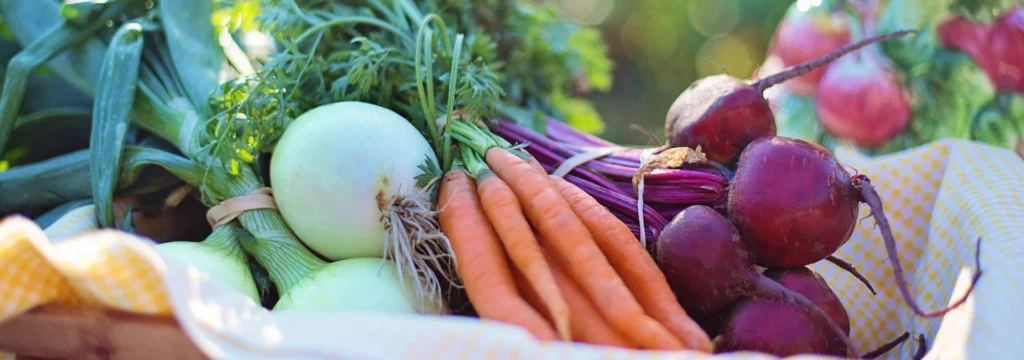
Beetroot is a real powerhouse. It is rich in folic acid, iron and vitamin C, making it ideal for strengthening the immune system and supporting the circulatory system. It also contains antioxidants that protect the body from harmful free radicals. Beetroot can be used raw in salads or cooked in soups and casseroles.
d) Mushrooms – the autumn protein source
Fresh mushrooms such as button mushrooms, chanterelles and porcini are widely available in autumn. They are low in calories and provide valuable protein as well as minerals like potassium and phosphorus. Mushrooms are ideal as an ingredient in savory autumn dishes, such as mushroom sautés, soups or as a side to meat dishes.
e) Nuts – energy-rich snacks
Nuts such as walnuts, hazelnuts and almonds are in season in autumn and supply healthy fats, proteins and fiber. They are an ideal snack between meals and, thanks to their omega-3 fatty acids, support heart health. They are also excellent for enhancing salads, muesli or autumn baked goods.
3. Tips for a balanced autumn cuisine
Healthy eating in autumn does not mean giving up enjoyment. On the contrary: autumn cuisine offers a wide range of tasty and healthy recipes. Here are some tips on how you can eat healthily and balanced:
a) Soups and stews
Soups and stews are especially popular in autumn because they warm the body from the inside while providing many nutrients. Use seasonal vegetables such as pumpkin, carrots, beetroot and cabbage to prepare nutritious and filling meals. The long cooking time in a stew intensifies the flavors and allows you to incorporate large quantities of vegetables into a single meal.
b) Warm breakfast
Instead of cold muesli or yogurt for breakfast, you can switch to warm alternatives in autumn. A warm porridge (oatmeal) with apples, nuts and cinnamon is not only tasty but also provides energy for the day and keeps you full for longer. Oat flakes contain plenty of fiber, which supports digestion and provides sustained satiety.
c) Buy seasonal and regional
To obtain the best nutrients from your food, you should rely on seasonal and regional products. These are not only fresher but generally also more environmentally friendly, as they have not undergone long transport routes. Visit weekly markets or farm shops in your area to buy fresh fruit and vegetables directly from the producer.
d) Healthy snacks
Even in autumn a snack now and then is fine. Instead of reaching for unhealthy crisps, choose healthy alternatives such as nuts, dried fruit or vegetable sticks with hummus. Homemade energy balls made from oats, nuts and dates are also a tasty and healthy snack for in between meals.
4. Health benefits of autumn nutrition
A healthy autumn diet offers many benefits for the body:
a) Strengthening the immune system
Seasonal foods available in autumn are rich in vitamins, especially vitamins C and A, which strengthen the immune system and help prevent colds and flu. Foods such as apples, beetroot, pumpkin and mushrooms contain important antioxidants that protect the body from free radicals.
b) Improved digestion
Many autumn vegetables such as pumpkin, carrots and beetroot are high in dietary fiber, which promotes digestion. A fiber-rich diet not only helps keep the gut healthy but also provides a long-lasting feeling of fullness.
c) Energy and satiety
The cooler season often requires more energy to keep the body warm. Nutritious foods such as nuts, pumpkin and mushrooms provide sustained energy and help you feel full and energized throughout the day.
Conclusion
Autumn offers a rich variety of seasonal foods that are not only tasty but also provide a range of health benefits. With a balanced diet of fresh, regional ingredients you can strengthen your immune system, support your digestion and prepare your body optimally for winter. Whether you enjoy pumpkin soup, autumn stews or fresh apples — the options for healthy eating in autumn are almost endless. Use the season to try creative recipes and enrich your meal plan with valuable nutrients!