
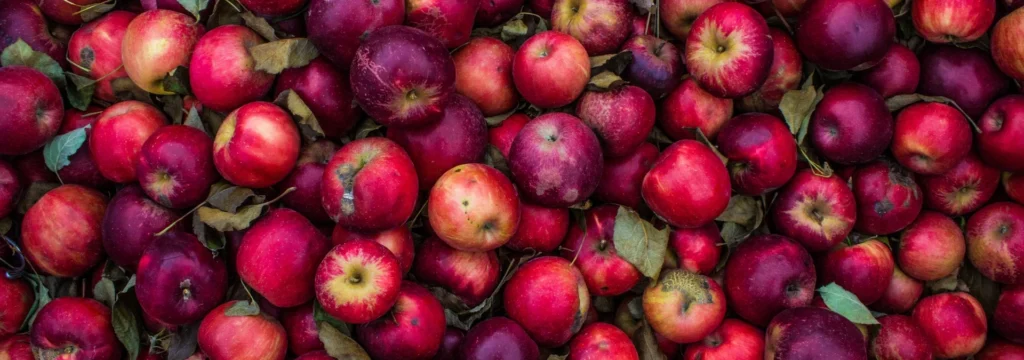
Apples are among the most popular and healthiest fruits worldwide. They are delicious and versatile. They are also rich in vitamins, minerals and dietary fiber. These properties make the fruit an ideal daily companion for a healthy diet. In this text you will learn why they are so healthy and what health benefits they offer, and which nutrients apples contain and how you can integrate them into your meal plan.
1. The nutrient power
Apples are genuine nutritional powerhouses. They contain important vitamins and minerals that support the body in a variety of ways. The key nutrients in apples include:
- Vitamin C: A medium apple contains about 14% of the daily requirement of vitamin C, which strengthens the immune system and protects the body from free radicals.
- Dietary fiber: The fruit is rich in pectin, a soluble fiber that promotes digestion and helps regulate blood sugar levels.
- Potassium: This essential mineral supports heart health and helps regulate blood pressure.
- Antioxidants: Apples contain antioxidants such as quercetin and catechin, which have anti-inflammatory effects and reduce the risk of chronic diseases.
2. Health benefits of the apple
a) Strengthening the immune system
Thanks to their high vitamin C content, apples are ideal for strengthening the immune system. Regular consumption can help prevent colds and infections, especially in colder seasons when the immune system is often challenged.
b) Supporting digestion
The fiber in apples, particularly pectin, supports healthy digestion. It helps ensure smooth and regular bowel function and can help prevent constipation. Fiber is also important for maintaining intestinal health.
c) Improving heart health
Potassium, a significant component of apples, contributes to lowering blood pressure and can protect the heart from excessive strain. In addition, antioxidants can help regulate cholesterol levels.
d) Weight control
Apples are low in calories, high in fiber and have a high water content. They are the ideal snack for anyone who wants to control their weight or lose weight. The high fiber content ensures that one feels full for longer after eating an apple. And this can prevent sudden cravings.
e) Protection against chronic diseases
The antioxidants and polyphenols in apples have been shown to have anti-inflammatory properties and can reduce the risk of chronic diseases such as type 2 diabetes, heart disease and even certain types of cancer. Studies have shown that people who regularly eat apples have a lower risk of these conditions.
3. Apples in the kitchen – versatility on the meal plan
Apples are incredibly versatile and can be used in numerous dishes. They work for both sweet and savory recipes and are therefore ideal for adding variety to the meal plan. Here are some ideas on how you can integrate this healthy fruit into your daily diet:
a) Breakfast with apples
Start your day with a healthy breakfast by adding apples. Slice fresh pieces into your muesli or porridge to give your breakfast a fruity sweetness and additional nutrients. Apples also integrate perfectly into smoothies.
b) Healthy snacks
Apples are an ideal snack between meals. They are easy to take with you, refreshing and provide quick energy. Combine apple slices with some nut butter or Greek yogurt for an especially nutrient-rich snack that keeps you full for longer.
c) Savory dishes with apples
Apples not only suit sweet dishes but also lend a distinctive note to savory foods. In salads, combined with walnuts, cheese or arugula, they provide a fruity freshness. They also integrate well into savory dishes such as curries or with pork. They give the dishes a pleasant sweetness.
d) Baking with apples
The classic, of course, is apple cake. The fruit is excellent for baking, whether in the form of apple cake, strudel or muffins. Because of their natural fruit sugar you can often reduce the sugar content in baking recipes. Apple chips or baked apple slices are also great, healthy alternatives to sweet snacks.
e) Applesauce and apple juice
Applesauce is a simple and delicious way to process apples. You can use it as a dessert, side dish, or even as a substitute for fat in baking recipes. Apple juice is another popular way to enjoy the fruit; however, you should make sure to choose unsweetened juice or make it yourself to control the sugar content.
4. Buying and storing apples
To fully benefit from the health advantages of apples, pay attention to the freshness and quality of the fruit. Preferably buy regional apples, as these are fresher and retain more nutrients. Apples should be firm and free of bruises. Color varies by variety but should be rich and even.
For storage, cool, dry places are suitable. The best option is the refrigerator, where they can stay fresh for several weeks. Make sure they are not stored near other fruits such as bananas or pears, as these emit ethylene, which accelerates the ripening of apples.
5. Varieties and their characteristics
There are over 30,000 apple varieties worldwide, each with its own flavor profile and uses. Here are some popular varieties and their characteristics:
- Braeburn: A sweet-tart apple with firm flesh, ideal for baking.
- Elstar: An aromatic apple with delicate acidity, perfect for applesauce.
- Granny Smith: A particularly tart apple well suited for salads.
- Golden Delicious: A sweet apple with softer flesh, ideal for snacks or desserts.
- Boskoop: A large, tart apple, perfect for baking.
Depending on the recipe and your preference, you can choose the appropriate variety.
6. Conclusion: The apple — the healthy favorite fruit
Apples are for good reason one of the world’s most popular fruits. They are nutrient-rich, versatile, and support health in multiple ways. From strengthening the immune system to promoting digestion to offering protection against chronic diseases, apples provide numerous benefits. They are also easy to store and practical to take on the go, and they can be incorporated into many recipes.
Eating an apple daily not only does something good for your body but also provides a fresh, tasty snack that can accompany you throughout the year.