
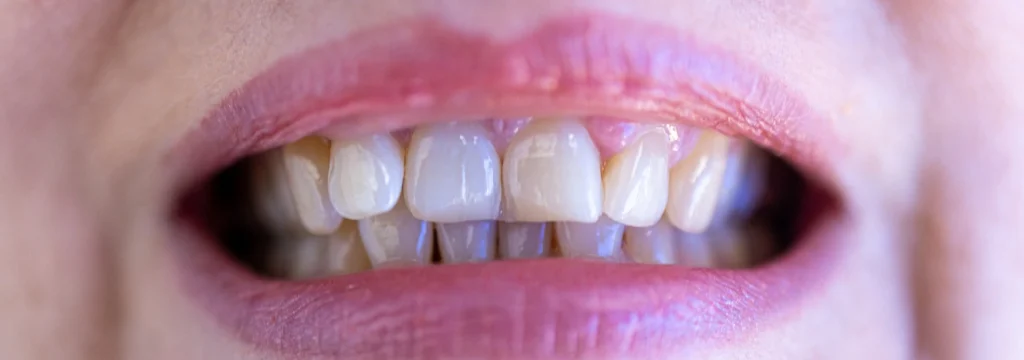
Oral hygiene is a central component of overall health and plays an essential role in keeping teeth and gums healthy. Daily oral care can prevent dental diseases such as tooth decay, gum disease, or bad breath. In this text you will learn what good oral hygiene consists of. And also which techniques and aids exist to optimally care for teeth and the oral cavity. And how oral health can also affect the well-being of the entire body.
1. What is oral hygiene?
Oral hygiene refers to all measures taken to keep the oral cavity clean and healthy. It primarily includes tooth brushing, cleaning the interdental spaces, and rinsing the mouth. Good oral hygiene prevents the growth of bacteria and plaque on the teeth and in the gums. These bacteria can lead to various conditions such as tooth decay or gum inflammation if they are not removed regularly.
2. Why is oral hygiene important?
Good oral hygiene is essential to prevent tooth and gum diseases. Dental diseases such as tooth decay and periodontitis arise from bacteria that settle in the oral cavity. These bacteria break down food residues and produce acids that attack tooth enamel and cause decay. In addition, insufficient oral hygiene can lead to gum inflammation (gingivitis), which, if left untreated, can progress to more severe conditions such as periodontitis and ultimately result in tooth loss.
But it is not only the oral cavity that is affected. Studies have shown that poor oral hygiene can be associated with systemic diseases such as cardiovascular disease, diabetes, and respiratory illnesses. This is because bacteria from the oral cavity can enter the bloodstream and trigger inflammation throughout the body.
3. Fundamentals of oral hygiene
The basis of any good oral hygiene is regular tooth brushing. Here are the most important steps to ensure effective oral care:
a) Proper tooth brushing
Teeth should be brushed at least twice daily, ideally in the morning after breakfast and in the evening before going to bed. It is important to use a toothbrush with soft bristles to protect the gums. The following techniques help to clean the teeth thoroughly:
- Technique: Use a gentle, circular motion and make sure to reach every surface of the teeth, both the front, the back and the chewing surfaces.
- Duration: Brush your teeth for at least two minutes.
- Toothpaste: Use appropriate toothpaste to prevent tooth decay and maintain fresh breath. Products from the companies Apeiron and Benecos are recommended.
b) Cleaning of interdental spaces
Dental floss or interdental brushes are necessary to clean the areas between the teeth that the toothbrush cannot reach. The interdental spaces are particularly susceptible to tooth decay and gum disease because food debris and plaque accumulate there easily.
- Dental floss: Using dental floss at least once daily helps remove plaque and food debris from between the teeth.
- Interdental brushes: These small brushes are particularly helpful for people with larger interdental spaces or for people with braces.
c) Mouthwashes
Mouthwashes are a supplementary measure to daily oral care. They can help reduce bacteria throughout the oral cavity and freshen breath. Antibacterial mouthwashes are particularly helpful for people prone to gum problems.
4. The role of nutrition
A healthy diet also plays an important role in oral health. Consuming sugar-rich foods and drinks can increase the risk of tooth decay, as sugar is the primary food source for the bacteria that cause decay. It is advisable to reduce sugar intake and instead follow a balanced diet with plenty of fruits and vegetables, which are rich in vitamins and minerals to help strengthen the teeth.
Calcium-rich foods such as dairy products support dental health because calcium is an important component of strong teeth. Additionally, consuming raw fruits and vegetables promotes saliva production, which in turn helps neutralize food residues and acids in the mouth.
5. Regular dental visits
In addition to daily care, it is essential to visit the dentist regularly. These oral hygiene visits should take place at least twice a year to detect and treat problems early. The dentist removes stubborn dental deposits (tartar) that cannot be fully removed by daily home cleaning, and performs a thorough examination of the teeth and gums.
a) Professional dental cleaning
A professional dental cleaning (PZR) performed by the dentist is a sensible complement to at‑home oral hygiene. Tartar and persistent deposits are removed and the teeth are thoroughly polished. A PZR can help reduce the risk of gum disease and remove stains caused by coffee, tea or nicotine.
6. Common problems arising from inadequate oral hygiene
If oral hygiene is neglected, various tooth and gum conditions can occur:
- Caries: Results from the accumulation of plaque and the breakdown of sugars by bacteria, leading to destruction of the tooth enamel.
- Gingivitis: An inflammation of the gums caused by bacteria. If left untreated it can progress to periodontitis.
- Periodontitis: An advanced inflammation of the gums that can also affect the jawbone. Periodontitis can lead to tooth loss if not treated.
- Halitosis: Poor oral hygiene can cause persistent bad breath, as bacteria accumulate in the oral cavity and release gases.
Conclusion
Good oral hygiene is essential for the health of teeth and gums. With the correct brushing technique, the use of dental floss and regular dental check-ups, the risk of caries, gum disease and other oral problems can be significantly reduced. Additionally, a healthy diet and avoiding sugary foods play an important role. Adhering to these simple measures not only supports oral health but also promotes overall well‑being.