
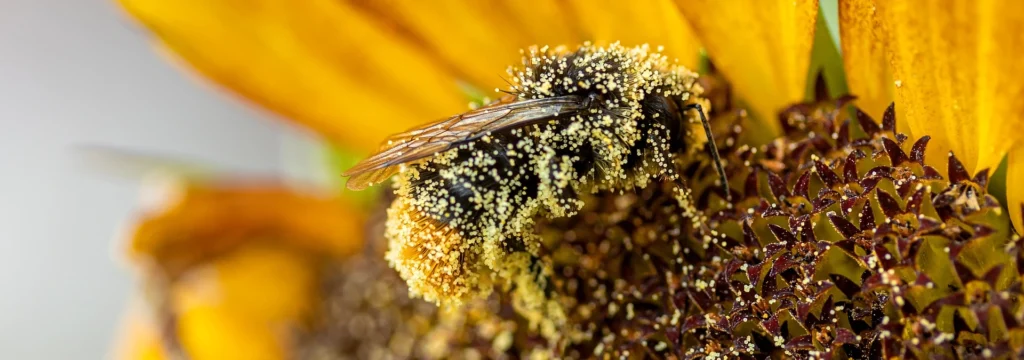
Spring is the most beautiful time of year for many people: the days grow longer, the sun gains strength and nature awakens to new life. But while plants bloom and trees leaf out, the pollen season begins for millions of allergy sufferers — a challenging period. Pollen in spring trigger symptoms such as sneezing, itching, watery eyes and even shortness of breath in sensitive individuals. What drives pollen dispersal, why spring is particularly intense and how you can protect yourself are explained here.
What exactly are pollen?
Pollen are tiny grains of flower dust produced by plants for reproduction. They contain the male portion of genetic material and are carried by wind or insects to other plants of the same species — a process known as pollination.
Some plant species release particularly large quantities of pollen to increase their chances of successful reproduction. Above all, wind-pollinated plants such as birch, hazel, alder or grasses are the main contributors to pollen allergies, since their pollen is produced in large amounts and carried long distances by the air.
Why is spring particularly rich in pollen?
In spring nature virtually explodes. As early as February the hazel begins to flower, followed by alder, birch and ash. Depending on weather conditions and region, the pollen flight therefore starts significantly earlier than many expect. Particularly mild winters can bring the season forward by several weeks.
From March and April, pollen dispersal in Central Europe reaches its first peak. Concentrations in the air rise and allergy sufferers increasingly experience symptoms. The peak varies by region and annual weather, but the first spring months are generally regarded as particularly intense.
Typical symptoms of a pollen allergy (hay fever)
When the immune system overreacts to otherwise harmless pollen, this is called a pollen allergy or hay fever. The complaints arise from an excessive release of histamine and other mediators in the body. Typical symptoms are:
- Frequent sneezing
- Itchy or blocked nose
- Watery, burning or red eyes
- Itching in the throat or in the ears
- Fatigue, concentration problems
- In severe cases: asthma-like symptoms
Many affected people notice that symptoms intensify in dry, windy weather – because especially many pollen are then in the air.
The pollen calendar – who blooms when?
A pollen calendar helps allergy sufferers prepare better for the pollen season. Below is an overview of common triggers in spring:
- February – March: Hazel, Alder
- March – April: Poplar, Willow, Elm
- April – May: Birch, Ash, Beech
- May – June: Grasses, Rye, ribwort plantain
Exact flight times can vary depending on weather, region and altitude. In urban areas, pollen season often starts earlier than in rural regions.
Why are pollen allergies increasing?
The number of people with pollen allergies has been rising for decades. Experts point to several causes:
- Climate change: Milder winters and warmer springs lengthen the flowering period of many plants.
- Air pollution: Pollutants such as fine dust can make pollen more aggressive and additionally irritate the mucous membranes.
- Hygiene hypothesis: Excessive hygiene during childhood may train the immune system less and increase allergy susceptibility.
What helps against pollen?
There are many measures to reduce exposure to pollen and alleviate symptoms. Here are some proven tips:
1. Plan time outdoors
- Avoid walks in dry, windy weather.
- After rain, pollen levels are usually significantly lower.
- In rural areas, concentrations are highest in the morning; in cities, in the evening.
2. Clothing and hair
- Change clothing after returning home.
- Wash your hair before going to bed – this prevents pollen from ending up in the bed.
3. Keep the apartment pollen-free
- Ventilate preferably only at times with low pollen counts (e.g., after rain).
- Use pollen screens on windows and pollen filters in ventilation systems.
- Mop floors regularly.
- Avoid drying laundry outdoors during the main season.
4. Medical treatment
- Antihistamines relieve symptoms such as sneezing and eye irritation.
- Corticosteroid nasal sprays act as local anti-inflammatories.
- Hyposensitization (allergy immunotherapy) can reduce or even eliminate the allergy in the long term – particularly for birch or grass pollen.
Home remedies for hay fever
In addition to conventional medicine, many allergy sufferers swear by natural remedies:
- Saline nasal rinses cleanse the mucous membranes.
- Black seed oil is said to stabilize the immune system.
- Local honey is promoted as a „natural desensitization agent“ – however, scientific proof is still lacking.
Pollen allergy or a cold?
Some symptoms such as coughing, sneezing or fatigue overlap with colds. A typical feature of hay fever, however, is:
- No fever
- Symptoms occur seasonally
- Eye involvement is common (itching, redness, tearing)
- Symptoms improve indoors
If in doubt, an allergy test by a physician is advisable.
Conclusion: Enjoy spring despite pollen
Spring pollen are part of nature — but for allergy sufferers they are a real burden. With the right knowledge, adjusted everyday routines and, where appropriate, medical support, the season can be managed well. A personal allergy passport, consulting the daily pollen forecast and tried-and-tested protective measures help preserve quality of life — and make it possible to enjoy spring despite the pollen.