
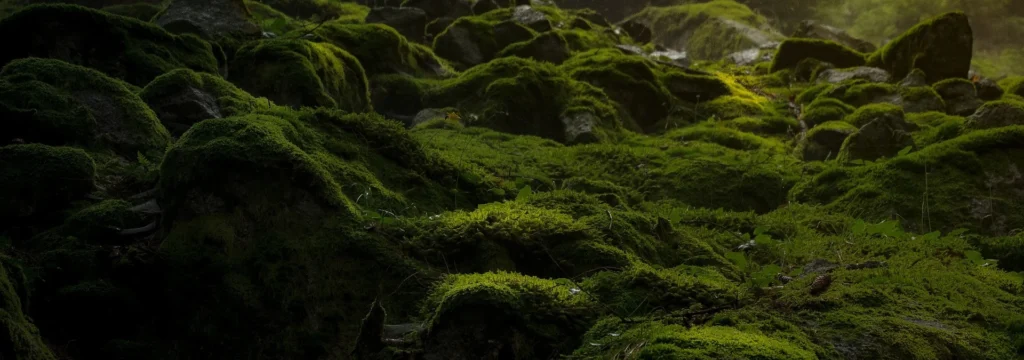
Moss is a fascinating plant that occurs in many different habitats and is often overlooked. But it not only has notable biological significance; it also plays a role in garden design and in traditional naturopathy. In this article you will learn everything you need to know about moss, including its types, habitats and the benefits moss provides to the environment and the garden.
What is moss?
Mosses belong to the group of non-flowering plants that do not produce flowers or seeds. They are among the oldest plant species on Earth and are known as bryophytes. These plants do not have roots in the conventional sense but have so-called rhizoids, which help them absorb water and nutrients from their surroundings.
The main types of moss
There are more than 12,000 species of moss worldwide. Some of the best-known moss types commonly found in domestic gardens and forests are:
- Leafy mosses: These mosses grow in dense, cushion-like mats and are often found in moist, shaded environments.
- Liverworts: These mosses are characterized by their flat, liver-like leaves and are often found in boggy areas.
- Hornworts: These mosses are less common, but their sporophytes, which grow on long stalks, are often easy to recognize.
Habitats of moss
They are extremely adaptable and can thrive in a variety of habitats. They are particularly common in moist, shaded areas but also grow in drier environments if sufficient moisture is available. We frequently find moss in the following habitats:
- Forests and forest edges: It is a common sight in many forests. Mosses grow luxuriantly, especially in shaded, moist locations.
- Rocks and stones: In mountains and on cliffs, mosses can thrive on rocks and stones because they are able to absorb water from the air and rain.
- Bogs and swamps: Bogs are a particularly suitable habitat for many moss species because conditions there are wet and nutrient-rich.
- Roofs and walls: In urban areas moss commonly grows on roofs, walls and paths, especially where moisture and shade are present.
Moss in the garden – decoration and benefits
Moss is not only an important element of nature but is increasingly used in garden design. With its lush, green surface it can lend a garden a unique and calming appearance. Here are some advantages that moss offers in the garden:
1. Aesthetic Value
It is ideal as a ground cover to conceal unsightly spots or to green shady areas. It gives the garden a natural, tranquil appearance and is an ideal solution for places where other plants cannot thrive.
2. Moisture Regulation
Moss can help regulate soil moisture by storing excess water and releasing it slowly. This is particularly advantageous in gardens located in regions with variable climates.
3. Water Uptake and Storage
Mosses take up and retain water very efficiently. This can be very useful during periods of drought or irregular rainfall, as it helps keep the soil evenly moist.
4. Low-maintenance and Sustainable
It is extremely low-maintenance, as it requires no fertilization or regular watering. It grows well in shady, damp areas and is therefore particularly suitable for shaded gardens or north-facing aspects.
Moss as an Air Filter and Environmental Aid
Moss plays an important role in the ecosystem, as it can not only contribute to improving air quality but also reduce CO2 levels in the atmosphere. It absorbs CO2 and releases oxygen, which improves air quality and contributes to combating climate change.
Mosses are also excellent water filters. They absorb excess nutrients and pollutants from water and thus contribute to the purification of bodies of water. In damp environments they help stabilize the soil and prevent erosion by binding the soil together.
Moss in Naturopathy
In traditional Naturheilkunde it is valued for its beneficial properties. Some moss species, such as Isländisches Moos, are used to treat respiratory conditions because they are said to have a soothing effect on coughs and the bronchi. Moosextrakte are also components of some herbal cough remedies and teas.
In scientific research
Scientists and researchers study mosses to understand their remarkable ability to absorb CO2 and to potentially apply this in climate research projects. Mosses can endure extreme climatic conditions and may be significant in Klimaforschung for better understanding the impacts of climate change.
Moss care: Tips for the garden
Although it is relatively low-maintenance, there are some measures you can take to ensure it thrives in your garden:
- Moisture is critical: Moss requires regular moisture to grow well. Ensure the location stays damp without standing water.
- Choose shady locations: Moss grows best in shaded areas where it is not exposed to direct sunlight.
- Avoid heavy soil disturbance: It prefers a stable location where it is not disturbed. Avoid intensive soil cultivation, as this can damage the moss.
- Soil conditions: Moss thrives best on slightly acidic soil. If you want to establish it in your garden, make sure the soil meets these requirements.
Conclusion
Moss is a fascinating and versatile plant that occurs in many different habitats and offers significant benefits both for the environment and for the garden. Because of its aesthetic qualities, low-maintenance nature and its role as an environmentally friendly helper, it is a valuable plant for nature enthusiasts and gardeners. Whether as a Bodendecker, as a Luftfilter or as part of traditional remedies — moss has many advantages that make it a valuable resource for nature and the garden.