
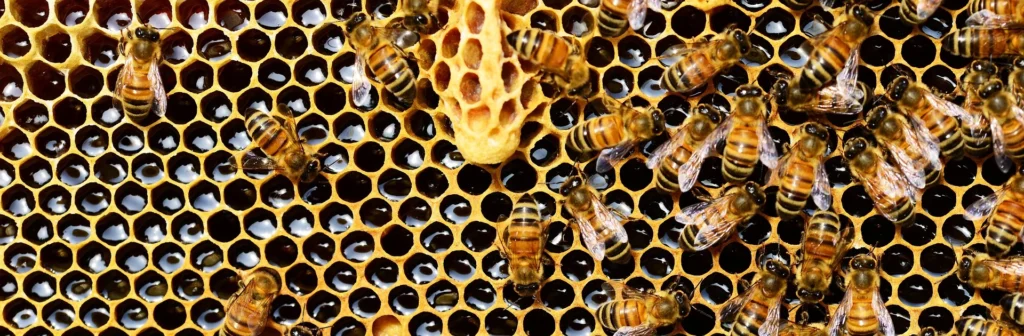
Propolis, also known as bee resin, is a resinous substance produced by honey bees. This versatile natural product is known for its many properties and has traditionally been used to support the immune system and to treat skin conditions. In this text you will learn more about its formation, history, constituents, health benefits and the various applications of propolis.
1. What is Propolis?
Propolis is a mixture of resins that bees collect from various plants and trees, particularly from buds and bark. These resins are mixed in the hive with wax and enzymes, producing propolis. The bees use it to seal and protect the hive. It acts as a natural barrier against bacteria, viruses and fungi, thereby contributing to the health of the bee colony.
The word „Propolis“ comes from Greek and means „before the city.“ This name emphasizes the protective function it has for the bee colony, similar to a city wall. It protects the hive from external influences and pathogens and ensures that the colony can live in a sterile environment.
2. Early use
The history goes back to antiquity. Archaeological finds and historical records show that it was used as a natural remedy in many ancient civilizations:
- Egypt: The ancient Egyptians were known to use propolis for medical purposes. They used it to treat infections and to promote wound healing. It was also employed in the embalming of mummies because its antibacterial properties could delay decomposition of the body.
- Ancient Greece: The Greeks valued propolis as a panacea. The Greek physician Hippocrates, often called the father of modern medicine, used it to treat ulcers and skin diseases.
- Roman Empire: The Romans also recognized the medical benefits of propolis. The Roman physician Pliny the Elder wrote about its healing properties and recommended it for wound care and the relief of skin problems.
3. Propolis in the Middle Ages
In the Middle Ages propolis remained a valuable remedy, used primarily in monasteries and by healers. Because it is largely antiseptic, it was applied for wound healing and disinfection. Medieval manuscripts contain references indicating that it was used against skin diseases and inflammations.
It was also a fixed component of folk medicine. It was believed to possess ‚cleansing powers‘ and to be able to prevent infections. Due to the close connection to bees and nature, it also played a role in ritual and spiritual practices, as bees were ascribed special abilities.
4. Renaissance and Enlightenment
During the Renaissance, scientific interest in natural remedies began to emerge, and propolis was examined more closely. Researchers and physicians of the time described the properties and potential uses of propolis and found further evidence of its antibacterial and anti-inflammatory effects.
In the 17th century, researchers systematically investigated propolis and its effects on human health and documented its use to relieve infections and inflammations. Propolis was used in ointments and tinctures for wound healing and for treating skin conditions.
5. Constituents of Propolis
Propolis contains a variety of substances. The main components are:
- Resins and balsams: They account for approximately 50% of propolis and are plant-derived. These resins contain valuable antioxidants.
- Wax: Approximately 30% of propolis consists of beeswax, which also offers protective properties.
- Essential oils: These contribute to the characteristic aroma of propolis.
- Polyphenols and flavonoids: These plant compounds are known for their antioxidant and anti-inflammatory properties.
- Minerals and trace elements: Iron, zinc and magnesium are among the important minerals present in propolis.
5. Properties
Propolis has been recognized for centuries as a natural remedy and is valued across cultures. The primary health benefits include:
a) Immune system support
Propolis is reported to strengthen the immune system and help protect the body against infections.
b) Anti-inflammatory properties
The anti-inflammatory properties can be particularly useful for conditions driven by inflammation.
c) Skin care and wound healing
Use products containing propolis for the treatment of minor skin issues.
d) Dental and oral care
Bee resin is also popular in dental and oral care. Its beneficial properties make it a common ingredient in toothpastes and mouthwashes.
6. Possible applications
It can be applied in various ways depending on the need and desired effect:
a) Tincture
Propolis tinctures can generally be used both internally and externally. For example, use a tincture for gargling, and externally to treat skin irritations and minor wounds.
b) Capsules
For ingestion, propolis capsules or tablets are a practical option. They contain a concentrate and are easy to dose.
c) Ointments and creams
In skincare, propolis creams and ointments, e.g. the Bergland Propolis Aktivsalbe, are popular. They are applied directly to the affected area of skin.
d) Toothpaste and mouthwash
In oral hygiene, propolis is used as an ingredient in toothpastes or mouthwashes. The antibacterial effect helps protect the teeth and gums.
e) Honey
Propolis honey is a combination of honey and propolis and offers a tasty way to benefit from the health advantages of both natural products. It is well suited to supporting the immune system and is especially popular during the cold season.
6. Possible side effects and precautions
Use propolis products with caution, especially if you are allergic to bee products. Possible side effects include skin irritation, allergic reactions and gastrointestinal discomfort. It is recommended to test only small amounts initially to rule out potential intolerances. Pregnant and breastfeeding women, as well as children, should seek medical advice before using Propolis.
Conclusion
Propolis is a versatile natural product with a range of applications. Whether to support the immune system, for skincare or for oral health — there are multiple benefits. When used correctly, this natural product can be a valuable addition to daily care and contribute to lasting well-being. As it can also cause side effects, cautious use is advisable, particularly for people with allergies.