
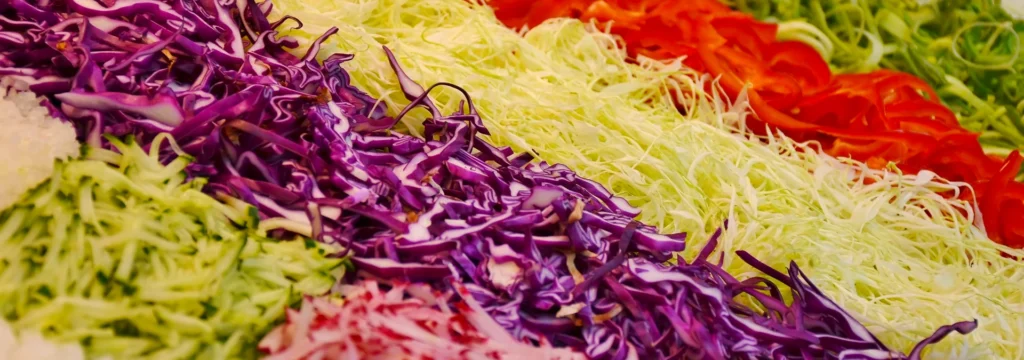
A raw food diet is an eating regime based on unprocessed and usually unheated foods. The idea is to consume foods in their most natural and nutrient-rich state.
What is included in a raw food diet?
- Fresh fruit: Fresh fruit is a main component of the raw food diet. This includes apples, bananas, berries, citrus fruits and exotic fruits such as mango and papaya. Fruit provides a rich source of vitamins, minerals and dietary fiber.
- Vegetables and leafy greens: Uncooked vegetables and leafy greens are also an important part of raw food. These include spinach, kale, salad greens, cucumbers, tomatoes and bell peppers. These foods are rich in essential nutrients and antioxidants.
- Nuts and seeds: Nuts and seeds are nutritious components of the raw food diet and provide healthy fats, proteins as well as various vitamins and minerals. Popular options include almonds, walnuts, flaxseed and chia seeds.
- Dried fruits: Dried fruits such as dates, raisins and apricots are popular in raw food. They are a good energy source and contain a range of nutrients, but also a high proportion of natural sugars.
- Sprouts and shoots: Sprouts and shoots, for example from alfalfa, lentils or beans, are nutrient-rich additions to raw food. They contain high amounts of proteins, vitamins and enzymes.
- Seaweeds and marine vegetables: Seaweeds and marine vegetables such as nori, wakame and spirulina are popular in raw food cuisine. They are particularly rich in minerals, including iodine, and offer unique health benefits.
- Fermented foods: Fermented foods such as sauerkraut, kimchi and live cultures in some yogurts also fit into a raw food diet. They are rich in probiotics that promote gut health.
- Unprocessed oils and fats: Unprocessed oils and fats, such as cold-pressed olive oil, coconut oil and avocados, are also part of raw food. They supply essential fatty acids and support the absorption of fat-soluble vitamins.
History of the raw food diet
The history of the raw food diet goes back a long way and has developed differently across various cultures over time. This article provides an overview of the historical development of the raw food movement.
- Origins in antiquity: The idea of consuming raw food is as old as humanity itself. In antiquity, before fire was used to prepare food, people ate their food raw, which typically included fruits, nuts, seeds and wild vegetables.
- Raw food in modern history: In the 19th and early 20th centuries the modern raw food movement began to take shape. Pioneers such as Maximilian Bircher-Benner, the inventor of Bircher muesli, and the German physician Maximilian Oertel promoted the consumption of raw fruits and vegetables for health reasons.
- Influence of naturopathy and vegetarianism: Naturopathy and vegetarianism played an important role in the development of the raw food movement. In the 20th century, proponents of these movements began to promote the consumption of raw food as part of a natural and healthy lifestyle.
- Development in the 20th century: In the 1960s and 1970s the raw food movement experienced a resurgence due to the emerging hippie culture and the growing interest in alternative lifestyles. This led to a rediscovery and popularization of raw food as a healthy way of eating.
- Raw food today: Today the raw food movement is part of the global health and wellness movement. With a better understanding of nutritional science and a greater focus on sustainable and ethical diets, raw food has found many adherents who seek a pure and unprocessed way of eating.
- Influence of science and technology: With advances in science and technology, the possibilities for preparing and enjoying raw food have expanded. Devices such as high-speed blenders and dehydrators enable creative and versatile preparation of raw food dishes.
Which foods should not be eaten raw?
Although a raw food diet offers many health benefits, there are certain foods that can pose potential health risks when eaten raw. Here are some examples of foods that are better cooked or otherwise processed.
- Potatoes: Raw potatoes are not only hard to digest but can also contain toxic substances such as solanine. This can lead to nausea, headaches and, in severe cases, neurological disorders.
- Legumes: Many legumes, including beans and lentils, contain natural toxins that are only neutralized by cooking. Consuming legumes raw can cause digestive issues and impair the absorption of important nutrients.
- Rhubarb leaves: Rhubarb stalks are a delicious ingredient, but the leaves should be avoided because they contain oxalic acid, which is toxic in high doses and can lead to kidney problems.
- Eggs: Raw egg white contains avidin, which can inhibit biotin absorption. Additionally, raw eggs carry a risk of Salmonella infection. Pasteurized eggs or products are a safer alternative.
- Some mushroom species: Certain mushroom species, including the common button mushroom, can be hard to digest raw and may cause mild gastrointestinal discomfort. Cooking helps make their nutrients more bioavailable and reduces potential toxins.
- Bitter almonds: Bitter almonds contain amygdalin, which can be converted in the body into toxic cyanide. They should therefore not be consumed raw. Sweet almonds, by contrast, are safe.
- Unpasteurized milk: Unpasteurized milk can contain bacteria such as E. coli, Salmonella, and Listeria. Consuming pasteurized milk is safer and reduces the risk of foodborne illness.
- CONCLUSION:: While raw foods offer many health benefits, it is important to be aware of the risks that some raw foods can pose. Proper cooking or processing of these foods can prevent health hazards.
How much raw food should you eat per day?
The amount of raw food in the diet should be tailored to individual health needs and goals. While some people benefit from a predominantly raw diet, others may require a more balanced combination of raw and cooked foods.
- Individual health needs and goals: The amount of raw food in the diet should be tailored to individual health needs and goals. While some people benefit from a predominantly raw diet, others may require a more balanced combination of raw and cooked foods.
- Balanced diet: While raw food offers many benefits, it is important to ensure a balanced diet. This means consuming cooked foods in addition to raw foods to ensure an adequate supply of all essential nutrients.
- Tolerance and personal preferences: Tolerance for raw foods varies from person to person. Some people may have difficulty digesting too much raw food, while others tolerate it without problems. Personal preferences and the body’s reactions should be considered when determining the appropriate amount of raw food.
- Recommendations: Experts often recommend consuming at least 50% of daily intake as raw food. This can be a good starting point, which can be adjusted according to individual needs and experience.
- Gradual integration into the diet: For those new to a raw-food diet, a gradual integration can be helpful. Start by including raw fruit and vegetables in every meal and gradually increase the proportion of raw foods.
CONCLUSION
The history of raw food is a fascinating part of human dietary history. From its modest beginnings in antiquity to the modern raw food movement, this dietary practice has continuously evolved and adapted to the needs and knowledge of its time. There is no single „right way“ regarding the amount of raw food one should eat. It is important to listen to the body’s signals and find a balance that provides health benefits while remaining realistic and sustainable.