
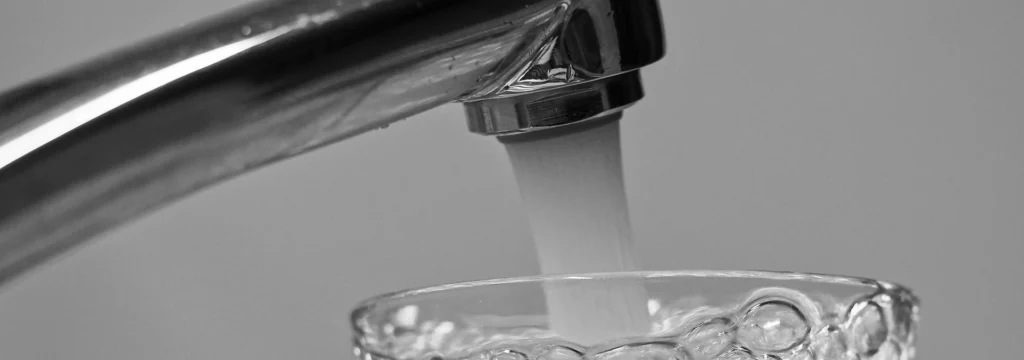
Water is not all the same – especially when it comes to hardness. In this comprehensive guide you will find everything you need to know about hard, moderately hard and soft water.
What is water hardness?
Water hardness refers to the concentration of minerals, particularly calcium and magnesium, in the water. These minerals enter the water naturally as it flows through rock and soil.
- Hard tap water has a high proportion of dissolved minerals. While it is harmless to human health, it can cause limescale deposits in the household that can affect pipes, appliances and fixtures. When washing with hard water, detergents may produce less lather and skin and hair can feel dull.
- Moderately hard tap water: Moderately hard water represents a balanced middle ground with moderate mineral content. It causes fewer problems in pipes and household appliances than hard water, but still provides some of the minerals‘ health benefits.
- Soft tap water: Soft water has a low content of dissolved minerals. It is particularly good for soap lather and leaves skin and hair feeling smoother. However, it lacks the mineral-related health benefits. In some cases soft water can also lead to corrosion in pipes.
Testing water hardness in tap water
Water hardness can be determined with simple test strips from a hardware store or via laboratory tests. Many municipalities also provide information about local water hardness.
Challenges of washing with hard tap water
Washing laundry with hard tap water presents a distinct challenge. Hard water contains high concentrations of minerals such as calcium and magnesium, which can adversely affect the cleaning power of detergents. These minerals react with the detergents and reduce their efficiency, resulting in less foaming and reduced cleaning performance.
- Understanding water hardness: Before taking measures, it is important to understand the hardness of your tap water. Water hardness is measured in degrees German hardness (°dH). Water with more than 14°dH is considered hard. Many municipal water utilities provide information about local water hardness, or you can use a test kit to measure the hardness yourself.
- Tips for effective laundry washing with hard tap water: Use specialized detergents — i.e. some detergents are specifically formulated for hard water. These products contain water softeners that neutralize the minerals in the water and increase cleaning efficiency.
- Add a water softener: If you do not use a specialized detergent, you should add a water softener to the wash cycle. These additives bind the minerals in the water, allowing the detergent to work more effectively.
- Increase the amount of detergent: In hard water you may need more detergent to achieve the same cleaning results. However, it is important to follow the manufacturer’s instructions to avoid overdosing.
- Regular cleaning of the washing machine: Hard water can leave limescale deposits in your washing machine. It is important to clean your machine regularly to maintain its efficiency and extend its service life.
Managing stubborn water stains and limescale deposits
Hard water can leave residues on dark laundry that resemble stains. In this case, use vinegar in the rinse cycle to remove these residues. Vinegar can also help dissolve limescale deposits and improve the softness of the laundry.
- The most effective method for combating limescale stains is prevention. Regular wiping and drying of surfaces after use can prevent limescale formation. Installing water softeners or filters can also help reduce the extent of limescale deposits.
- Home remedies: Vinegar is an effective natural agent against limescale. A solution of equal parts water and vinegar can be sprayed onto the affected areas and wiped off after a few minutes‘ dwell time.
Challenges of washing hair with hard tap water
- Washing hair with hard tap water can present a particular challenge. Hard water contains high concentrations of minerals such as calcium and magnesium, which can affect the appearance of the hair. These minerals can make hair heavy, dull and difficult to manage, and they can also impair the effectiveness of hair care products.
- Hard tap water is characterized by its high content of dissolved minerals. These minerals can deposit on the hair and make it difficult to fully rinse out shampoos and conditioners. As a result, hair can feel heavy and lifeless after washing.
- Using a shower filter can help reduce the minerals in hard water. Alternatively, hair can be rinsed with distilled or boiled water to minimize mineral deposits.
- Rub the hair soap directly onto wet hair and the scalp. Gently massage the soap in to achieve a cleansing effect. With hard tap water, it is important to rinse the hair soap thoroughly to avoid residue. A homemade remedy for the effects of hard water is a vinegar rinse. One part apple cider vinegar mixed with three parts water can be used as a final rinse after washing to remove mineral deposits and restore the hair’s natural shine.
Conclusion
Understanding the hardness of tap water and how to manage it is important for households and industry. By applying appropriate treatment methods, water quality can be optimized and problems avoided. Regular cleaning and immediate action at the first signs of limescale deposits can help keep the problem under control in the long term. The combination of preventive measures and the effective treatment of existing deposits is the key to dealing with limescale in the household.