
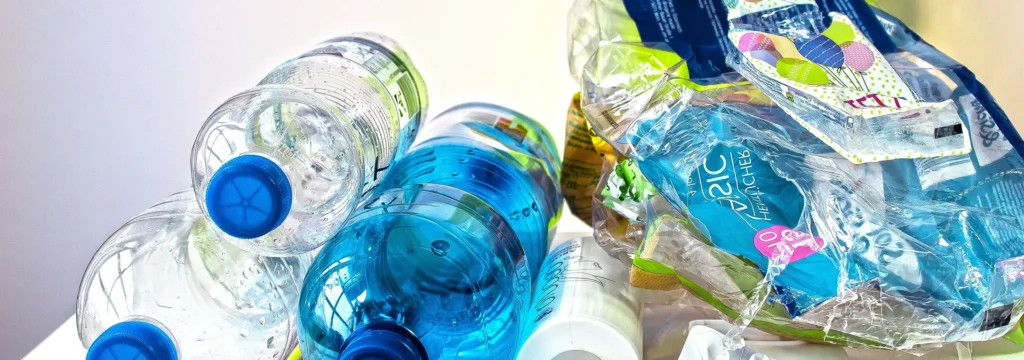
Plastic is everywhere: in packaging, clothing, electronics and household goods. This versatility has made plastic an indispensable material, but also a significant environmental problem. Each year millions of tonnes of plastic end up in the oceans and in our natural environment, where they break down only slowly over hundreds of years. A targeted reduction of plastic waste is therefore an important step toward a more sustainable world. Here you will learn how each of us can contribute.
1. Why is plastic a problem?
Plastic breaks down very slowly and can remain in the environment for hundreds of years. Single-use products, in particular—items used once and then discarded—contribute significantly to pollution. Plastic particles, also called microplastics, enter the food chain and harm ecosystems and our health. Fish, birds and other animals ingest plastic particles, which often has fatal consequences. Plastic pollution therefore affects not only the environment but people directly.
2. Avoiding plastic waste in everyday life
Avoiding plastic waste is easier than many think. It starts with small changes in daily life that can make a significant difference over time.
a) Grocery shopping
Many supermarkets offer loose fruit and vegetables that can be purchased without plastic bags. Cloth or mesh produce bags are a simple alternative. For other purchases such as rice, pasta and nuts, stores that sell products in bulk or unpackaged are suitable. Bringing your own containers also helps to avoid packaging waste.
b) Avoiding single-use products
Single-use items such as plastic bottles, cups and cutlery are often in use for only a few minutes, but their disposal imposes a burden on the environment. Reusable alternatives are appropriate here. A stainless-steel water bottle or an insulated travel mug for coffee are not only practical but also a sustainable choice.
c) Packaging-free shopping
In addition to food, hygiene products such as shampoo, hand cream and soap can be purchased in solid form or without packaging. Many drugstores now offer packaging-free alternatives or products in cardboard packaging. Buying these items at zero-waste stores encourages an awareness of sustainable consumption.
3. Reducing plastic waste at home
There are also many options at home to avoid or reuse plastic:
a) Switching to sustainable cleaning products
Many conventional cleaning agents are packaged in plastic bottles and often also contain microplastics. An alternative are biodegradable cleaning agents, for example from Sodasan, AlmaWin or Sonett. Homemade cleaners made from vinegar, citric acid and baking soda are also effective, plastic-free options.
b) Replace plastic kitchen utensils
Kitchen utensils such as cutting boards, spoons or bowls are also available in wood, glass or stainless steel. These materials are more durable and less harmful to the environment than plastic. Cling film can be replaced by beeswax wraps or reusable silicone lids.
c) Promote waste separation and recycling
Plastic waste can be reduced through consistent waste separation at home. Recyclable materials such as plastic bottles, yogurt cups and films belong in the yellow bag or the yellow bin. Mindful handling of waste and correct disposal help ensure that recyclable plastic is actually reused.
4. Sustainable alternatives in fashion and hygiene products
Clothing and cosmetic products are often sources of plastic that appear inconspicuous at first glance. Here are some alternatives:
a) Plastic-free clothing
Many garments contain synthetic fibers that release microplastics during washing. Clothing made from natural fibers such as cotton, linen or wool is a more environmentally friendly choice. Buying second-hand additionally reduces demand for new garments and therefore the environmental impact.
b) Cosmetics without microplastics
Many conventional scrubs, toothpastes and other cosmetic products contain microplastics. Products without plastic additives are labeled with appropriate certification marks. Solid shampoos such as solid shampoo Bioturm and bar soaps such as the naturhaus Alepposeife are also plastic-free options.
c) Avoid disposable products
Disposable items such as cotton swabs, cotton pads and razors contribute to plastic pollution. There are now alternatives, such as reusable cotton pads like the naturhaus washable makeup pads or metal razors, which are durable and environmentally friendlier.
d) Buy in bulk
Buying in bulk, for example for laundry and cleaning products, also saves plastic waste. A canister or a bag-in-box system replaces numerous plastic bottles. Bulk packaging for laundry and cleaning products is available from AlmaWin, Sodasan and Sonett.
5. Tips for long-term plastic reduction
The goal of a plastic-free lifestyle can be achieved by gradually adjusting habits:
a) Conscious consumption
Conscious consumption means reflecting on one’s purchasing behaviour. Before each purchase, consider whether the product is truly necessary or whether a more sustainable alternative exists. This mindful approach helps reduce plastic and conserve resources.
b) Repair instead of discarding
Instead of disposing of defective items immediately, attempt to repair them. Many products—such as clothing, electronics and furniture—can be repaired and used longer, which reduces demand for new materials and lowers plastic waste.
c) Support Zero-Waste communities
Zero-Waste communities and initiatives offer opportunities for exchange, information and practical tips for a life with less plastic. They help identify sustainable ideas and foster a collective awareness of environmental protection.
6. Why is plastic reduction important?
Reducing plastic waste is important for several reasons. Beyond pollution of the oceans and natural environments, plastic also negatively affects human health. Microplastics can enter our bodies through food and accumulate in organs. The long-term health effects are not yet fully researched, but potential risks are known. Animals are also threatened by plastic waste: many mistake plastic for food and die as a result of pollution.
Conclusion
Reducing plastic waste is a challenge that can be addressed through small, consistent steps in everyday life. From shopping to choosing cosmetic products, there are numerous opportunities to avoid plastic and replace it with environmentally friendly alternatives. Conscious consumption, waste sorting and choosing sustainable products contribute in the long term to a cleaner environment and support the health of people and nature.
Every individual contribution counts – whether by avoiding single-use plastics, buying unpackaged products or using reusable items. In this way we all make an important contribution to reducing plastic waste and to a sustainable way of life.