
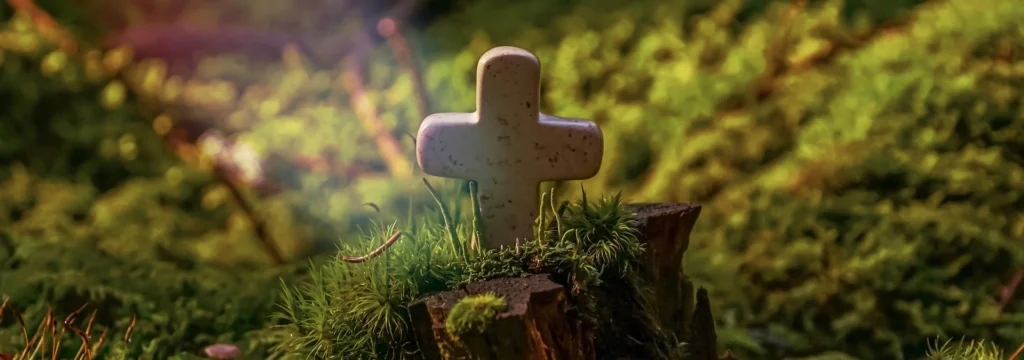
All Saints‘ Day is an important holiday observed in many Christian countries on November 1. On this day the Church commemorates all saints, especially those who have not been officially canonized. It is a time of remembrance and reverence that rests on deeply rooted traditions and customs. This text examines the origin of the holiday, its religious and cultural significance, and various regional customs.
1. Origin and history of All Saints‘ Day
All Saints‘ Day has its origins in the early Christian Church. As early as the 4th century the Church began to venerate martyrs and saints. The origin of today’s All Saints‘ feast goes back to Pope Gregory III (731-741), who established a feast in honor of all saints. Originally the holiday was celebrated on May 13. It was later, however, moved to November 1 to associate it with the Celtic festival Samhain and to integrate Christian values into the then-pagan customs.
Over the centuries All Saints‘ Day developed into an important church holiday. On this day the Church honors all those saints who do not have an individual feast day. It became a day of remembrance and prayer, especially for those people who led a virtuous life and are now venerated in heaven as saints.
2. Significance and symbolism of the feast
All Saints‘ Day is a day of reflection, remembrance and reverence. On this day the Church recalls not only the well-known saints but also the countless people who lived Christian values in their lives and are now received into heaven. The symbolism of All Saints‘ Day expresses that every person is called to holiness and that earthly life is only part of a larger spiritual existence.
In Catholic and Orthodox communities All Saints‘ Day is celebrated as a solemnity, and believers are often urged to attend services and to visit the graves of deceased relatives. The feast is a reminder of the transience of life and the hope for eternal life.
3. Traditions and customs on All Saints‘ Day
All Saints‘ Day is not only a day of remembrance but also an occasion for numerous customs and traditions that can vary from region to region. Some of the most widespread customs are:
a) Cemetery visits and grave blessings
In many countries it is tradition on All Saints‘ Day to visit and decorate the graves of the deceased. Relatives bring flowers, particularly chrysanthemums, as a sign of respect and remembrance at the graves. In Catholic parishes grave blessings often take place, during which priests bless the graves with holy water and pray for the deceased.
b) Light as a symbol of eternal life
Candles and lights play an important role on All Saints‘ Day. At many cemeteries candles are lit at night, illuminating the darkness and serving as a symbol of eternal life. These lights are intended to offer hope and to symbolize the connection between the living and the deceased.
c) Church services and devotions
On All Saints‘ Day special church services and devotions take place. These Masses have a particular significance because they emphasize the holiness of all believers and foster an awareness of the communion of saints. Often prayers are also offered for the souls of the deceased, especially on the following All Souls‘ Day.
d) Memorial services and shared meals
In some regions memorial services and shared meals are an established part of All Saints‘ Day. In rural areas traditional dishes are prepared, and families gather to eat together and remember. These gatherings serve to strengthen community and to keep the memory of the deceased alive.
4. All Saints‘ Day and All Souls‘ Day
All Saints‘ Day is often confused with All Souls‘ Day on November 2. While All Saints‘ Day is dedicated to the saints and martyrs who are already in heaven, All Souls‘ Day is the day of remembrance for all the deceased. On this day prayers are offered especially for the souls in purgatory so that they may soon attain eternal life. The two holidays are therefore closely linked, but they have different emphases.
All Saints‘ Day emphasizes the holiness and perfection of those who have already entered eternal rest, whereas All Souls‘ Day is a petition for those who are still awaiting redemption. This distinction is important for believing Christians because it places focus on different aspects of life after death.
5. All Saints‘ Day worldwide
All Saints‘ Day is celebrated in many countries around the world, with customs and traditions varying by culture and region:
- Germany: Here All Saints‘ Day is a statutory public holiday in most Catholic federal states. The day is used to decorate graves and to commemorate the deceased.
- France: In France as well All Saints‘ Day is a public holiday. People visit cemeteries, bring flowers and light candles at the graves of their loved ones.
- Spain and Latin America: In Spain and many Latin American countries, All Saints‘ Day is closely associated with the „Día de los Muertos“, the Day of the Dead. This holiday has a colorful, festive atmosphere and is a celebration of life and the remembrance of the deceased.
6. The significance of All Saints‘ Day in modern society
In modern society, All Saints‘ Day offers an opportunity to pause and reflect on what matters. The fast pace of everyday life and the pressure to be constantly reachable often leave little time to commemorate the deceased and to consider one’s own mortality.
All Saints‘ Day reminds us that life is transient and that it is important to live gratefully and with appreciation. At times when mourning and death are often avoided, All Saints‘ Day provides an occasion to address these topics in a positive and communal setting.
Conclusion
All Saints‘ Day is a festival of remembrance and reverence for the saints and the deceased. The holiday serves as a reminder that life on earth is transient and that eternal life is a core element of the Christian faith. The many traditions and customs — from cemetery visits and the lighting of candles to special church services — create an atmosphere of reflection and gratitude.
For many people, All Saints‘ Day is an opportunity to engage with questions of death, grief and hope. The day provides space for reflection, for remembering the deceased and for appreciating sanctity in everyday life. By visiting graves, lighting candles and praying together, people express their connection to the deceased and their hope for eternal life.