
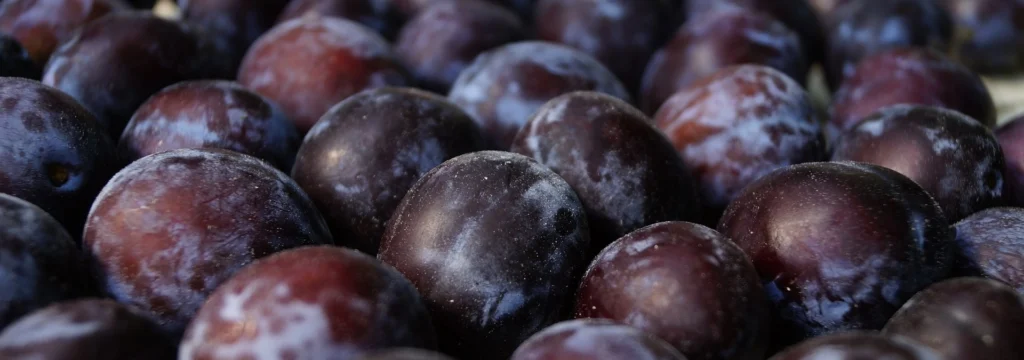
Plums are among the most popular fruits of the summer and autumn seasons. Their sweet-tart flavor and versatility in the kitchen make them highly versatile. They are not only tasty but also healthy. In this text we will examine the origin, the different varieties, health benefits, tips for purchase and storage, as well as uses of plums.
Origin and History
Plums have a long history and are among the oldest cultivated fruits of humanity. Their origins likely lie in Asia, specifically in the area of present-day China. From there they spread via the Silk Road to Europe and other parts of the world. The Romans played a major role in spreading the plum in Europe. They valued the fruit both for its flavor and for its culinary versatility.
Today plums are cultivated worldwide in many climate zones, primarily in temperate regions. Major growing areas in Europe include, among others, France, Italy, Germany and Spain. The plant is also cultivated in North and South America as well as Australia.
Varietal Diversity
Plums are incredibly diverse and there are numerous varieties that differ in color, flavor and size. The two main groups are European plums (Prunus domestica) and Japanese plums (Prunus salicina). Within these groups there are further subspecies and cultivars.
1. European plums
- Prune plums: Prune plums are a particularly popular subspecies of plum, characterized by their elongated shape and dark blue to purple color. They are less juicy than other plums and have a firmer, sweet-tart flavor, which makes them ideal for baking— for example in plum cake.
- Mirabelles: These small, round fruits have a yellow to orange skin and are particularly sweet. They are often used for jams, jellies and desserts.
- Greengages: Greengages are round and have a greenish or yellowish color. Their flavor is particularly sweet and aromatic. Greengages are well suited for fresh consumption or as an ingredient in salads and desserts.
2. Japanese plums
- Japanese plums are generally larger and juicier than their European relatives. They have a smooth, glossy skin that ranges from red to dark purple. The flavor is sweeter and they have a softer texture. Japanese plums are often eaten fresh or used for juices and compote.
Health Benefits
Plums are not only tasty but also very healthy. They are rich in vitamins, minerals and dietary fiber. Here are some of the health benefits:
1. Rich in antioxidants: They contain many antioxidants, particularly polyphenols, which help protect the body from free radicals. Free radicals are unstable molecules that can damage cells and promote aging processes as well as diseases such as cancer.
2. Good for digestion: Plums, especially dried plums (also known as prunes), are known for their positive effect on digestion. They are high in fiber, which stimulates bowel movements and can help prevent constipation. They also contain sorbitol, a natural sugar alcohol that also supports digestion.
3. Strengthening the immune system: Thanks to their high vitamin C content, they can strengthen the immune system. Vitamin C is an important antioxidant that supports the body’s defenses and promotes the production of white blood cells necessary to fight infections.
4. Promoting heart health: Plums contain potassium, which helps regulate blood pressure. A balanced potassium level can help reduce the risk of heart disease by stabilizing blood pressure and reducing the strain on the heart.
5. Supporting bone health: Studies have shown that regular consumption can help maintain bone density and reduce the risk of osteoporosis. This may be due to nutrients they contain, such as vitamin K and manganese, which are important for bone health.
Tips for buying and storing plums
Plums are available fresh from summer into autumn. To select the best fruit, pay attention to the following points:
1. Check ripeness: Plums should give slightly when pressed gently but should not be too soft. Ripe plums have a vivid color that varies by variety from deep blue to bright yellow. Avoid fruit with spots or cracks, as these can spoil quickly.
2. Storage: Plums should be stored at room temperature until fully ripe. Once ripe, they can be kept in the refrigerator to extend freshness. In the refrigerator they will keep for about a week.
3. Freezing: Plums also freeze well. Wash the plums, pit them and cut them in halves or quarters. Place the pieces on a baking sheet and freeze them. Once frozen, transfer them to freezer bags. This way they will keep for several months and can later be used for smoothies, cakes or compote.
Uses of plums
Plums are very versatile in the kitchen. Here are some ideas for how you can use the fruit:
1. Fresh eating: An ideal snack between meals: simply wash and enjoy! They are also excellent as an accompaniment to muesli, yogurt, or salads.
2. Baking: Prune plums are the classic ingredient in plum cake or plum strudel. They can also be used in muffins, tarts, or plum clafoutis.
3. Jam and compote: Plums are excellent for making jam or compote. Canning plums is a great way to preserve the fruit for winter and capture the taste of summer.
4. Sauces and chutneys: Plums can also be prepared savory, for example as plum sauces or chutneys, which pair well with meat dishes such as duck, roast pork, or game.
5. Beverages: The fruit can also be processed into beverages, such as plum juice, smoothies, or cocktails. Plum wine, also known as Umeshu, is a popular specialty in Japan.
Conclusion
Plums are a wonderful seasonal fruit that stand out not only for their flavor but also for their health benefits. From the variety of cultivars and the many possible uses to the positive effects on health — the plum is a fruit that should not be missing from any menu in summer and autumn. Take advantage of the season to enjoy fresh plums and enrich your kitchen with this tasty, nutrient-rich fruit.