
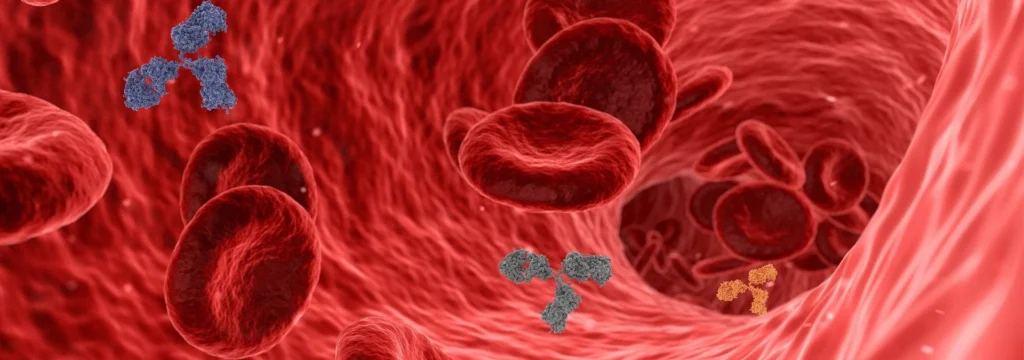
The immune system is a vital defense system of our body that protects us from pathogens such as viruses, bacteria and parasites. A strong immune system is therefore crucial for our health and well-being. Fortunately, there are many ways to strengthen the immune system and thereby reduce the likelihood of illness. In this article we will discuss in detail how you can support your immune system naturally.
1. Understand your immune system
Before we look at ways to strengthen the immune system, it is important to better understand the immune system itself. The immune system consists of a complex network of organs, cells and proteins that work together to recognize and combat pathogens.
The main actors of the immune system are white blood cells, also called leukocytes. There are two main types of leukocytes: phagocytes, which engulf pathogens, and lymphocytes, which act specifically against pathogens. Lymphocytes can be divided into B cells and T cells, each performing different roles in immune defense.
The immune system is able to recognize pathogens that enter the body and initiate an immune response to combat them. A strong immune response results in the body destroying pathogens and developing immunity against those agents.
2. A balanced diet
One of the most important measures to strengthen the immune system is a balanced diet. Our diet significantly influences the function of our immune system. Here are some tips on how to adjust your diet to support your immune system:
- Eat a variety of fruits and vegetables: These foods contain vitamins, minerals and antioxidants that strengthen the immune system. In particular, vitamin C (in citrus fruits, bell peppers and broccoli) and vitamin A (in carrots and sweet potatoes) are important for immune function.
- Incorporate healthy fats: Omega-3 fatty acids, found in fish, flaxseed and walnuts, have anti-inflammatory properties and can support the immune system.
- Protein-rich foods: Protein is important for building and repairing tissue, including the immune system. Lean meats, fish, legumes and nuts are good sources of protein.
- Probiotic foods: Yogurt, sauerkraut and kefir contain probiotic bacteria that promote gut health and can thus strengthen the immune system.
- Drink enough water: Adequate fluid intake is important for the normal function of the immune system and helps remove toxins from the body.
- Avoid excessive consumption of sugar and junk food: Excessive sugar can impair immune function and promote inflammation.
3. Adequate Sleep
Sleep is an essential component of a healthy lifestyle and plays an important role in strengthening the immune system. During sleep the body recovers and performs repairs on tissues. A lack of sleep can weaken the immune system and increase susceptibility to infections. Here are some tips for better sleep:
- Consistent sleep–wake schedule: Try to go to bed and wake up at set times, including on weekends.
- Create a relaxing sleep environment: Darken the room, reduce noise and keep the bedroom temperature comfortable.
- Avoid electronic devices before bedtime: The blue light emitted by screens can disrupt sleep.
- Limit caffeine and alcohol before bedtime: These substances can impair sleep.
4. Stress Management
Chronic stress can significantly weaken the immune system. When the body is under stress, it releases hormones that affect immune function. It is important to develop healthy coping strategies to reduce stress. Here are some approaches:
- Meditation and relaxation techniques: These methods can help reduce stress and strengthen the immune system.
- Regular physical activity: Exercise can help reduce stress and promote the release of endorphins that enhance well-being.
- Time for hobbies and social activities: Activities that bring enjoyment can reduce stress and strengthen the immune system.
- Mindfulness and self-care: Attend to your needs and make time to recover.
5. Exercise and Physical Activity
Regular physical activity is another important factor in strengthening the immune system. Exercise can improve circulation, enhance lung function and stimulate the release of endorphins that increase well-being. Here are some tips for integrating movement into your daily routine:
- Find an activity you enjoy: It is easier to be active regularly when you enjoy the movement. This can be hiking, cycling, dancing or even gardening.
- Set realistic goals: Start slowly and gradually increase the intensity and duration of your activities.
- Exercise outdoors: Spending time outside can not only support your physical health but also reduce stress and improve mood.
- Vary your activities: Try to include different types of exercises in your weekly plan to work different muscle groups and avoid boredom.
6. Hygiene and Infection Prevention
Good hygiene and protection against infections are fundamental measures to support the immune system. Here are some key points:
- Handwashing: Wash your hands regularly with soap and water, especially before eating and after contact with potentially infectious surfaces.
- Vaccinations: Get vaccinated according to your physician’s recommendations to be immunized against specific diseases.
- Avoid close contact with sick people: If you know someone in your vicinity is ill, try to avoid close contact.
- Respiratory hygiene: Cover your mouth and nose when coughing or sneezing to prevent the spread of germs.
- Cleaning and disinfection: Clean surfaces regularly at home and in the workplace to prevent the spread of pathogens.
7. Smoking Cessation and Reducing Alcohol Consumption
Smoking and excessive alcohol consumption can significantly weaken the immune system. Smoking damages the lungs and increases the risk of respiratory infections, while alcohol can impair immune function. If you smoke, you should seriously consider quitting, and consume alcohol in moderation.
8. Dietary Supplements
In some cases, dietary supplements can help strengthen the immune system, especially when nutritional deficiencies are present. Here are some supplements that can be considered:
- Vitamin C: This vitamin can support the immune system and is found in many fruits and vegetables. If a deficiency exists, supplementation may be appropriate.
- Vitamin D: A vitamin D deficiency has been associated with increased susceptibility to infections. Discuss with your physician whether you need vitamin D supplements.
- Zinc: Zinc is important for the normal function of the immune system. A balanced diet should provide sufficient zinc, but in some cases supplementation may be necessary.
- Probiotics: If you have issues with your gut health, probiotics can be helpful in consultation with your doctor.
However, it is important to note that dietary supplements are not miracle cures and should not be used to compensate for an unbalanced diet. In most cases it is best to obtain all necessary nutrients from a balanced diet.
9. Ensure adequate hydration
The importance of adequate fluid intake has already been mentioned, but it deserves a separate note. Water is critical for many physiological processes in the body, including supporting the immune system. It helps flush toxins from the body and maintain organ function. Make sure you drink enough water to stay hydrated.
10. Regular health check-ups
Finally, it is important to have regular health check-ups with your doctor. Your physician can help detect potential health problems early and take appropriate measures to support your immune system. This can include vaccinations, blood tests and other diagnostic procedures.
Conclusion
A strong immune system is key to good health and an active lifestyle. Through a balanced diet, sufficient sleep, stress management, exercise and other healthy habits you can strengthen your immune system and improve your defenses against pathogens. Remember that strengthening the immune system is a long-term process and requires patience. Always consult your doctor with questions or concerns to determine the best measures for your individual needs.