
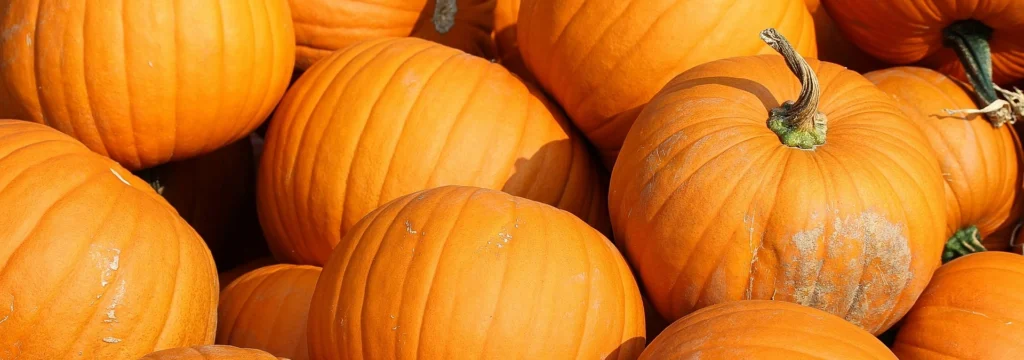
Pumpkins are among the most distinctive and versatile foods that autumn has to offer. With their warm, earthy colors and their rich, sweet flavor, pumpkins are equally popular in the kitchen and in decoration. Yet the world of pumpkins is far more multifaceted than it may appear at first glance. In this article we dive deep into this fascinating world, exploring their diversity, cultivation, nutrition and numerous culinary applications.
The diversity of pumpkins
Pumpkins belong to the gourd family (Cucurbitaceae) and are closely related to cucumbers, melons and zucchinis. Within this large plant family there is an astonishing variety of pumpkin cultivars that differ markedly in size, shape, color and flavor. Here are some of the best-known pumpkin varieties:
1. Hokkaido pumpkin (Cucurbita maxima)
The Hokkaido pumpkin, also known as Red Kuri or Japanese pumpkin, is small to medium-sized and has a bright orange skin. It is characterized by a sweet, nutty aroma and is excellent for soups, purées and baked goods. A particular feature is that its skin is edible.
2. Butternut squash (Cucurbita moschata)
The butternut squash has an elongated, pear-shaped form and a smooth, cream-colored skin. Its flesh is orange and has a buttery consistency, which gives it its name. The flavor is mild and sweet, making it ideal for soups and casseroles.
3. Muscat pumpkin (Cucurbita moschata)
The muscat pumpkin is another variety from the moschata family and is distinguished by its ribbed, gray-green skin. Its flesh is orange and has a pronounced nutmeg-like aroma, which is used in many autumnal dishes, from pumpkin pie to pumpkin cake.
4. Spaghetti squash (Cucurbita pepo)
The spaghetti squash is a rather unusual member of the pumpkin family. Its flesh transforms during cooking into long, fibrous strands that resemble spaghetti. Due to this texture it serves as a gluten-free alternative to pasta and can be paired with various sauces.
5. Giant pumpkin (Cucurbita maxima)
This pumpkin variety is known for reaching immense sizes. Competitions for the largest pumpkin are a popular tradition in some regions. While giant pumpkins are often grown for decorative purposes, their flesh can also be used for pumpkin soups and purées.
6. Zucker-Kürbis (Cucurbita pepo var. pepo)
Sugar pumpkins are small, sweet pumpkins that are ideal for making pumpkin purée and pumpkin pie. They are also known as baking pumpkins and have an orange rind and delicious, tender flesh.
7. Decorative pumpkins (Cucurbita pepo var. ovifera)
These small pumpkins are available in a variety of colours and shapes and are often used to decorate autumn festivals and Thanksgiving celebrations. Although edible, they are less popular in cooking due to their relatively hard rind and mild flavour.
8. Halloween pumpkins (Jack-o‘-Lanterns)
Halloween pumpkins are typically large, round pumpkins with an orange rind. They are well known for their use as lanterns, where the flesh is removed and the interior is carved with a spooky face. The hollowed-out flesh can be processed into soups, purées or baked goods.
Pumpkin cultivation
Pumpkins are relatively easy to grow and can thrive in many different climates. Here are some basic steps for successful cultivation:
1. Site selection
Choose a sunny site for your pumpkin patch, as pumpkins need plenty of sunlight to develop. The soil should be well-draining and rich in organic matter.
2. Seed selection
There is a wide range of pumpkin seeds available on the market. Select varieties that match your culinary preferences and the climatic conditions of your location.
3. Planting
Sow the pumpkin seeds in spring, once the risk of frost has passed. Plant seeds about 2.5 to 5 centimetres deep and maintain a spacing of about 90 centimetres between plants.
4. Watering and care
Keep the soil evenly moist but avoid waterlogging. Pumpkins require a lot of water, especially during the growth phase. Remove weeds regularly and fertilise the plants as needed.
5. Harvest time
Harvest time varies by variety but is generally 75 to 120 days after sowing. Harvest pumpkins when the rind is firm and heavy and the stem is dry.
Nutrition and health benefits
Pumpkins are not only delicious but also healthy. They are rich in essential nutrients and therefore offer a variety of health benefits:
1. Nutrient density
Pumpkins are an excellent source of vitamins and minerals. They contain particularly high levels of vitamin A, vitamin C, vitamin E and various B vitamins. They are also rich in minerals such as potassium, magnesium and iron.
2. Antioxidants
They contain a range of antioxidants, including beta-carotene, which gives them their orange color. Antioxidants counteract free radicals in the body and can help prevent chronic diseases.
3. Dietary fiber
Pumpkins are a good source of dietary fiber, which promotes digestion and helps stabilize blood sugar levels. Fiber can also increase satiety and thus assist with weight management.
4. Healthy skin
The high vitamin A content is beneficial for skin health. Vitamin A supports the formation of healthy skin cells and can counteract skin issues such as acne.
5. Vision
The lutein and zeaxanthin they contain are essential for maintaining vision and can therefore reduce the risk of age-related eye diseases.
6. Weight management
Pumpkins are low in calories and high in fiber, making them an excellent choice for people who want to control their weight.
Culinary uses
The culinary versatility of pumpkins is impressive. They can be used in countless ways in the kitchen, in both savory and sweet dishes. Here are some popular preparations:
1. Pumpkin soup
Pumpkin soup is an autumn classic that conveys warmth and comfort. It can be refined with various spices, such as cinnamon, nutmeg or ginger. Creamy versions are often prepared with cream or coconut milk.
2. Pumpkin casserole
Pumpkin casseroles are savory and filling. They can be combined with other vegetables, meats, or vegetarian proteins. A layer of cheese or breadcrumbs often forms the crust.
3. Pumpkin noodles
Using a spiralizer, you can turn spaghetti squashes into noodle-like strands and serve them with your preferred pasta sauce. A low-carbohydrate alternative to conventional pasta.
4. Pumpkin cakes and baked goods
Pumpkin cake, pumpkin muffins, and pumpkin bread are popular autumn treats. Pumpkin purée gives these baked goods a moist texture and a delightful flavor.
5. Pumpkin risotto
Pumpkin risotto is a creamy, aromatic variant of the Italian classic. The addition of pumpkin purée gives it a rich color and a distinctive flavor.
6. Roasted pumpkin
Simply cut into cubes, drizzled with oil and seasonings, and roasted in the oven, pumpkin makes a tasty side dish or snack. Roasting intensifies the flavor and highlights the pumpkin’s natural sweetness.
7. Pumpkin seeds
The seeds inside the pumpkin can be roasted and salted to make a crunchy snack. They are rich in protein, fiber, and healthy fats.
8. Pumpkin beverages
Pumpkin spices such as cinnamon, nutmeg, and cloves are common ingredients in autumnal beverages. Pumpkin-spice lattes and pumpkin chocolate are just a few examples.
Conclusion: The magic of pumpkins
Pumpkins are not only a symbol of autumn but also a tasty and nutrient-rich addition to our diet. Their versatility in the kitchen is notable, and their health benefits make them a recommended ingredient in a balanced diet. Whether you enjoy them in soups, casseroles, baked goods, or beverages, pumpkins add an autumnal note to every dish and bring the warmth and coziness of the season into your kitchen. So head to the market, pick up a few pumpkins, and let your creativity in the kitchen run free. The world of pumpkins is rich and diverse, and there are still many flavor adventures to discover.